
Over the past few years, the impact of global warming and awareness about it has increased significantly. Many people are raising concerns about the rising world temperature and are looking for alternatives to traditional systems. Solar-powered HVAC systems are an innovative and great alternative to our homes’ regular heating or cooling systems.
However, these HVAC systems powered by solar come with both pros and cons. This guide will discuss the details of these advantages and their following disadvantages.
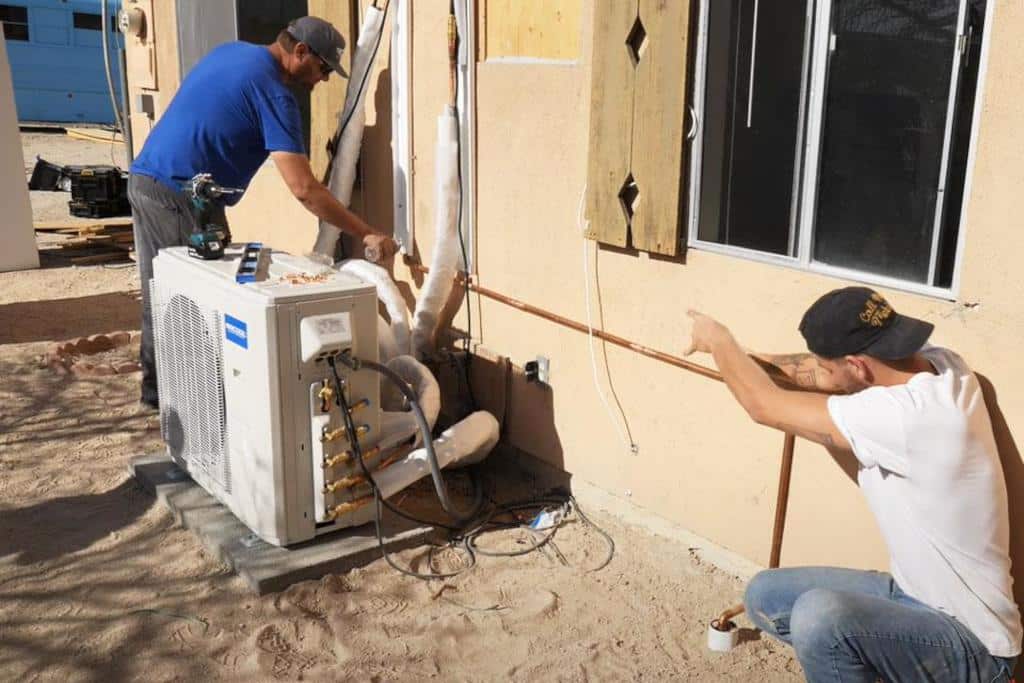
Pros of Solar-Powered HVAC Systems
Solar-powered HVAC systems are an innovative air conditioning and heating technology that has emerged recently. Below are several advantages of utilizing solar-powered air conditioners and heating systems.
Energy Efficiency
Solar-powered heating and cooling systems offer the advantage of being energy-efficient. These systems harness solar energy derived from the sun, which is a renewable and globally abundant source of free energy.
The components and technology utilized in solar-powered HVAC systems are specifically designed for optimal energy utilization. Sensors allow the system to regulate and adapt its temperature accurately. This advanced technology guarantees that no energy is wasted, thus ensuring high energy efficiency.
Lower Energy Bills
Solar energy is a valuable resource for running air conditioning or heating systems. By harnessing energy from the sun’s rays, solar panels connected to HVAC systems can generate electricity.
This means that homeowners can avoid dependence on expensive electricity or gas from the main grid. Additionally, using solar-powered HVAC systems allows homeowners to save substantial amounts on their energy bills since solar energy is accessible at no cost.

Less Maintenance
Solar-powered heating or cooling systems offer the added benefit of requiring minimal maintenance. Unlike traditional HVAC models that have numerous parts and components, solar-powered systems have fewer moving parts, reducing the risk of damage or wear. Consequently, these systems only necessitate a yearly or biannual cleaning to maintain optimum performance.
If you’re not technically savvy, then you can always call upon reliable HVAC experts and maintenance team inspections. They will inspect, clean, and perform maintenance of all the system’s parts for you.
Environmentally Friendly
Solar-powered HVAC systems function by harnessing energy derived entirely from the sun, which is abundant, cost-efficient, and environmentally responsible.
Unlike energy production from fossil fuels or non-renewable sources, which results in the release of greenhouse gases and other detrimental emissions, solar energy generation has zero contribution to the presence of these gases in the environment. Consequently, this leads to a significant reduction in carbon footprint, promoting healthier and more sustainable surroundings and encouraging individuals to embrace a greener lifestyle.
Long Lifespan & Reliability
Solar panels and HVAC systems boast a lengthy operational lifetime, sparing homeowners the need for frequent replacements. On average, solar panels have a lifespan of 25 years or greater. Correspondingly, components such as HVAC systems, inverters, and battery storage tend to endure for approximately 5 to 10 years.
Furthermore, solar-powered HVAC systems boast exceptional reliability. Independent of the grid, they remain unaffected by blackouts or brownouts. This makes them particularly advantageous in regions plagued by frequent power outages.
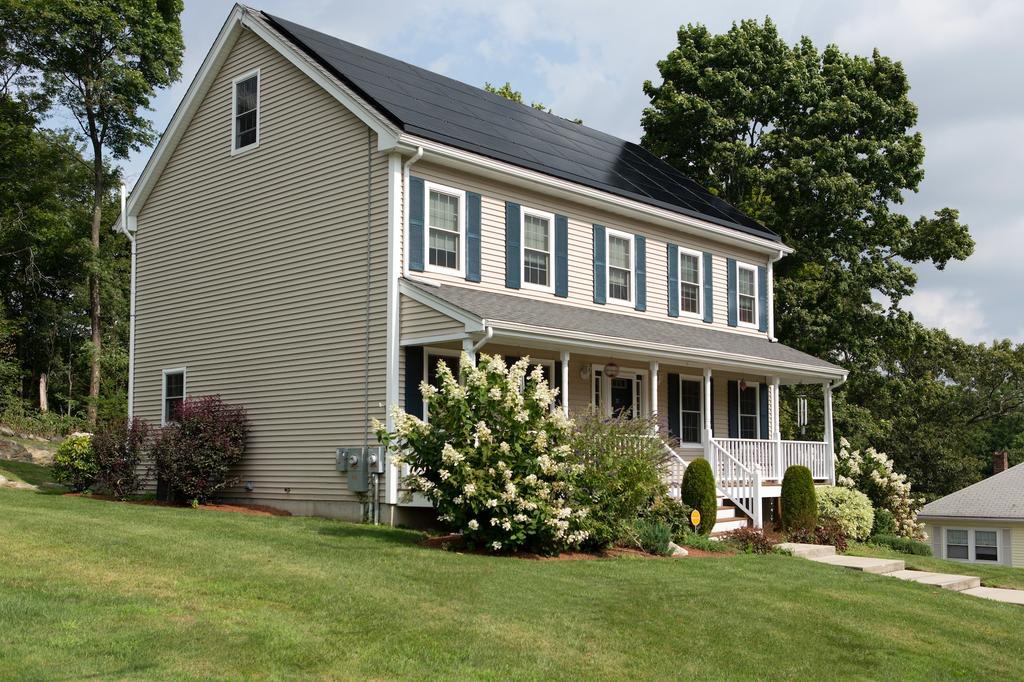
Cons of Solar-Powered HVAC Systems
Even though solar-powered HVAC systems have several advantages, they also have a few disadvantages. These are the potential downsides of using solar-powered heating and cooling systems.
High Upfront Cost
The sun provides free energy to the entire world, reducing the cost of generating electricity. Nevertheless, the upfront expense of installing solar-powered HVAC systems is substantial. These systems entail various components, such as solar panels, inverters, and battery storage, each requiring significant investment for setup and installation.
However, the long-term benefits outweigh the initial costs, as solar-powered HVAC systems can significantly reduce energy bills over time. When considering switching to solar, it is essential to consult with professionals specializing in HVAC services in your area. They can assess your needs and recommend the most suitable system for your property.
Weather Dependent
Solar panels harness energy from the sun’s rays to produce electricity, which then powers the HVAC systems. Consequently, the amount of energy generated relies heavily on sunlight availability. During sunny summer days, ample sunlight boosts electricity production, enabling the generation of large quantities of power.
In contrast, the presence of clouds and rain decreases energy production as sunlight becomes less accessible. Consequently, the system’s efficiency is reduced, and reliance on grid energy is heightened, thereby increasing the costs associated with HVAC operation.
Space Requirements
A major drawback of depending on a solar-powered HVAC system is the substantial space it necessitates. To adequately cool or heat a whole house, a considerable quantity of solar panels is essential, which in turn demands a significant amount of roof or yard area. Furthermore, homeowners often need to install supplementary panels to generate sufficient electricity due to the diminishing efficiency of the panels over time.
Fulfilling the space requirement for solar panels and associated components can be particularly challenging for homeowners with limited space availability. Moreover, incorporating extra panels will amplify the initial expenditure.
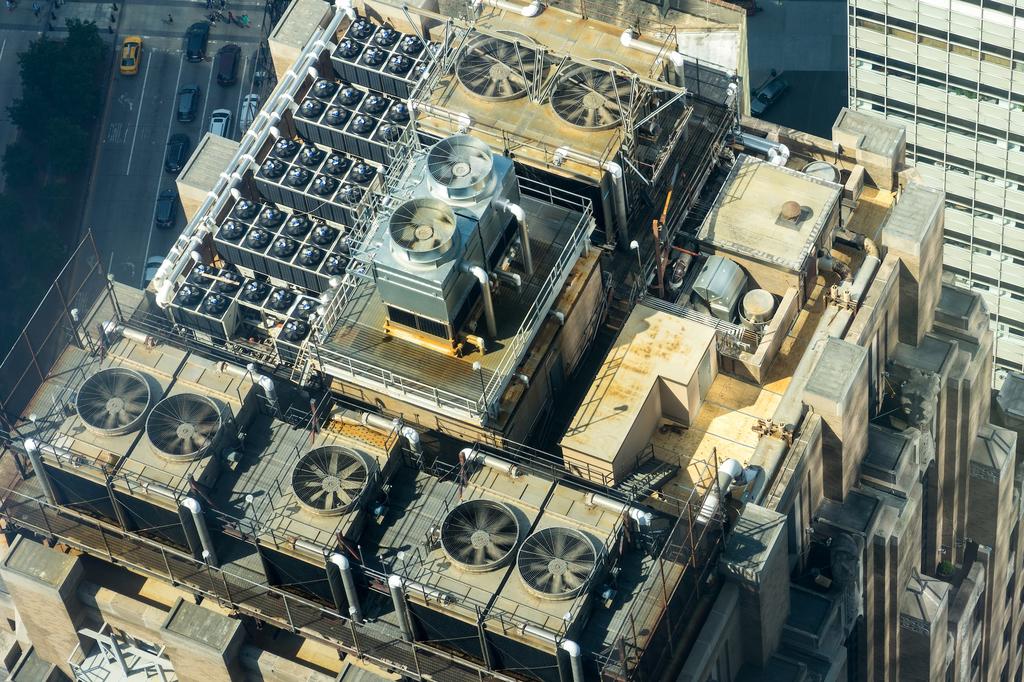
Conclusion
Solar power is bringing major changes to the world of heating and cooling systems. With solar-powered HVAC systems, homeowners can now enjoy a comfortable and relaxing environment in their homes without worrying about high energy costs. In addition, these systems also contribute towards minimizing carbon footprint, thus aiding in mitigating the effects of climate change and global warming. Nonetheless, it is crucial to carefully weigh the drawbacks of solar-powered air conditioning and heating before installing them. It is prudent to consult with local HVAC experts to determine whether it is suitable for your residence.


