
In an era where environmental consciousness is at its peak, businesses are increasingly turning towards sustainable practices to minimize their ecological footprint. One often overlooked aspect of sustainability is the roofing of commercial buildings. Sustainable business roofing not only contributes to environmental conservation but also offers long-term economic benefits. This article will delve into the top nine things you should know about sustainable business roofing.
Choosing the Right Partner
Choosing the right roofing company is paramount when transitioning to sustainable business roofing. Collaborating with experienced commercial roofers specializing in sustainable practices ensures seamless integration of eco-friendly roofing solutions. Whether you are looking for commercial roofing in Middlefield, Ohio, or any other city, these professionals possess the expertise to assess your specific business needs, recommend suitable sustainable materials, and execute the installation with precision.
Look for roofing companies with a track record in implementing green roofing technologies, such as cool roofs or solar integration. Additionally, inquire about their commitment to using recycled or environmentally friendly materials, as well as their adherence to local regulations and certifications.
A reputable commercial roofing company will not only provide top-notch craftsmanship but also guide you through the entire process, from material selection to maintenance. Investing in a knowledgeable roofing partner ensures that your business achieves both its sustainability goals and the durability required for a long-lasting, environmentally conscious roofing solution.
Material Matters: Choose Wisely for Longevity
In the pursuit of a sustainable business roof, the critical decision of selecting appropriate materials takes center stage. Conventional roofing materials like asphalt, while widely used, pose significant environmental challenges. The production of asphalt is energy-intensive, and the disposal of old asphalt contributes to landfill waste.
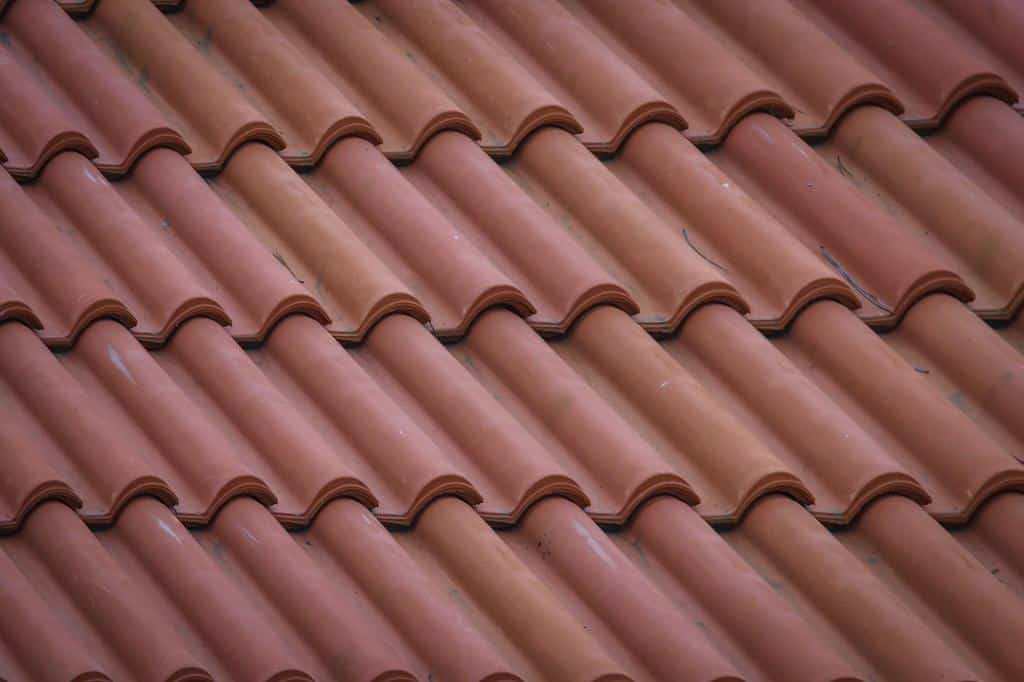
To mitigate environmental impacts, businesses are urged to explore eco-friendly alternatives. Metal roofing emerges as a compelling option, boasting not only durability but also recyclability, thereby minimizing its overall environmental footprint.
Cool roofs, constructed from reflective materials, play a pivotal role in energy efficiency by deflecting sunlight and absorbing less heat, thus reducing the need for excessive cooling. Green roofs, adorned with a lush layer of vegetation, serve as a harmonious blend of aesthetics and sustainability.
Beyond their visual appeal, green roofs provide natural insulation, curtail stormwater runoff, and foster biodiversity, making them a comprehensive choice for businesses committed to long-term environmental responsibility.
Energy Efficiency: Embrace Cool Roofs
Cool roofs, as mentioned earlier, play a crucial role in enhancing a building’s energy efficiency. By reflecting sunlight and absorbing less heat, they help maintain lower temperatures within the building. This results in reduced reliance on air conditioning, leading to lower energy consumption. Lower energy consumption not only benefits the environment but also translates to cost savings for businesses in the long run.
Solar Integration: Harvesting the Power of the Sun
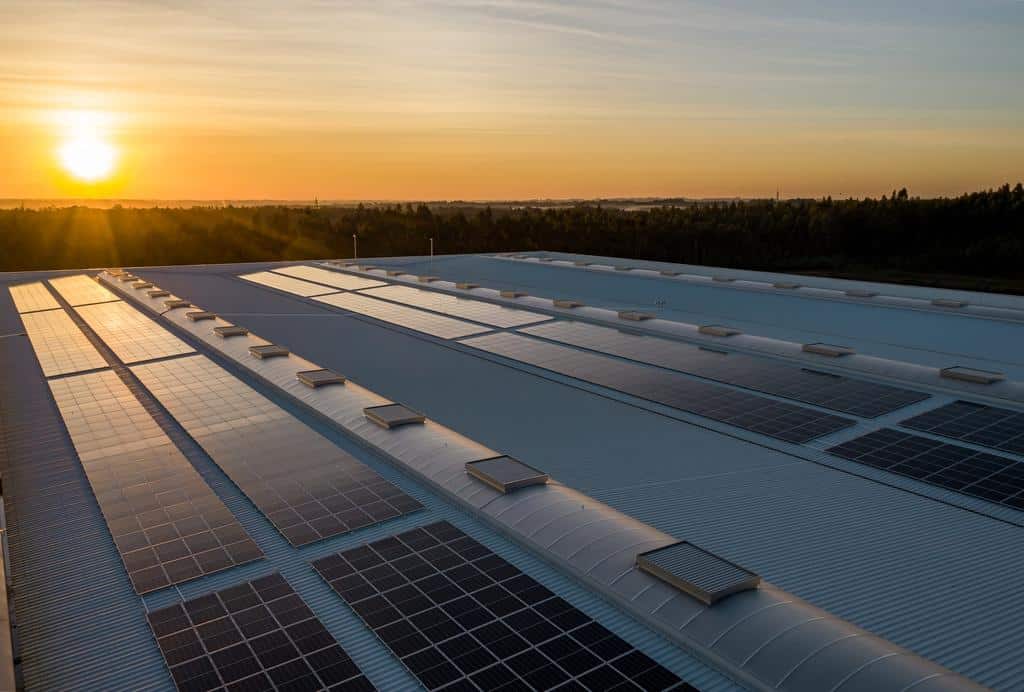
Harnessing solar power through solar panels integrated into the roofing system is a game-changer for sustainable businesses. Solar roofing generates clean energy and reduces dependency on conventional power sources. Advances in solar technology have made these systems more efficient and cost-effective, making them a viable option for businesses looking to adopt sustainable practices. Moreover, some regions offer incentives and tax credits for businesses investing in solar energy, making it a financially appealing option.
Life Cycle Analysis: Consider the Long-Term Impact
When evaluating roofing options, it’s essential to consider the entire life cycle of the materials. Sustainable roofing materials may have a higher upfront cost, but they often prove to be more cost-effective in the long run. Conducting a life cycle analysis helps businesses assess the environmental impact, energy consumption, and overall sustainability of the roofing materials over time. This holistic approach ensures that businesses make informed decisions that align with their environmental goals and financial considerations.
Stormwater Management: Environmental Impact
One often overlooked aspect of sustainable roofing is its role in stormwater management. Green roofs, in particular, absorb rainwater, reducing the strain on drainage systems and minimizing the risk of flooding. This not only benefits the local environment but also contributes to the overall sustainability of the business. Proper stormwater management is a crucial component of sustainable roofing that should not be underestimated.

Insulation: A Key Player in Energy Efficiency
Effective insulation is a cornerstone of sustainable roofing. Proper insulation reduces the need for excessive heating or cooling, leading to lower energy consumption. Sustainable insulation materials, such as recycled content insulation or spray foam, offer excellent thermal performance while minimizing environmental impact. By investing in quality insulation, businesses can create a more energy-efficient and comfortable indoor environment for employees while contributing to their sustainability goals.
Maintenance and Durability: Investing in the Future
Sustainable roofing goes hand in hand with durability and low maintenance. Opting for high-quality materials that withstand the test of time reduces the frequency of repairs and replacements, minimizing waste and environmental impact. Regular maintenance is still essential, but sustainable roofing options often require less frequent attention, translating to cost savings for businesses in the long term. Prioritizing durability ensures that the roof remains an asset for the business while upholding its commitment to environmental responsibility.
Local Regulations and Certifications
Understanding local regulations and certifications related to sustainable roofing is crucial. Some regions offer incentives or tax breaks for businesses adopting green roofing practices. Additionally, certifications such as LEED (Leadership in Energy and Environmental Design) provide a standardized way to assess the sustainability of a building. Ensuring compliance with these regulations and obtaining relevant certifications not only showcases a commitment to sustainability but can also lead to financial benefits for the business.
Financial Considerations: Cost and Sustainability
While the upfront costs of sustainable roofing options may seem higher, businesses need to consider the long-term financial benefits. Energy savings, reduced maintenance costs, and potential incentives can offset the initial investment. It’s essential to view sustainable roofing as a strategic financial decision that aligns with the company’s overall goals and values. Conducting a thorough cost-benefit analysis and exploring financing options can help businesses make informed decisions that are not only environmentally responsible but also economically viable.

The Crucial Role of Sustainable Business Roofing
In conclusion, sustainable business roofing is a multifaceted concept that encompasses material choices, energy efficiency, solar integration, life cycle analysis, stormwater management, insulation, maintenance, local regulations, and financial considerations. By prioritizing sustainability in roofing decisions, businesses can contribute to a greener future while enjoying long-term economic benefits. As the world continues to prioritize environmental responsibility, sustainable roofing emerges as a crucial aspect of building design and maintenance for businesses aiming to thrive in a more sustainable and resilient future.


