
As climate change grows more concerning, transitions and changes are necessary to have a clean and green future for generations to come. Now, the UK’s most significant pension fund called the National Employment Savings Trust (Nest) scheme consisting of nine million members, has decided to divest from fossil fuels. Climate activists hailed the plan as a landmark move for the industry.
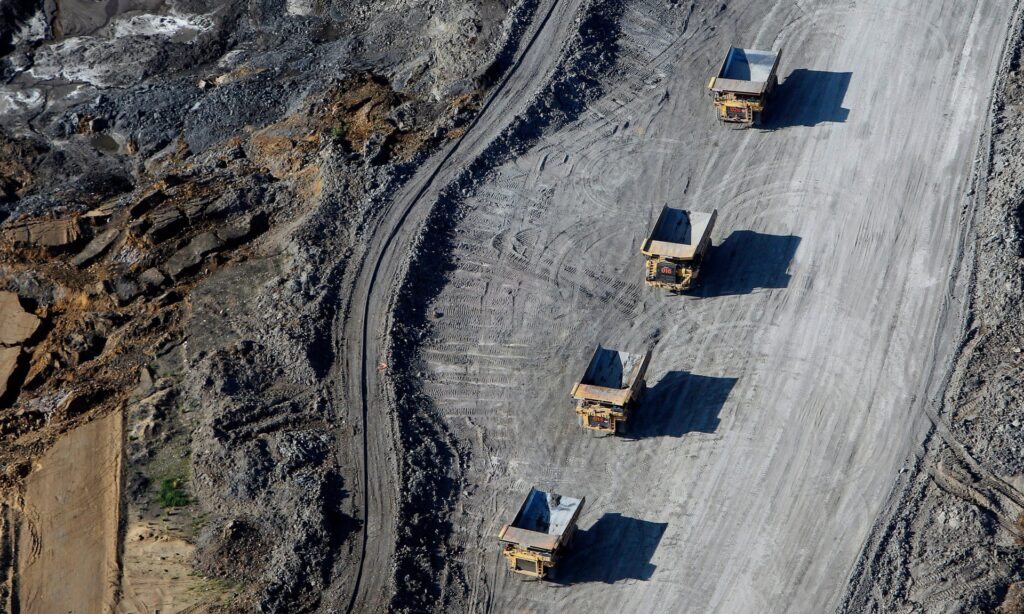
The government-backed fund will ban investments in any companies that are involved in arctic drilling, coal mining, and oil extraction from tar sands. This means, the world’s biggest mining companies, including BHP, cannot be part of Nest’s shareholdings, at least not while they profit from digging coal.
Nest handles the majority of the pensions of employees who are saving under the government’s “auto-enrolment” program. It has decided to move £5.5 billion into “climate aware” investments, as it foresees a green economic recovery from coronavirus. Additionally, the fund will reduce its carbon-intensive holdings, while increasing investments in renewable energy infrastructure.
Mark Fawcett, Nest’s chief investment officer, said:
Just like coronavirus, climate change poses serious risks to both our savers and their investments. It has the potential to cause catastrophic damage and completely disrupt our way of life. No one wants to save throughout their life to retire into a world devastated by climate change. As the world’s economy slowly recovers from coronavirus, we want to ensure this recovery is a green one. We have a unique opportunity to support sustainable growth and transition towards a low-carbon economy.
Nest isn’t describing its new policy as a ‘full divestment’ scheme, because it remains interested in oil companies that are switching from carbon-based fuels to green energy and renewable technology. Instead, the fund plans to challenge the companies to push for stricter targets.
Lauren Peacock, of ShareAction, said:
We hope it will encourage other pension schemes to up their ambition. Nest is setting clear expectations for those most responsible for the climate emergency and demonstrating the power of pensions to move them along a more sustainable path.
When Nest conducted an opinion poll of pension savers, 65% of them believed their pension should be invested to reduce the impact of climate change, while only 4% strongly disagreed.


