
When it comes to exploring the wonders of the natural world, there are few things as fascinating and awe-inspiring as medicinal mushrooms. These fungi are not only visually captivating, with their intricate shapes and vivid colors, but they also offer a myriad of health benefits that have been known and utilized for centuries.
In recent years, the popularity of medicinal mushrooms has soared as people seek natural alternatives for supporting their well-being. These remarkable organisms are rich in bioactive compounds that work synergistically to promote overall health and vitality. From immune-modulating properties to antioxidant activity and potential cognitive enhancement, medicinal mushrooms offer a host of advantages for those seeking a holistic approach to wellness.
In this article, we will unravel the captivating world of medicinal mushrooms and delve into the science-backed benefits they provide. We will explore how these fascinating fungi have the power to enhance our immune system, combat oxidative stress, support brain health, and even show potential in the fight against cancer.
So, get ready to embark on a journey through the enchanting realm of medicinal mushrooms. We will introduce you to some of the most beloved species, their unique properties, and how they can contribute to your overall health and well-being. Whether you are new to the world of mycology or already an enthusiast, this article aims to provide you with valuable insights and practical knowledge to harness the potential of these extraordinary fungi. Join us as we uncover the secrets and potential benefits that medicinal mushrooms hold for humanity’s quest for optimal health.
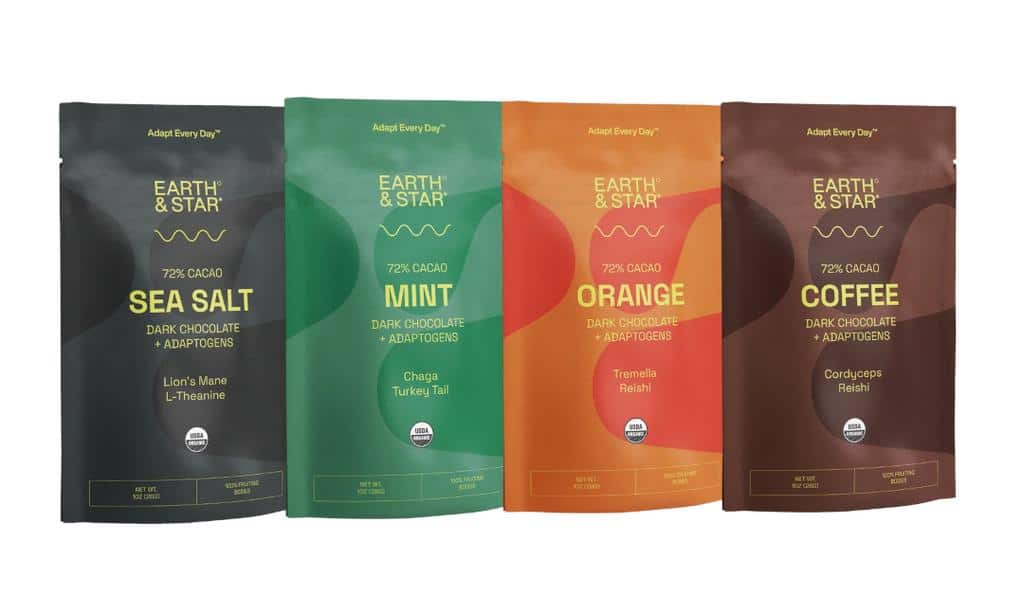
I. Immune-Modulating Properties of Medicinal Mushrooms
When it comes to bolstering our immune system, medicinal mushrooms have long been revered for their immune-modulating properties. Mushrooms such as Reishi, Shiitake, and Turkey Tail contain an array of bioactive compounds, including polysaccharides and beta-glucans, that have been found to play a crucial role in supporting immune function.
Polysaccharides, found abundantly in medicinal mushrooms, have shown remarkable effects on immune cells. They can help regulate and modulate various aspects of our immune response, enhancing the body’s ability to defend against infections and diseases. These compounds stimulate the production of immune cells and enhance their activity, leading to a bolstered immune system.
Beta-glucans, another key component found in medicinal mushrooms, have been extensively studied for their immune-enhancing effects. These complex carbohydrates have the ability to activate immune cells and promote their communication, ultimately improving the body’s immune response. By modulating the immune system, medicinal mushrooms can contribute to maintaining a balanced immune function, helping to prevent immune deficiencies and autoimmune conditions.

II. Antioxidant Activity of Medicinal Mushrooms
In today’s world, our bodies are constantly exposed to oxidative stress due to factors such as pollution, stress, and poor dietary choices. This oxidative stress can lead to cellular damage, inflammation, and an increased risk of chronic diseases. Thankfully, medicinal mushrooms offer a powerful solution with their antioxidant activity.
Compounds like triterpenoids and phenols found in medicinal mushrooms act as potent antioxidants, helping to neutralize harmful free radicals and protect our cells from damage. These bioactive compounds work together to scavenge free radicals, reducing oxidative stress and promoting cellular health.
By combating oxidative stress, medicinal mushrooms can also have remarkable anti-aging effects. The accumulation of oxidative damage over time contributes to the aging process, and the antioxidant activity of medicinal mushrooms helps mitigate this damage, promoting a more youthful appearance and healthier cellular function.
Moreover, the antioxidant properties of medicinal mushrooms extend beyond superficial benefits. By reducing inflammation and cellular damage, they support the overall health of various organ systems, including the cardiovascular and nervous systems. This antioxidant activity contributes to the prevention of chronic diseases such as heart disease, neurodegenerative disorders, and certain types of cancer.
The immune-modulating properties and antioxidant activity of medicinal mushrooms provide a compelling case for incorporating them into our daily lives. By bolstering our immune system and protecting against oxidative stress, these fungi can play a vital role in maintaining our health and well-being. In the following sections, we will explore the additional benefits of medicinal mushrooms, including their potential for enhancing brain health and their promising anti-cancer properties.

III. Medicinal Mushrooms and Brain Health
In addition to their immune-modulating and antioxidant properties, medicinal mushrooms have shown great promise in supporting brain health. One particular mushroom that stands out in this regard is Lion’s Mane (Hericium erinaceus). With its distinctive appearance resembling a lion’s mane, this mushroom contains a unique combination of bioactive compounds that can have profound effects on cognitive function.
Lion’s Mane is rich in compounds known as erinacines and hericenones, which have been found to stimulate the production of nerve growth factors in the brain. Nerve growth factors are essential for the growth, survival, and maintenance of neurons, and their production declines with age. By promoting the synthesis of these factors, Lion’s Mane supports the growth and regeneration of neurons, which can have a positive impact on cognitive function and overall brain health.
Multiple studies have shown promising results regarding the cognitive-enhancing effects of Lion’s Mane. It has been linked to improved memory and focus, increased mental clarity, and enhanced overall cognitive performance. These benefits make Lion’s Mane a popular choice for those looking to boost their brain health and combat age-related cognitive decline.
Beyond Lion’s Mane, other medicinal mushrooms, such as Reishi and Cordyceps, also have neuroprotective properties. They have been found to possess anti-inflammatory and antioxidant effects that contribute to overall brain health and protection against neurodegenerative diseases.
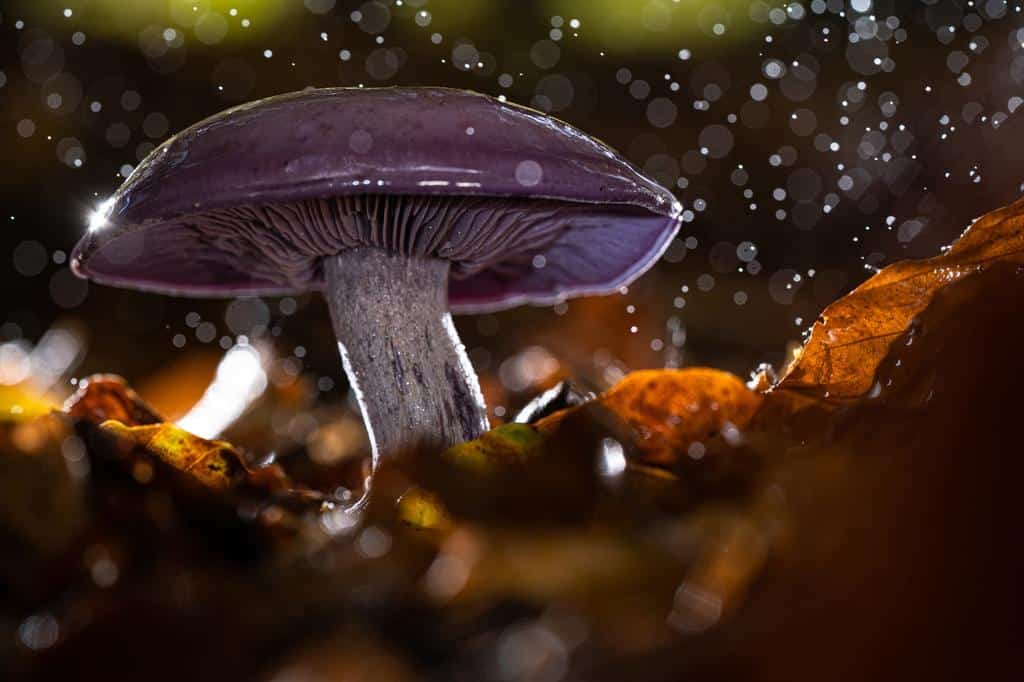
IV. Medicinal Mushrooms and Potential Anti-Cancer Properties
While the research on the anti-cancer properties of medicinal mushrooms is still evolving, the preliminary findings are highly promising. Compounds found in mushrooms, including polysaccharides, triterpenes, and lectins, have exhibited anti-cancer activities and have shown potential in inhibiting tumor growth, promoting apoptosis (programmed cell death) in cancer cells, and suppressing the formation of new blood vessels that support tumor growth.
Studies have highlighted the potential of medicinal mushrooms in various types of cancer, including breast, colon, lung, and liver cancer. For example, polysaccharides derived from mushrooms such as Reishi, Shiitake, and Turkey Tail have demonstrated anti-cancer effects by enhancing immune function and modulating the tumor microenvironment.
While medicinal mushrooms are not a standalone treatment for cancer, they show promise as complementary therapies. They can aid in strengthening the immune system, reducing inflammation, and supporting overall well-being during cancer treatment. However, it is crucial to consult with healthcare professionals and incorporate medicinal mushrooms into a comprehensive cancer treatment plan.
As the research on medicinal mushrooms and their anti-cancer properties continues to expand, it is becoming increasingly clear that these fungi hold immense potential in the fight against cancer. Further studies and clinical trials are needed to fully understand the mechanisms behind their anti-cancer effects and to determine their optimal use as part of integrative cancer care.

V. A Few Different Types of Medicinal Mushrooms
In the realm of natural health and wellness, few things captivate our curiosity and intrigue quite like medicinal mushrooms. These extraordinary fungi have been treasured for centuries across various traditions and cultures for their remarkable health benefits.
In this section, we will delve into the benefits of a few medicinal mushrooms and explore a few of the most renowned varieties. From the “Mushroom of Immortality” known as Reishi, to the cognitive-enhancing Lion’s Mane and the immune-boosting Turkey Tail, each mushroom will unveil its unique properties and potential contributions to our overall well-being. Join us as we embark on a journey through the enchanting realm of these extraordinary fungi.
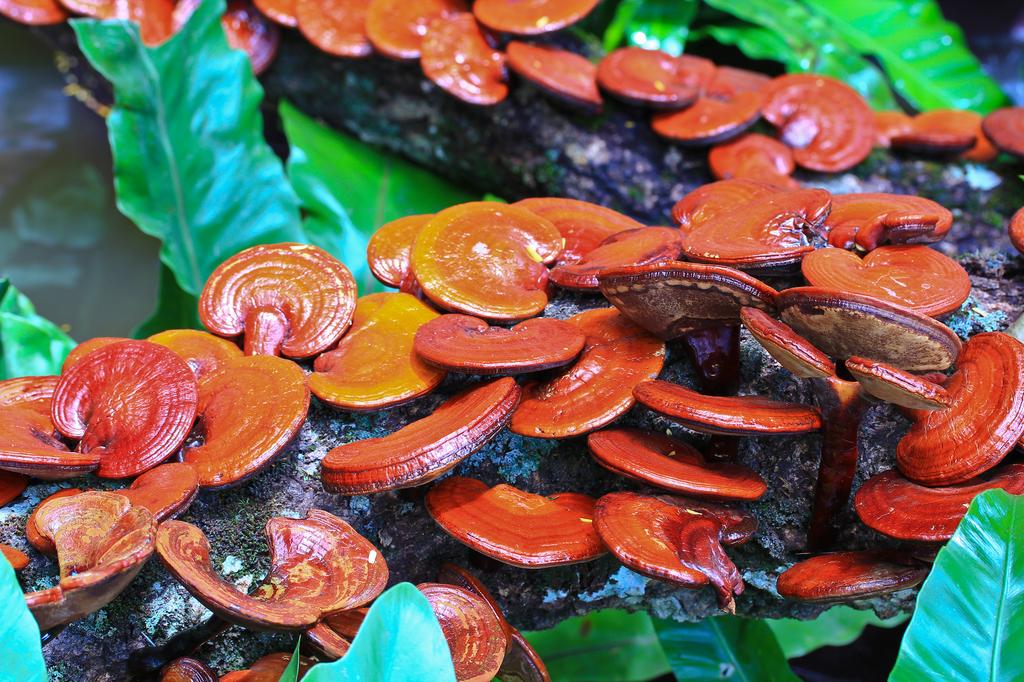
1. Reishi (Ganoderma lucidum):
Reishi, also known as the “Mushroom of Immortality” in traditional Chinese medicine, holds a special place among medicinal mushrooms. With its impressive array of bioactive compounds, including triterpenes and polysaccharides, Reishi is revered for its immune-modulating and anti-inflammatory properties. This mushroom has been used for centuries to support immune function, reduce stress, and promote overall well-being.
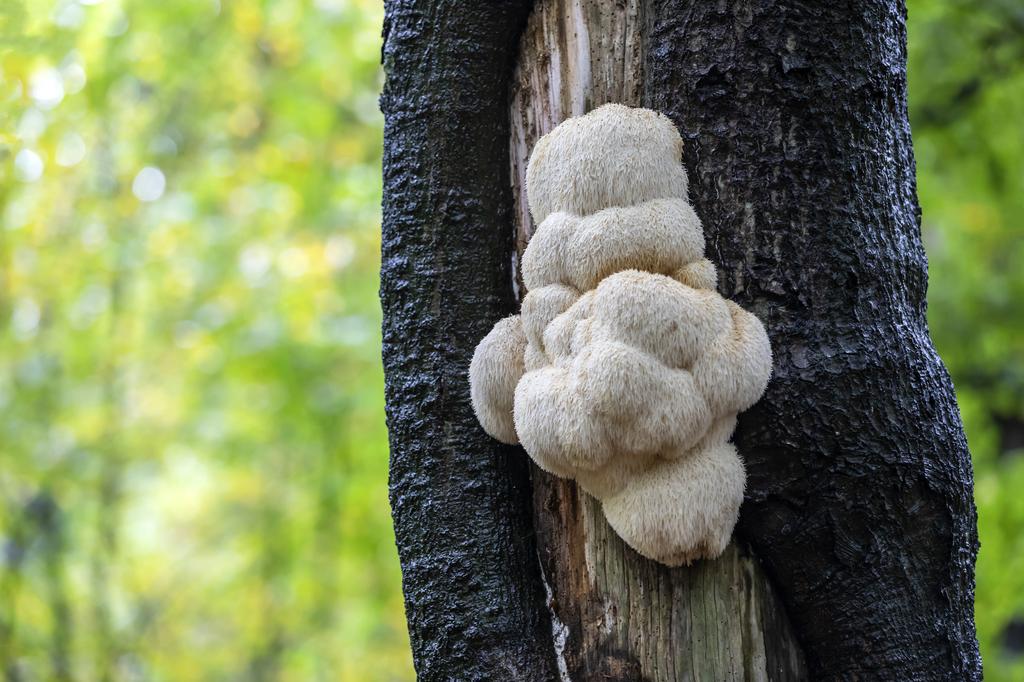
2. Lion’s Mane (Hericium erinaceus):
Lion’s Mane is easily recognizable by its distinct appearance, resembling a lion’s mane. Beyond its appealing looks, Lion’s Mane offers potential cognitive-enhancing properties. The mushroom contains compounds known as erinacines and hericenones, which have been found to stimulate the production of nerve growth factors. These factors play a crucial role in promoting the growth and maintenance of neurons, supporting memory, focus, and overall brain health.
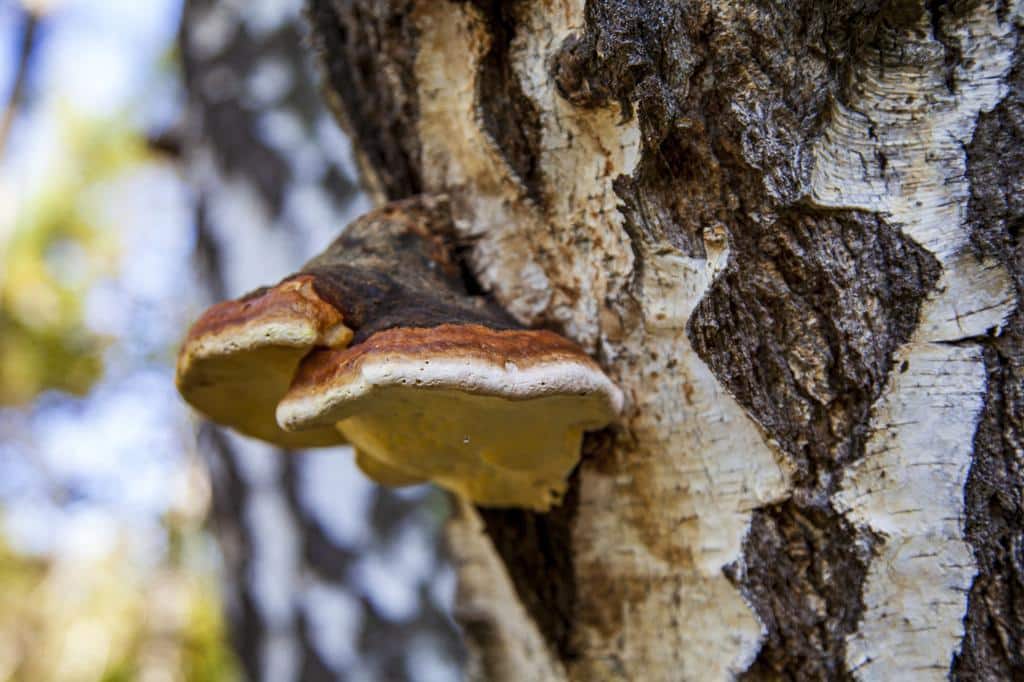
3. Chaga (Inonotus obliquus):
Growing on birch trees and often resembling a dark, charred mass, Chaga is notable for its high concentration of antioxidants, such as melanin and polyphenols. These antioxidants help combat oxidative stress and protect the body from cellular damage. Additionally, Chaga is considered an adaptogen, meaning it helps the body adapt to stress, supports immune function, reduces inflammation, and promotes overall well-being.

4. Cordyceps (Ophiocordyceps sinensis):
Renowned in traditional Chinese medicine, Cordyceps is a parasitic mushroom that grows on the larvae of insects. It contains a unique compound called cordycepin, which exhibits anti-inflammatory and potential anti-cancer properties. Cordyceps is often used to increase energy and endurance, improve athletic performance, and support respiratory health.
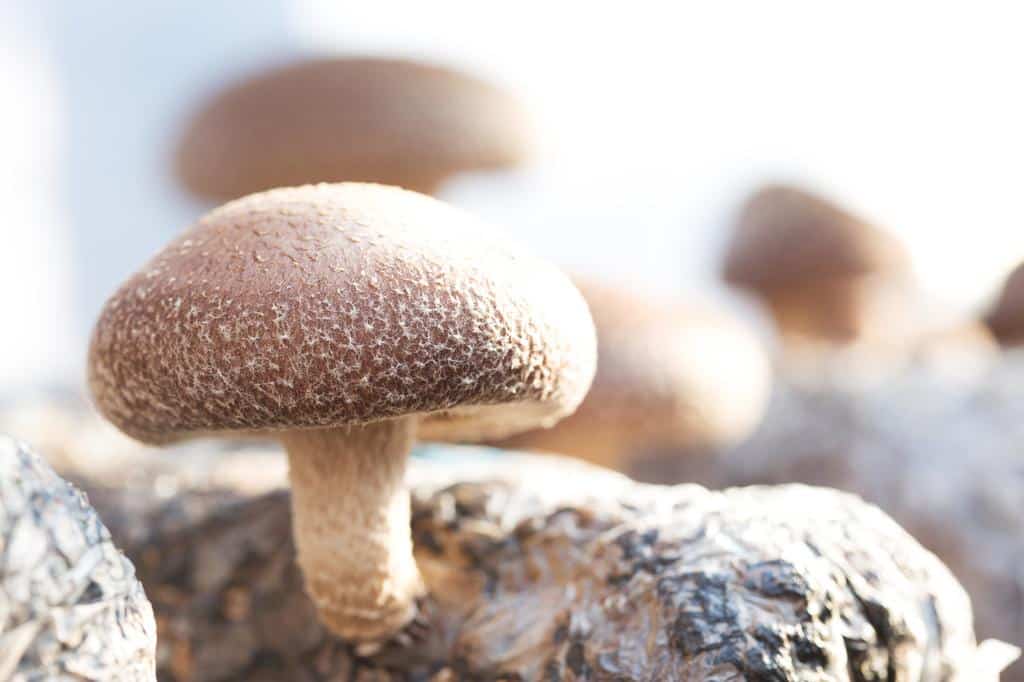
5. Shiitake (Lentinula edodes):
Shiitake mushrooms are not only a culinary delight but also possess remarkable health benefits. They are rich in beta-glucans and other bioactive compounds that have immune-boosting properties. Shiitake mushrooms have shown potential in reducing cholesterol levels, promoting cardiovascular health, and supporting the immune system.
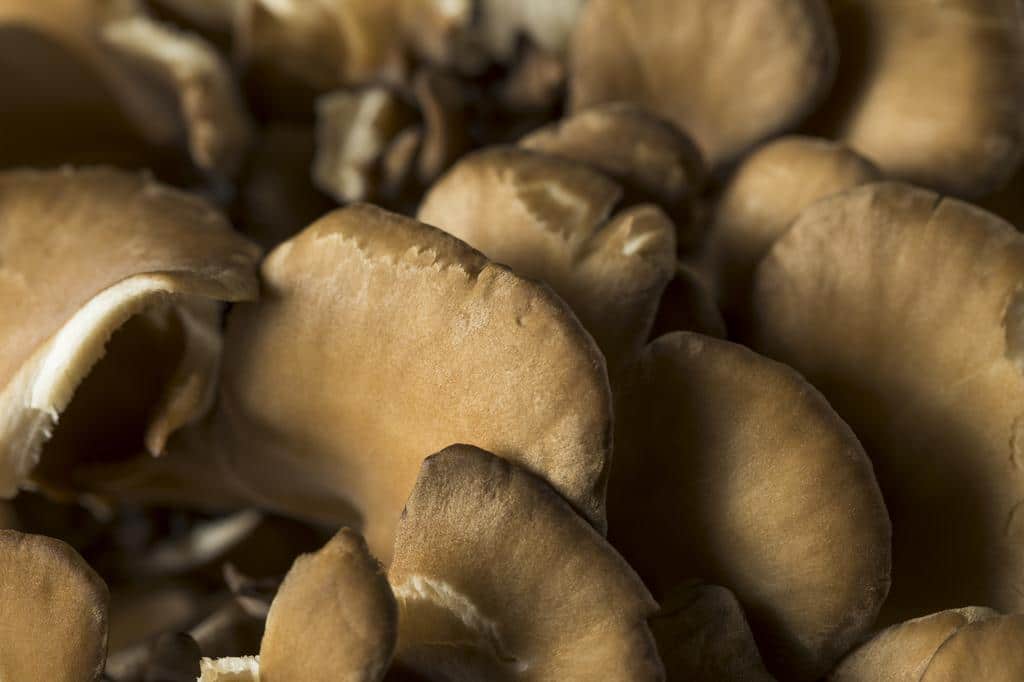
6. Maitake (Grifola frondosa):
Maitake mushrooms, with their frond-like appearance, have been valued in traditional medicine for centuries. These mushrooms have immune-modulating properties and the ability to regulate blood sugar levels. Maitake is often used to support healthy weight management, overall well-being, and immune function.

7. Turkey Tail (Trametes versicolor):
Named for its resemblance to the colorful tail feathers of a turkey, Turkey Tail is well-regarded for its immune-enhancing properties. It contains polysaccharides and beta-glucans that play a crucial role in modulating the immune system. Turkey Tail is often utilized as an adjunct therapy for cancer treatment due to its potential immune-boosting effects.
These are just a few examples of the remarkable variety of medicinal mushrooms. Each mushroom possesses its unique set of compounds and health benefits. Incorporating these mushrooms into our diets and wellness routines can provide a natural and holistic approach to boost our immune system, support brain health, and potentially aid in the prevention and treatment of various ailments.
VI. Methods of Administering Medicinal Mushrooms
Now that we have learned about the incredible benefits of medicinal mushrooms, it’s important to understand the various methods through which we can reap their rewards. These fungi are available in different forms, ranging from powders and capsules to tinctures and teas. Each method offers unique advantages and considerations, allowing us to choose the most suitable approach to incorporate medicinal mushrooms into our wellness routine. Let’s explore the different methods of administering medicinal mushrooms and find the one that best suits our needs.
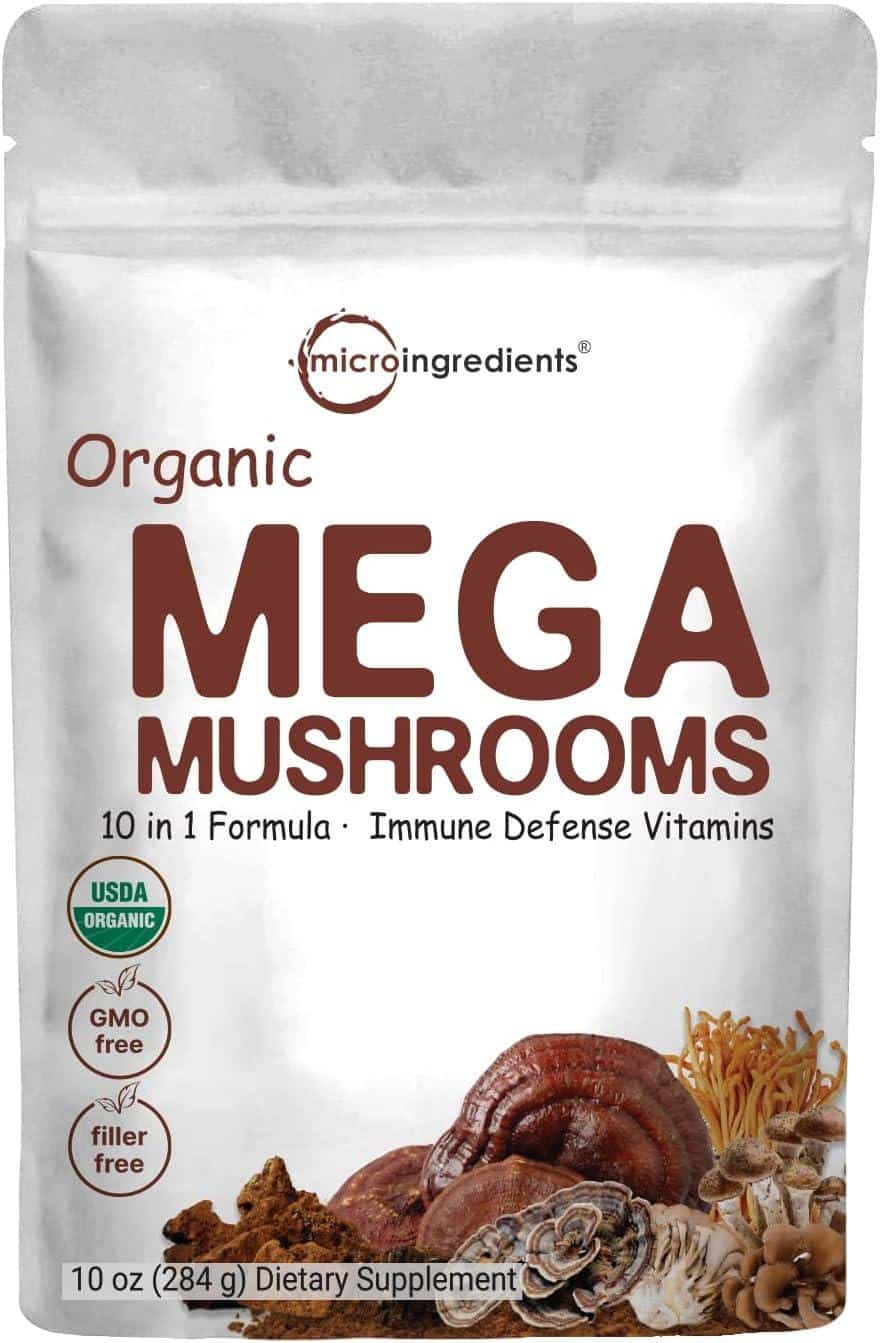
1. Powdered Form:
Powdered medicinal mushrooms are a popular choice due to their versatility and ease of use. The mushrooms are dried and ground into a fine powder, which can be easily added to various foods and beverages. This form allows for convenient and flexible dosing, as you can control the amount of powder to suit your preferences. You can sprinkle the powder onto smoothies, soups, and salads or even incorporate it into baking recipes. The powder form is an excellent option for those who prefer to incorporate medicinal mushrooms into their daily diet seamlessly.
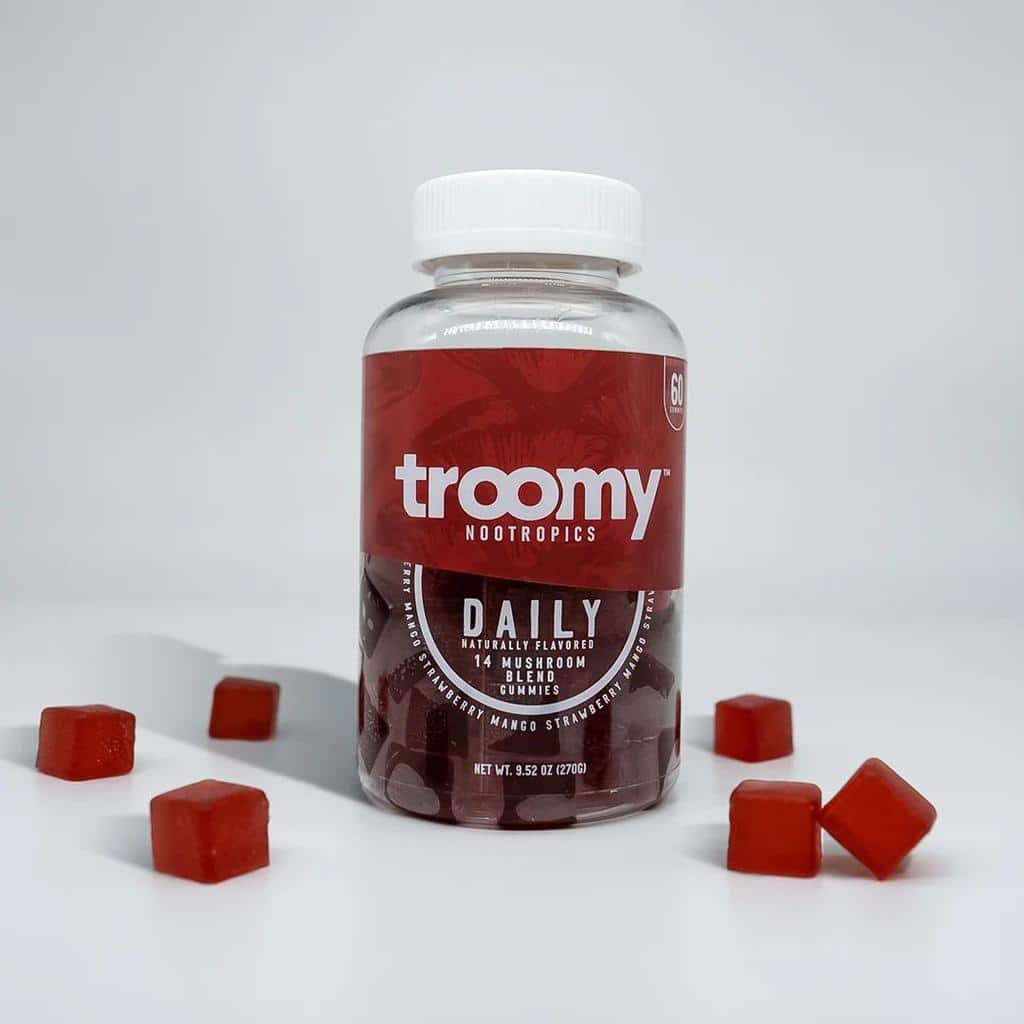
2. Capsules, Gummies, and Tablets:
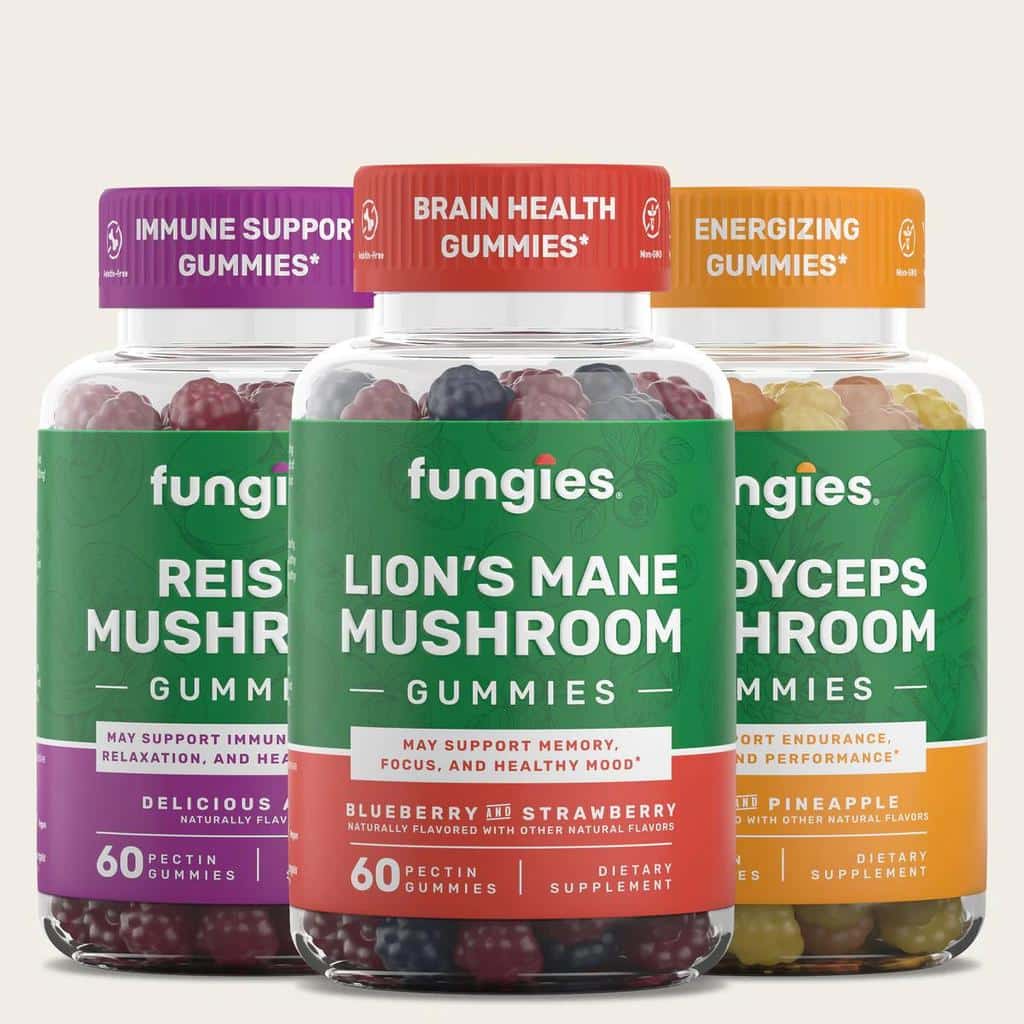
For those seeking a more straightforward and convenient method of consumption, capsules, gummies, and tablets are convenient options. Medicinal mushroom extracts are encapsulated or compressed into pills or tablets, or produced into magic mushroom gummies, providing a consistent and measured dosage. Mushroom capsules, gummies, and tablets are particularly beneficial for individuals on the go or who prefer a hassle-free approach to taking their supplements. They can be easily incorporated into a daily supplement routine, just like any other dietary supplement.

3. Tinctures:
Tinctures are liquid extracts that offer a concentrated and potent form of medicinal mushrooms. They are typically made by soaking the mushrooms in alcohol or another solvent to extract the bioactive compounds. Tinctures often have a high concentration of medicinal mushroom compounds, allowing for a more potent effect. Tinctures can be conveniently added to beverages, such as water or tea, and offer a quick and efficient way to consume medicinal mushrooms.
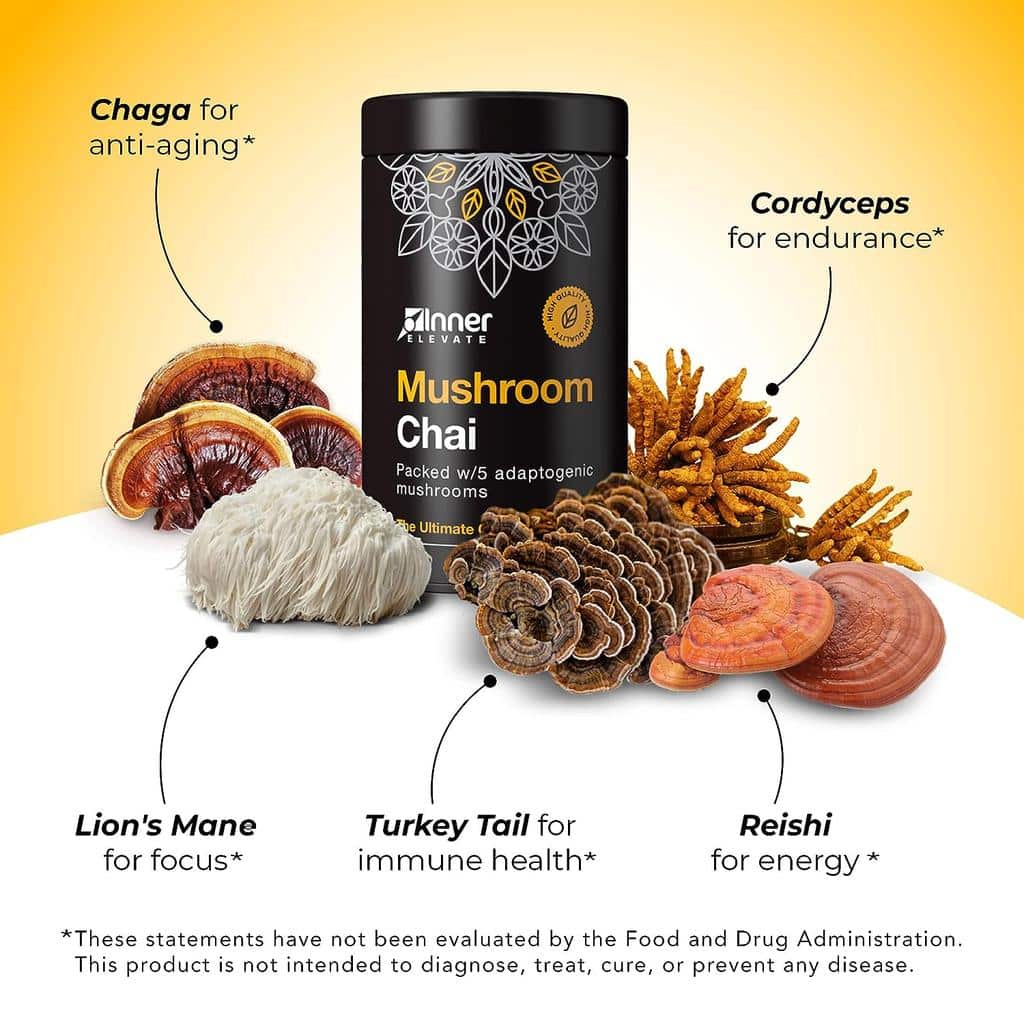
4. Teas and Infusions:
Medicinal mushroom teas and infusions have been enjoyed for centuries, providing a warm and comforting way to experience the benefits of these fungi. Dried mushrooms or powdered extracts can be steeped in hot water to create a flavorful and therapeutic beverage. By allowing the mushrooms to infuse in hot water, you extract their bioactive compounds and enjoy a soothing drink that supports your well-being. Mushroom teas can be enjoyed on their own or blended with other herbs for a more complex flavor profile.
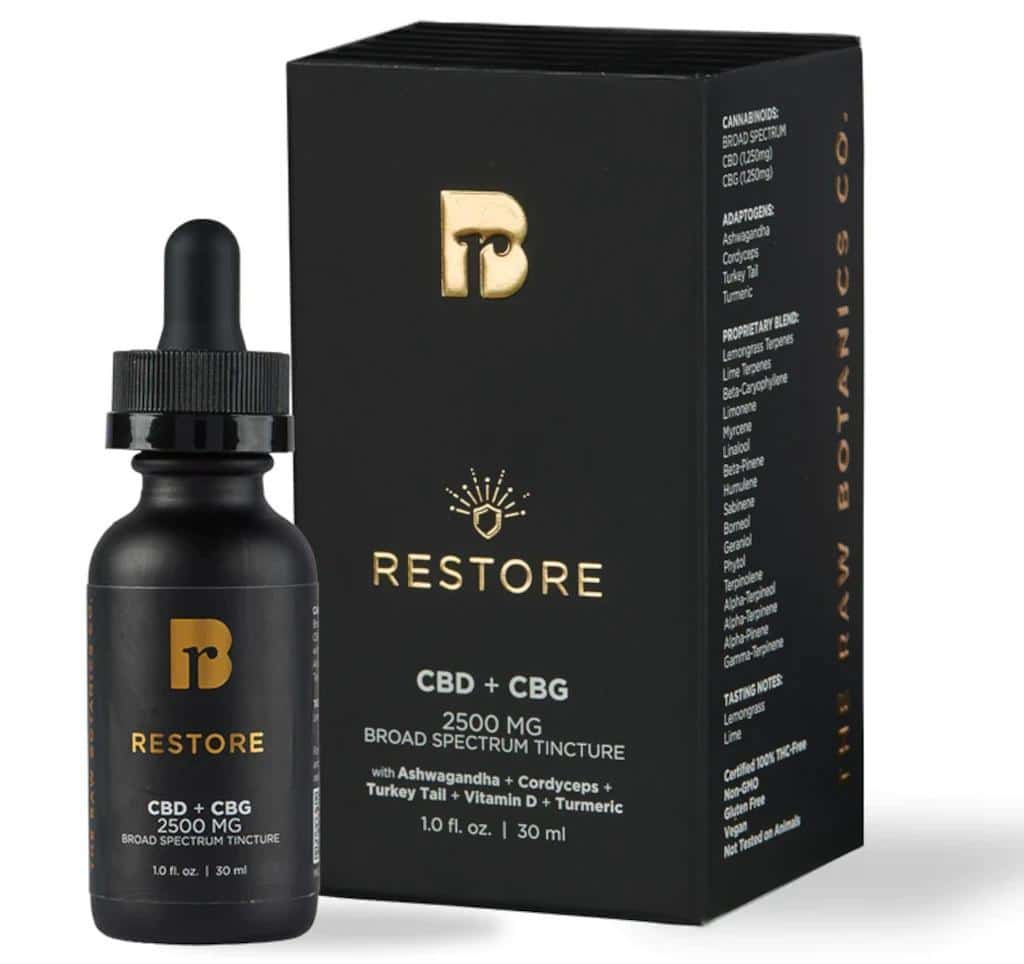
5. Extracts and Elixirs:
Medicinal mushroom extracts and elixirs are concentrated forms of the mushroom’s bioactive compounds. These liquid preparations often go through a rigorous extraction process to isolate and concentrate specific compounds. Extracts and elixirs offer a potent and targeted approach to experiencing the benefits of medicinal mushrooms. They can be taken directly or added to beverages or recipes, giving you the ability to customize your dosage and incorporate them into your daily routine.
Conclusion
By exploring different methods of administering medicinal mushrooms, such as powders, capsules, tinctures, teas, and extracts, we can find the most suitable approach that aligns with our preferences and lifestyle. Whether we prefer the versatility of powdered forms, the convenience of capsules, the potency of tinctures, the comfort of teas, or the targeted effects of extracts, each method provides an avenue to experience the incredible benefits of these fungi.
As we embark on this journey to incorporate medicinal mushrooms into our wellness routine, it is important to experiment and find our preferred method. We have the opportunity to customize our dosage and seamlessly integrate medicinal mushrooms into our daily lives. Whether it’s adding a powdered extract to our morning smoothie, taking a capsule with our daily supplements, or enjoying a soothing mushroom tea in the evening, the choice is in our hands.
With every sip, every bite, or every swallow, we tap into the power of nature and unleash the potential of medicinal mushrooms to support our overall health and well-being. Let us embrace the versatility and vast options available to us, and allow medicinal mushrooms to guide us on a journey of improved vitality and wellness.
So, venture forth with an open mind and a willingness to explore. Find the method that resonates with you, and let medicinal mushrooms be your allies in the pursuit of optimal health. Elevate your well-being, and harness the power of these extraordinary fungi to support a vibrant and fulfilling life.
Disclosure: This post contains affiliate links, which means we may receive a commission if you click a link and purchase something that we have recommended. While clicking these links won’t cost you any extra money, they will help us keep this site up and running! Thank you for your support.


