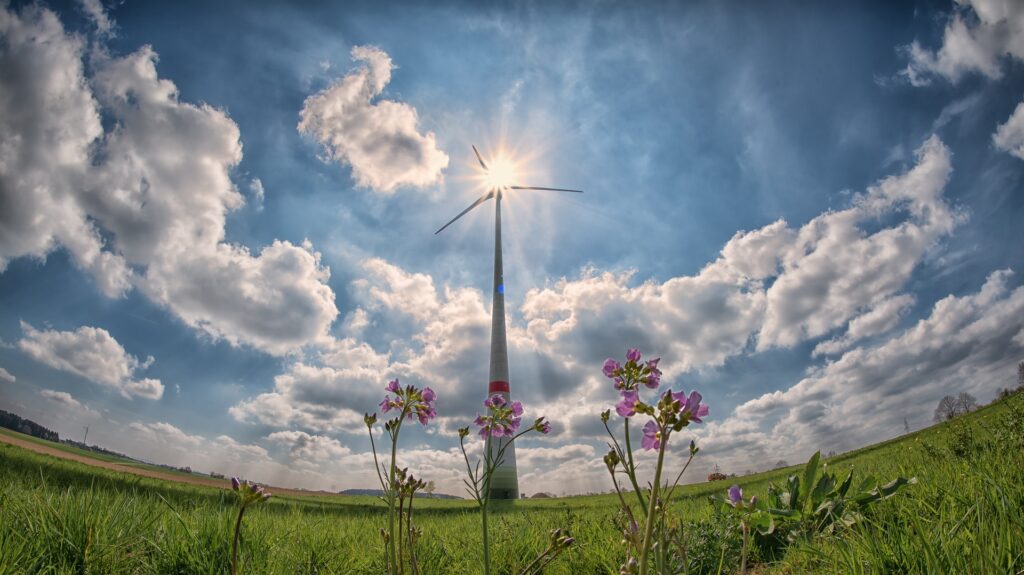
As the use of wind and solar energy grows, coal consumption is declining. In 2019 a significant milestone was achieved – the US annual energy consumption from renewable energy sources exceeded the use of coal for the first time in 134 years, according to the US EIA.
In 2019, US coal consumption decreased by almost 15%, while the total use of renewable energy increased by 1% compared with 2018.
The EIA explained:
In 2019, US coal consumption decreased for the sixth consecutive year to 11.3 quadrillions Btu, the lowest level since 1964. Electricity generation from coal has declined significantly over the past decade and, in 2019, fell to its lowest level in 42 years.
Natural gas consumption in the electric power sector has significantly increased in recent years and has displaced much of the electricity generation from retired coal plants.
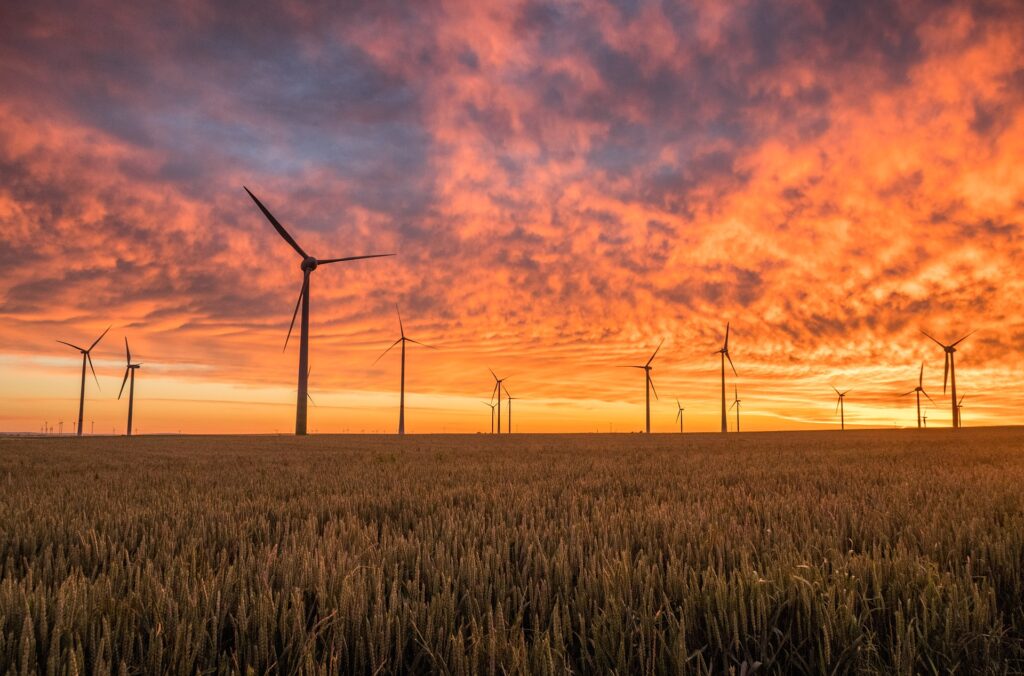
Total renewable energy consumption in the United States grew for the fourth year in a row to a record-high 11.5 quadrillion Btu in 2019. In 2019, electricity generation from wind surpassed hydro for the first time and is now the most-used source of renewable energy for electricity generation in the United States on an annual basis.
The first hydropower plants began to generate electricity in the 1880s. Until the mid-1800s, wood was the primary source of US energy. In the 19th century, the US used coal to fuel steam-powered trains and boats and manufacture steel. It was also used to generate electricity in the 1880s and is still being used today, with 90% of its consumption used mainly to generate electricity.
The EIA added:
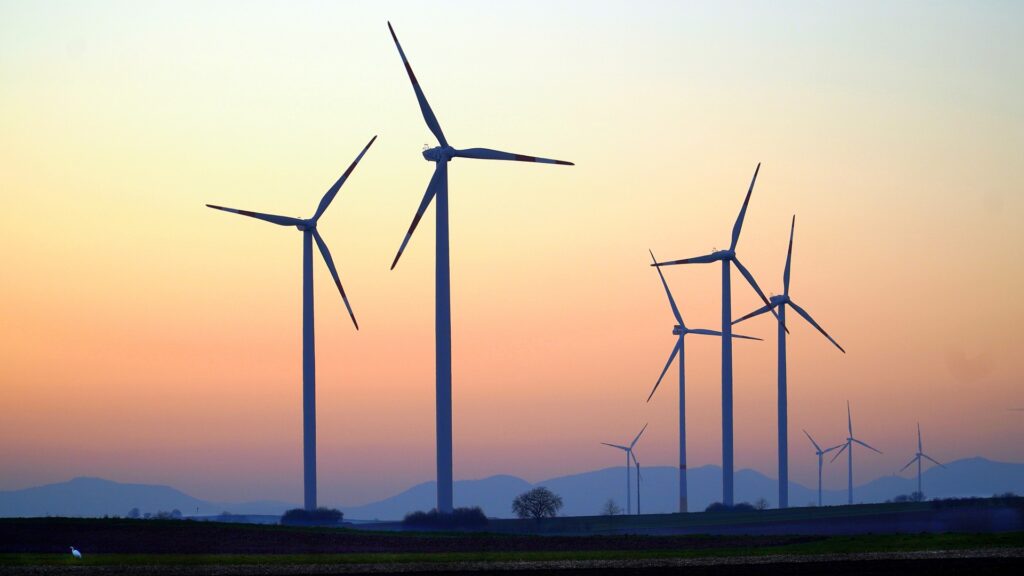
Renewable energy is more broadly consumed by every sector in the United States. About 56% of commercially delivered US renewable energy is used in the electric power sector, mostly from wind and hydroelectric power, but different types are also consumed in the industrial (22%), transportation (12%), residential (7%), and commercial (2%) sectors.
These are the EIA’s statistics from 2019, which means 2020 will have even better green energy statistics since it was filled with COVID-19 lockdowns. However, the US still needs to lower its natural gas consumption because even though gas companies claim it’s clean, it’s not.