
Neonicotinoid pesticides are systemic in nature, which means that the chemicals make the entire plant, pollen and nectar toxic. Neonicotinoids stay present in the environment months or years after application. They are terrible for the environment and even in small amounts, these pesticides kill bees and harm wildlife, including birds and invertebrates like earthworms.
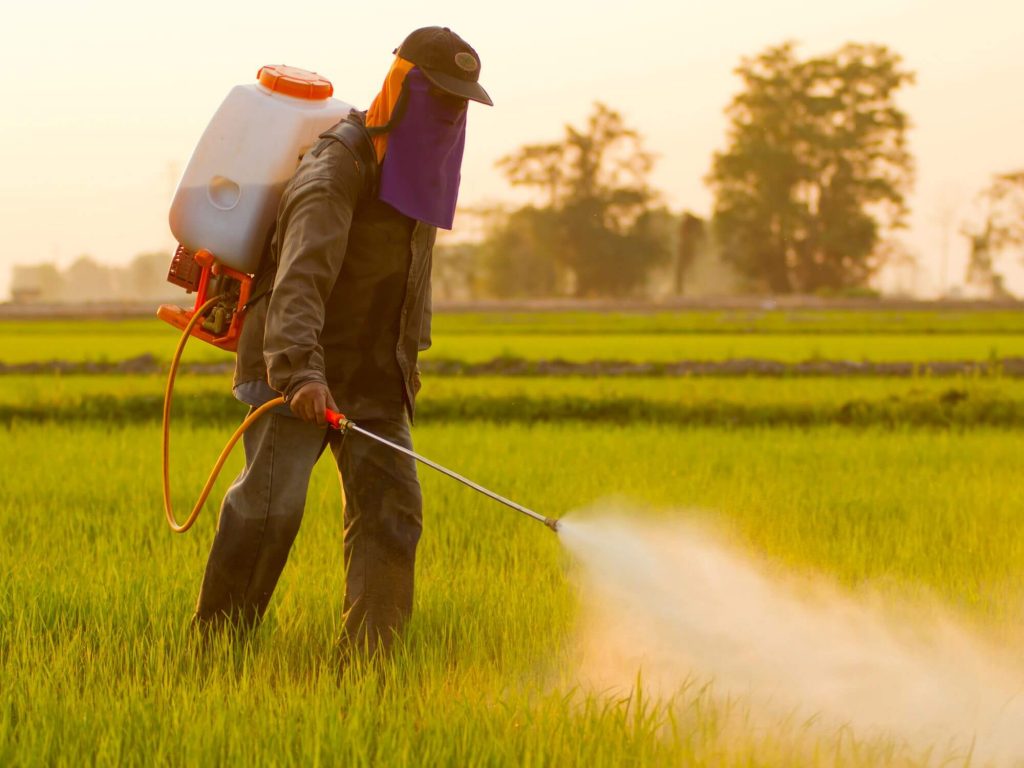 Now more than ever measures must be taken to ensure the bee population does not decrease even more than it already has. One such precaution is bill H.205 which regulates neonicotinoid pesticides because of their particular toxicity to bees. On May 28th the Governor of Vermont signed the bill that classifies the neonicotinoid family of pesticides as “restricted use” in the state, restricting use to trained applicators.
Shaina Kasper, Vermont and New Hampshire State Director at Toxics Action Center Campaigns, said:
Beekeepers across Vermont are losing hives at an alarming rate. The least we can do is keep bee-killing pesticides out of our state. We need bees to keep our food system healthy. This law is an importing step to protecting them.
Environmental advocates and anyone who depends on food (which is everyone) in Vermont is celebrating as this bill to protect pollinators by reducing pesticides harmful to bees was signed into law. According to the Bee Informed Partnership, Vermont beekeepers lost an average of 57% of their hives from 2017-2018, which is an even higher rate than the national average of 40% loss over the same time period.
Ross Conrad, beekeeper at Dancing Bee Gardens in Middlebury and a member of Vermont’s Pollinator Protection Committee, said:
Ever since neonicotinoid use increased dramatically, beekeeper losses generally speaking have increased dramatically as well. So this action by the Vermont legislature, while small, is a step in the right direction and will providing a little bit of relief for Vermont’s beleaguered pollinators.
Maryland and Connecticut have also passed laws to designate neonicotinoids as restricted-use pesticides. Europe has taken it even further by completely banning the pesticide. The 28 countries in the European Union adopted a total ban back in 2018 on outdoor use of neonicotinoids.
 Tiffany Finck-Haynes, pesticides and pollinators program manager at Friends of the Earth, said:
We applaud Vermont for adopting this bill to ban pollinator-toxic pesticides. Given the inaction of Trump’s EPA, Vermont’s progress is more important than ever to help address the pollinator crisis.
Judy Bellairs of the Vermont Chapter of the Sierra Club added that Representative Chip Troiano should be recognized for his amazing work as chief author of the legislation. “Thanks to Chip our pollinators will be better protected from these deadly chemicals,” she said.


