
Navigating the complexities of the healthcare system can be daunting, but having the right primary care doctor by your side can make all the difference. Not only does having a primary care physician reduce overall healthcare costs by a staggering 33%, but it also lowers the odds of premature death by 19%. Primary care doctors play pivotal roles in safeguarding your long-term health and finances. So, it’s crucial to choose one carefully.
This guide will empower you to make an informed decision by demystifying the process and offering insights. You can use them to find the perfect healthcare partner for your unique needs.
Understanding the Spectrum of Primary Care
Primary care is diverse, and each type of physician is tailored to meet specific healthcare needs. Here’s a quick breakdown:
- Family Medicine Physicians: Comprising about 35% of all office-based primary care physicians in the U.S., family medicine doctors provide comprehensive care for individuals of all ages, from newborns to the elderly.
- Internal Medicine Physicians: These adult primary care specialists, who care for about 1 in 4 adults in the U.S., focus on the prevention, diagnosis, and treatment of adult diseases.
- Pediatricians: Dedicated to the health and well-being of children from infancy through adolescence.
- General Practice Physicians: A broad specialty that encompasses care for individuals across all age groups and a wide range of medical conditions by primary care providers.
- Adult gerontology primary care providers specialize in caring for older adults, ensuring their unique healthcare needs are met.
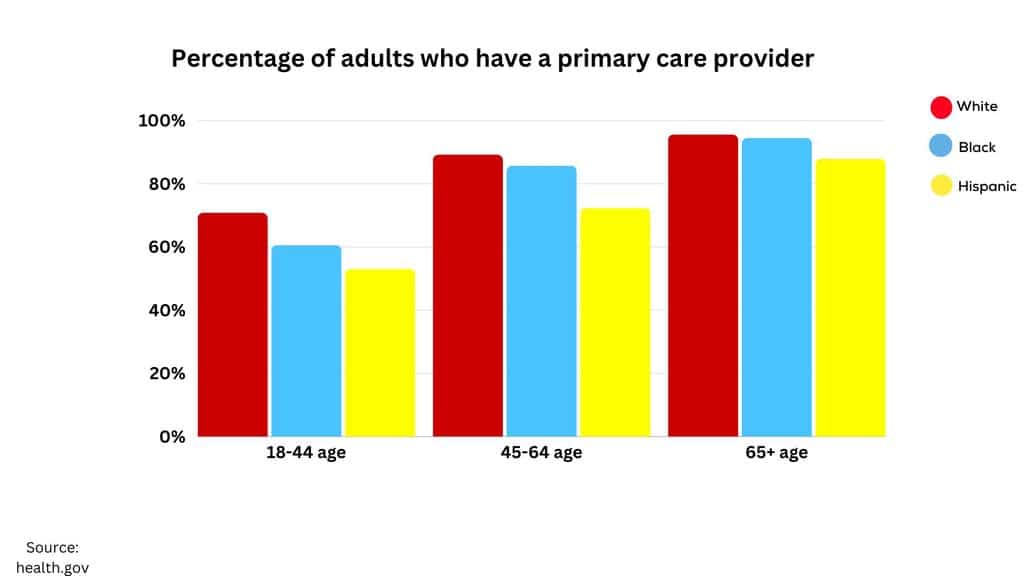
If you need clarification on which type of primary care doctor best fits your needs, consulting trusted resources can provide valuable guidance.
The Importance of Logistics in Your Choice
While your doctor’s qualifications and expertise are most important, practical logistics can affect the convenience and accessibility of your care.
Location and Office Hours: For 64% of patients, location is a top factor when choosing a primary care doctor. Proximity to your home or workplace can make a significant difference, especially for routine check-ups or unexpected medical needs.
Hospital Affiliations: If you anticipate the need for hospital care, it’s essential to consider your doctor’s affiliations with nearby facilities. This will ensure a seamless transition if necessary.
Telehealth Services: The availability of telehealth services has increased by a remarkable 154% since 2020, offering greater flexibility and convenience for virtual consultations.
Compatibility and Communication: The Human Aspect
Beyond credentials and logistics, establishing a strong rapport and open communication with your primary care doctor is paramount.
“The doctor-patient relationship is a sacred covenant built on trust, respect, and a shared commitment to your well-being.” – Dr. Rachel Naomi Remen
Personality and Communication Style: Patients who feel their doctors genuinely listen to them are 19% more likely to adhere to their treatment plans. Effective communication can lead to a 12% increase in patient satisfaction.
Patient Education and Shared Decision-Making: A doctor who takes the time to educate you, address your concerns, and involve you in the decision-making process can foster a sense of empowerment and accountability in managing your health.
Support Staff: The doctor’s support staff plays a crucial role in your overall healthcare experience. Evaluate their professionalism, responsiveness, and ability to facilitate seamless communication with your provider.
Insurance and Financial Considerations
Healthcare costs can quickly escalate, making it essential to understand the financial implications of your primary care doctor’s choice.
Insurance Networks: Ensure your potential doctor is in-network with your insurance provider, as over 90% of primary care visits are covered by insurance plans. This can significantly reduce out-of-pocket expenses.
Out-of-Pocket Costs: Even with insurance coverage, evaluate the potential co-pays, deductibles, and any additional fees associated with your doctor’s practice. Patients with a primary care physician have 33% lower healthcare costs due to fewer emergency room visits and hospitalizations.
Payment Plans and Billing Transparency: Inquire about the practice’s billing policies, payment plan options, and their commitment to transparency regarding costs to avoid any unwelcome financial surprises.
Utilizing Resources and Reviews Wisely
In today’s digital age, a wealth of information is at your fingertips, but it’s essential to use these resources judiciously.
Online Reviews and Ratings: While 77% of patients use online reviews as their first step in finding a new doctor, it’s crucial to approach these with a discerning eye. Look for patterns and consistent feedback to gain a well-rounded perspective.
Referrals: Trusted referrals from friends, family, or other healthcare providers can be invaluable, as over 80% of patients rely on these when choosing a primary care doctor.
Practice Websites and Social Media: Explore the doctor’s practice website and social media presence to gain insights into their approach, services, and overall philosophy.
Here’s a quick comparison of the most commonly used online resources for finding a primary care doctor:
| Resource | Pros | Cons |
| Online Reviews | Candid patient feedback, easy to access | Potential for biased or fake reviews |
| Doctor Rating Websites | Comprehensive ratings and comments | Ratings can be skewed towards extremes |
| Social Media | Insights into practice culture and communication style | Limited to the information shared by the practice |
| Practice Websites | Detailed information about services and credentials | May lack objective patient perspectives |
Making the First Appointment: What to Look For
Your first appointment with a potential primary care doctor is crucial. It is a chance to assess their compatibility and care quality.
Time and Attention: Patients who feel their doctors spend enough time with them are 50% more likely to rate their care as excellent. Observe if the doctor seems rushed or distracted during your visit.
Communication and Bedside Manner: Evaluate how well the doctor explains things, addresses your concerns, and makes you feel heard and respected.
Office Environment and Staff Interaction: A well-organized office with friendly and efficient staff can contribute to a positive overall experience.
Red Flags: Long wait times, dismissive attitudes, or any behavior that makes you feel uncomfortable or disrespected should be taken seriously.
The Decision to Stay or Switch: Knowing When It’s Time
Your healthcare needs and preferences may change, requiring you to reassess your relationship with your primary care provider.
Regular Check-Ins: About 20% of patients change their primary care doctor within two years due to dissatisfaction or relocation. Regularly re-evaluating your relationship with your doctor can lead to better health outcomes and patient satisfaction.
Life Changes: Major life events, such as a move, a new job, or the onset of a chronic condition, may prompt the need for a doctor better suited to your current circumstances in senior care or adult primary care.
Persistent Dissatisfaction: If you consistently feel your needs are not being met despite attempts to address concerns, it may be time to explore other options for a more fulfilling healthcare partnership with primary care physicians.
FAQs
1. How often should I re-evaluate my relationship with my primary care doctor?
There’s no one-size-fits-all answer. The frequency of re-evaluation depends on many factors. These include your age, health, and satisfaction. However, it’s best to assess your relationship at least once a year. You should also do so when big life changes happen.
2. Can I change my primary care doctor if I’m not satisfied, and how does that process work?
Absolutely! You have the right to switch primary care doctors if you’re dissatisfied with your current provider. You usually need to tell your insurance provider, ask for your medical records to be sent to the new doctor, and complete any required paperwork.
3. How do I balance doctor expertise with personal compatibility?
A doctor’s credentials and expertise are essential. But, we should not undervalue personal compatibility and effective communication. Try to balance these factors. A good doctor-patient relationship can greatly impact your healthcare and outcomes.
Conclusion
Selecting the right primary care doctor is a crucial step towards a more empowered and informed healthcare journey. You can make a well-informed decision about your primary care. To do this, you must understand its nuances and consider practical logistics. It would be best if you also prioritized compatibility and communication and must navigate insurance and financial factors.
Remember, your primary care doctor is a partner in your long-term health and well-being. Don’t hesitate to invest the time and effort in finding the right fit. The rewards of a good doctor-patient relationship are invaluable.


