
Running a successful business is no easy feat. Besides worrying about marketing, finances, and customers, there’s also the constant concern of safety and security. As a business owner, it’s your responsibility to ensure the protection of not just your assets and property but also your employees and customers.
Thanks to technological advancements and increasing crime rates, video surveillance has become an essential tool for businesses of all sizes. Every business owner should be aware of the benefits and considerations regarding security camera systems.
Installation and Maintenance
When considering a security system for your business, think beyond just the initial installation. The ease of installing your security system is certainly important. No one wants to deal with a complicated setup process or a system that requires an expert to install it. But if you don’t have any expertise in installing your system, you can still select your desired packages, like the Uniview CCTV systems, and let professionals handle the installation process for you. Although the initial cost may be a bit higher, it will save you time and hassle in the long run.
What’s equally important is maintenance: ensure your security camera system is functioning properly. This includes checking for any technical issues, cleaning the cameras and lenses, and updating software as needed. Make sure to consistently review and back up your footage. This way, you’ll always have access to important recordings when you need them.
Types of Camera Systems
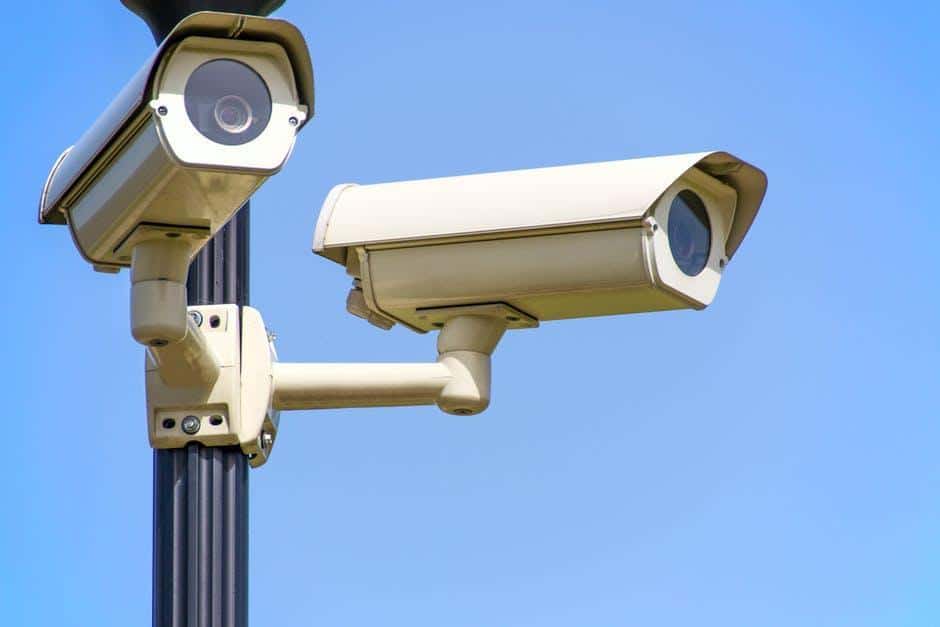
Various types of security camera systems are available, each with unique features and benefits. The most common types include:
- Analog: These cameras are the traditional CCTV systems that use analog signals to transmit footage to a monitor or recording device. They are reliable and cost-effective but have lower resolution compared to newer technologies.
- Network/IP: These cameras use your network/internet connection to transmit footage, making them accessible from anywhere with an internet connection. They have higher resolution and advanced features such as remote access and motion detection.
- Wireless: These cameras are easy to install and do not require cables for power or data transmission. However, they can be susceptible to interference and may have a limited range.
- PTZ (Pan-Tilt-Zoom): These cameras offer the ability to remotely control the direction and zoom of the camera, allowing for a wider coverage area and more flexibility.
- Thermal: These cameras use thermal imaging technology to detect heat signatures, making them useful in low light or no light conditions.
Before taking the plunge, consider your business’s specific needs and consult with a security expert to determine the best type of camera system for you.

Video Quality and Storage
In terms of video quality, higher-resolution cameras will produce clearer and more detailed footage. Take HD cameras as an example: they offer better clarity and allow for easier identification of individuals or objects in the footage. Keep in mind that higher-quality cameras may also require more storage space.
When it comes to storage, it’s essential to have sufficient capacity to store your footage, particularly if you intend to save recordings for an extended period. Consider investing in cloud storage or external hard drives to ensure you have enough space and to prevent your system from becoming overloaded. Generally, storing at least 30 days’ worth of footage is advisable.
Field of View and Coverage
A reliable security system needs to cover every inch of your property to ensure that all angles are accounted for. Assessing your property layout and deciding on the number and placement of cameras is essential for achieving comprehensive coverage without any blind spots.
By carefully planning the camera placements, you can ensure that every vulnerable area of your property is under surveillance, offering you peace of mind and robust security. This proactive approach can significantly enhance the effectiveness of your security system, deterring potential intruders and enhancing the safety of your home or business.
Setting up every CCTV camera strategically so it covers blind spots and major entry points prevents unauthorized individuals from accessing sensitive perimeters unnoticed. This comprehensive visibility allows property owners to monitor daily activity in real time and maintain an accurate record of events for maximum protection.
Lighting Conditions
The impact of lighting conditions on the effectiveness of your security camera system cannot be overstated. Cameras must be capable of producing clear images in various lighting scenarios — from bright daylight to the darkest nights. Many modern cameras come equipped with night vision capabilities, using infrared technology to capture clear footage in low-light conditions.
Take into account the positioning of cameras in relation to light sources to prevent glare and shadows from obscuring crucial details. Incorporating cameras with automatic adjustment settings based on the surrounding lighting conditions guarantees consistent video quality, regardless of the time of day.
Motion Detection and Alerts
Modern security camera systems often feature advanced motion detection capabilities, which are pivotal for businesses looking to enhance their security measures efficiently. Motion detection technology analyzes video frames and triggers alerts when unexpected movement is detected within the camera’s field of view.
When motion is detected, the system can immediately alert business owners or security personnel, enabling prompt action. This may involve reviewing the live feed to evaluate the situation or contacting authorities if a security breach is suspected. Moreover, businesses can reduce false alarms triggered by regular movements, ensuring that only notable activities are highlighted.

Access and Monitoring
Having the ability to access and monitor your security camera feed from anywhere, at any time, is a game-changer for business owners. Nowadays, many modern security systems offer remote access through mobile apps and web platforms — you can view live footage, playback recorded videos, and receive alerts directly on your smartphone or computer.
Such convenience enhances the flexibility and responsiveness of your security measures while also providing peace of mind, knowing you can keep an eye on your business no matter where you are. However, remote access also increases the importance of securing your network and devices from potential hacking attempts.
Legal Compliance and Privacy
When implementing a security camera system, you must stay informed about legal compliance and respecting privacy. Various jurisdictions have specific laws outlining where cameras can be placed, especially regarding areas where individuals expect privacy. It’s vital to ensure that your use of security cameras adheres to federal, state, and local regulations to avoid legal complications.
To maintain transparency and trust, it’s good practice to clearly communicate with employees and customers about the presence of cameras. A legal expert can provide guidance tailored to your business’s location and industry.

Business Security Camera Systems
In the dynamic landscape of business operation, security camera systems emerge as a critical component for safeguarding assets, personnel, and customers. From installation and maintenance to advanced features such as motion detection and remote access, understanding the nuances of these systems is a must.
By making informed decisions tailored to the specific needs and legal frameworks of your business, you can enhance security, ensure compliance, and ultimately foster a safer and more secure environment for everyone involved.


