
In a world where environmental concerns are at the forefront, sustainable living has become not just a choice but a necessity. It’s about making conscious decisions that reduce our impact on the planet and promote a healthier, more balanced way of life. One of the most impactful ways individuals can contribute to sustainability is by creating a home garden.
In this article, we’ll explore why your home garden is the cornerstone of sustainable living, delving into its multifaceted benefits and how it aligns with the principles of sustainable living.
Understanding Sustainable Living
Before diving into the significance of home gardens in sustainable living, let’s first establish a clear understanding of what sustainable living means. At its core, sustainable living is a way of life that aims to minimize negative impacts on the environment and society while fostering long-term well-being. It’s built on a set of principles that guide our choices and actions, with the ultimate goal of creating a balanced and regenerative relationship between humans and the Earth.
Reducing Environmental Impact
Industrial agriculture has a considerable environmental footprint. Large-scale farming often involves extensive transportation of produce, leading to significant greenhouse gas emissions. Additionally, the use of synthetic chemicals, monoculture cropping, and excessive water consumption contribute to environmental degradation.
Home gardens, on the other hand, minimize these negative impacts. By growing your own food, you cut down on the need for long-distance transportation, reducing associated emissions. Moreover, many home gardeners opt for organic practices, which eliminate the use of synthetic pesticides and fertilizers, promoting soil health and biodiversity.
Also, according to the gardeners at H Potter, you can minimize waste and contribute to a healthier planet by embracing eco-friendly practices and investing in quality and durable gardening products, such as long-lasting garden tools and materials. Choosing sustainable gardening methods, like composting, organic pest control, and water-efficient irrigation, can significantly reduce the environmental footprint of gardening.
Additionally, using durable products reduces the need for frequent replacements and ensures that resources are used efficiently, aligning with the principles of responsible and eco-conscious gardening.
Promoting Food Security
In an increasingly interconnected world, food supply chains can be vulnerable to disruptions. Events like natural disasters, political instability, or global pandemics can disrupt the distribution of food, leading to shortages and price spikes. Home gardens act as a safety net by providing a consistent source of fresh produce.
During times of crisis, whether it’s a severe storm or a prolonged economic downturn, home gardeners are better equipped to weather the challenges. The ability to grow your own food ensures a degree of food security that can make a significant difference in your life.
Biodiversity and Ecosystem Health
The importance of biodiversity cannot be overstated. A rich diversity of plants and animals is crucial for the health of ecosystems and the overall stability of our planet. Sadly, habitat loss and monoculture farming have led to a decline in biodiversity in many areas.
Home gardens offer a unique opportunity to reverse this trend. By choosing native plants and creating a variety of microhabitats in your garden, you can attract a wide range of wildlife, from pollinators like bees and butterflies to birds and beneficial insects. This not only enhances the beauty of your garden but also contributes to the health of local ecosystems.
Reducing Chemical Use
Conventional agriculture relies heavily on synthetic pesticides and fertilizers to maximize yields. However, the use of these chemicals comes at a significant cost to the environment. Pesticides can harm non-target species, contaminate water sources, and contribute to the development of pesticide-resistant pests.
Home gardeners have the freedom to choose organic and sustainable gardening practices that minimize or eliminate the use of synthetic chemicals. You can create a healthier and more sustainable garden ecosystem by opting for natural pest control methods, composting, and organic fertilizers.
Conserving Water Resources
Water scarcity is a growing concern in many regions of the world. Large-scale agriculture is a major consumer of water resources, often depleting aquifers and straining local water supplies.
Home gardeners can take steps to conserve water while maintaining productive gardens. Practices such as rainwater harvesting, using drought-resistant plants, and employing efficient irrigation systems can significantly reduce water consumption. This not only benefits the environment but also lowers water bills.
Educating and Building Communities
Home gardens are not just about growing plants but also about cultivating communities. Community gardens, in particular, provide a space for people to come together, share knowledge, and collaborate on sustainable projects. These spaces foster a sense of belonging and cooperation among neighbors.
Gardens can also be invaluable educational tools. They provide hands-on learning experiences for both adults and children. Teaching the next generation about the importance of sustainable living and the interconnectedness of the natural world is a crucial step in building a more sustainable future.
Empowering Individuals to Take Action
Perhaps the most compelling aspect of home gardening in the context of sustainable living is that it empowers individuals to take meaningful action. It’s a practical and concrete way for people from all walks of life to make a difference, regardless of the scale.
Whether you have a sprawling yard or a small balcony, you can engage in sustainable gardening practices. You can start by growing your own herbs, cultivating a container garden, or participating in a local community garden. The key is taking the first step and recognizing that your actions, however small they may seem, contribute to a larger movement toward sustainable living.
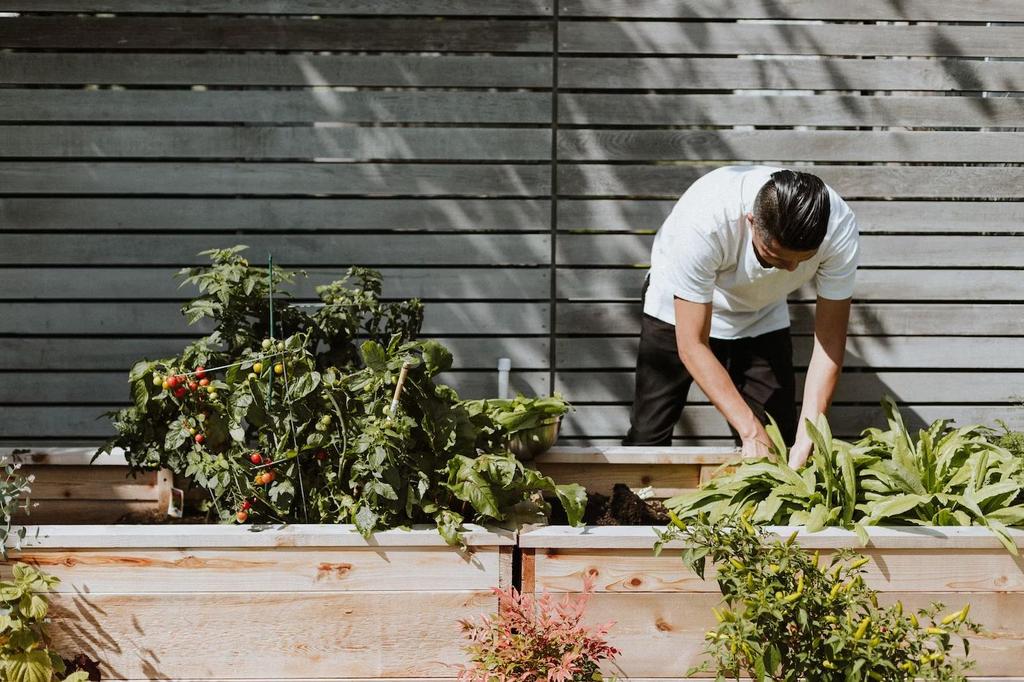
Your home garden is not just a patch of green; it’s a cornerstone of sustainable living. It embodies the principles of sustainable living by reducing environmental impact, promoting food security, supporting biodiversity, reducing chemical use, conserving water resources, fostering communities, and empowering individuals to take action.
In a world facing pressing environmental challenges, embracing sustainable living is a moral imperative. Your home garden is a powerful tool in this endeavor. It connects you to the natural world, reduces your ecological footprint, and serves as a tangible expression of your commitment to a more sustainable, harmonious way of life.
So, whether you’re an experienced gardener or just getting started, know that your home garden is making a significant contribution to a more sustainable world. It’s not just about growing plants; it’s about nurturing a more sustainable future for yourself, your community, and generations to come.


