
Beneath the lush greenery and diverse ecosystems that paint the surface of our planet, there lies an overlooked hero—soil. Groundbreaking research is uncovering just how critical this often-undervalued habitat is for sustaining life on Earth. Soil, it turns out, is not only a pillar for plants and fungi but a vibrant realm where more than half of the world’s species make their home.
Unearthing Soil’s Ecological Significance
“I think soil’s having a moment,” says Mark Anthony, a fungal ecologist at the Swiss Federal Institute for Forest, Snow and Landscape Research, reflecting on the newfound attention towards the ecological significance of soil. This revelation comes from a study that Anthony co-authored, which estimates that about 59 percent of species rely on soil for at least part of their life cycle—far surpassing the previous estimate of just a quarter. The lowest soil reliance came from mammals, of which about 4 percent rely on soil for one or more stages of their life cycle.
The Diverse Inhabitants of the Soil Realm
The soil ecosystem is a complex web of interactions, serving as a pivotal stage for a staggering variety of life forms, from minute bacteria to majestic mammals like prairie dogs. For potworms, soil is almost their entire world, with 98.6 percent of species spending their life excavated in its depths. Even the majestic oak firmly rooted in the fertile ground owes its life to the unseen organic matter and microscopic life that thrives in the soil.

Soil’s Far-Reaching Influence on Marine Ecosystems
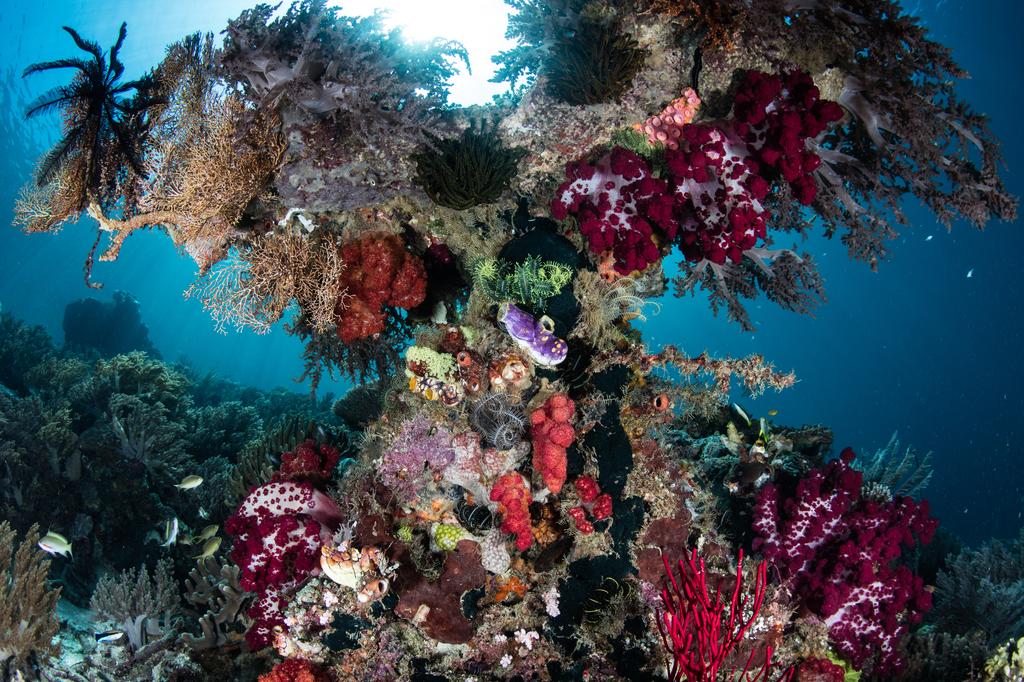
Remarkably, the impact of soil extends far beyond the solid earth and into the vast expanses of our oceans. The health of the soil directly influences the quality of water that runs off into rivers and, eventually, the sea, carrying with it vital nutrients and organisms. However, it also has the potential to wash out pollutants and excess nitrogen that can contribute to harmful algal blooms and the degradation of coral reefs.
It’s a lesser-known fact that soil management practices on land can have profound ripple effects on marine life, affecting ocean health and, in turn, global climate patterns. As such, maintaining healthy soil is not only essential for terrestrial biodiversity but also for preserving the intricate balance of marine ecosystems.
The Call for Interdisciplinary Action on Soil Preservation
Understanding the crucial role soil biodiversity plays in our environment is a joint effort that calls for interdisciplinary collaboration. “It’s not just earthworms and a few moles and voles,” asserts Stefan Geisen, a soil ecologist, signifying the diversity that lies within.
Threats to Our Subterranean Ally
The invaluable service that soil provides, however, is at risk. Human activities are leaving an indelible mark through unsustainable land use, pollution, and climate change, pressing upon us the need for restoration and conservation efforts. Diana Wall, a soil ecologist at Colorado State University, and Ember Morrissey from West Virginia University, who studies soil microbial communities, agree on the importance of preserving this environment—if not for our generation, then for those to come.

The Ominous Rise of Sea Levels and Ocean Health Concerns
Recent studies looking at old records from devices used to measure sea levels have noticed that the sea levels are gradually rising. Scientists believe that soil, teeming with life, plays a huge part in keeping our environment healthy, but they’ve also found that the ocean is having problems. There’s less oxygen in the water now than there was decades ago, and it looks like this problem will become even worse in the future. By the middle of this century, a big part of the ocean is expected to feel this effect, and it could get more severe as the years go by.
Besides the issue of less oxygen in the ocean, the sea is also getting warmer and more acidic, and these problems might become noticeable even before the oxygen levels drop too low. Coral reefs, which provide food for a lot of sea life, could decrease, meaning there would be up to 6% less food for creatures in the deep sea. Even if we were to restore coastal areas like marshes and swamps in a way that doesn’t cost too much, it would only slightly help reduce the polluting gases we put into the air.
The Critical Interdependence of Soil and Sea
As we navigate through the environmental challenges of our time, it becomes increasingly clear that preserving soil and marine biodiversity is paramount. These ecosystems provide more than just life support for countless organisms—they’re intrinsic to our own survival and prosperity. Reflecting on the comprehensive interdependence of life, we must prioritize our planet’s health by protecting and cherishing these intricate and resilient habitats that foster such an awe-inspiring multitude of life forms.
Conclusion: Protecting Our Planet’s Life-Sustaining Tapestry
In conclusion, our exploration has revealed the soil beneath our feet as a teeming underground metropolis, crucial for over half of all known species, including plants, fungi, and a myriad of other life forms. Experts like Mark Anthony and Stefan Geisen remind us that this dynamic ecosystem is far more than just dirt—it’s a hub of biodiversity that demands recognition and protection. However, the stability of this underground world is threatened by human activities, accentuating the urgency for conservation and restoration efforts championed by scientists such as Diana Wall and Ember Morrissey.
The intertwining fates of soil and ocean underscore the broader environmental challenges we face: actions taken on land inevitably cascade into the aquatic realm, affecting everything from coral reefs to global climate patterns. The rising levels of the sea, the depletion of oxygen, and changes in temperature and acidity all bear testament to this interconnectedness. With up to 6% of the deep-sea food sources at risk, it’s clear that the health of our planet rests on the shoulders of both terrestrial and marine biodiversity.
In heeding the call to safeguard these vital ecosystems, we commit not only to preserving the intricate web of life they support but also to ensuring a resilient and sustainable future for all inhabitants of Earth. By rallying collective action and scientific ingenuity, we can forge a path that honors and preserves the extraordinary tapestry of life both within the soil that nurtures us and the waters that surround us.
The study Enumerating soil biodiversity was published in the journal PNAS.
FAQ
What is the critical role of soil biodiversity in sustaining life on Earth?
Soil biodiversity plays a critical role in sustaining life on Earth by providing key ecosystem services such as nutrient cycling, water purification, and supporting plant growth. It is essential for maintaining healthy soils, which are crucial for agriculture and food production.
Additionally, the myriad organisms within the soil contribute to the decomposition of organic matter, thus enriching the soil and fostering a dynamic habitat for plants and wildlife. Soil biodiversity also acts as a buffer against environmental disturbances, helping to mitigate climate change by storing carbon within terrestrial ecosystems.
How are soil biodiversity and marine biodiversity threatened by human activities?
Soil biodiversity and marine biodiversity are threatened by human activities such as pollution, habitat destruction, overfishing, and climate change. These activities have a detrimental impact on the delicate balance of these ecosystems.
Agricultural practices that rely heavily on chemical pesticides and fertilizers can harm soil microorganisms and reduce fertility, while urbanization leads to soil sealing and erosion. In marine environments, plastic waste and chemical runoff trigger harmful algal blooms and coral bleaching, disrupting the intricate food webs upon which marine life depends.
Why is interdisciplinary collaboration necessary to protect soil and marine biodiversity?
Interdisciplinary collaboration is necessary to protect soil and marine biodiversity because it involves understanding the complex interactions between different ecosystem services, the impact of human activities on these ecosystems, and the need for sustainable management strategies that consider both ecological and human well-being.
How do Indigenous communities play a key role in conservation planning for soil and marine biodiversity?
Indigenous communities play a key role in conservation planning for soil and marine biodiversity through traditional knowledge and sustainable practices. Their insights offer valuable knowledge of ecosystem management and conservation practices that have been passed down for generations.
Often living in close harmony with nature, Indigenous peoples’ understanding of seasonal cycles, species interactions, and habitat management can guide modern conservation efforts in a way that respects local ecosystems’ balance. Furthermore, their participation in policy-making can ensure that conservation strategies are not only effective but also equitable, recognizing their rights and the value of their stewardship.
What is the paramount importance of preserving soil and marine biodiversity for the survival and prosperity of all organisms, including humans?
Preserving soil and marine biodiversity is of paramount importance for the survival and prosperity of all organisms, including humans, as it directly impacts essential ecosystem services such as food production, water purification, climate regulation, and overall ecological balance.
The diversity of life in soil and marine ecosystems fosters resilience to environmental changes and natural disasters, acting as a buffer safeguarding our food security and sustaining commercial fisheries. Additionally, numerous medicinal compounds are derived from soil organisms and marine species, highlighting the role of biodiversity in advancing human health and pharmaceutical sciences. The loss of biodiversity in these realms could lead to ecosystems’ collapse and the loss of valuable genetic resources, irreversibly altering the web of life upon which human societies depend.
What percentage of the world’s species rely on soil for at least part of their life cycle?
About 59 percent of the world’s species rely on soil for at least part of their life cycle, emphasizing the critical role of soil biodiversity in supporting diverse forms of life; this includes 86 percent of plants, 90 percent of fungi, and 40 percent of bacteria.


