
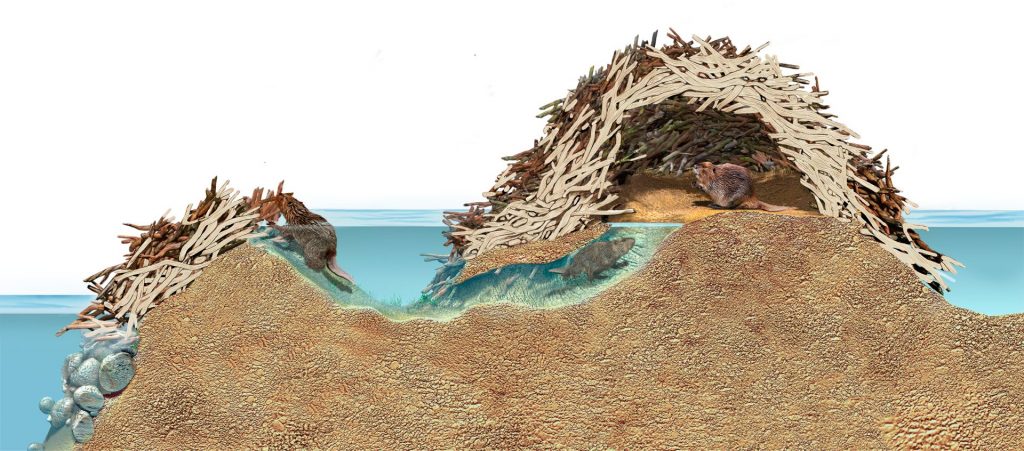
Beavers work hard building dams to create a pond of quiet, deep water, where they can build their lodge. The dam slows down the river, so the beavers’ home doesn’t wash away. According to a five-year study of wild animals living in the River Otter, in Devon, beavers alleviate flooding in villages downstream, reduce pollution, and boost populations of amphibians, fish, and other wildlife.
Over 400 years ago, the wild beavers in England were hunted to extinction. Now, the government is deciding whether to allow the animals to return to their natural habitat. The report, which concludes that the beaver species has brought significant benefits to people and wildlife, could help with the government’s final decision.
The Study
The five-year study was carried out by a team of researchers led by Professor Richard Brazier of the University of Exeter. They concluded that the benefits that the beavers offered on the River Otter, such as ecosystem services, including flood alleviation and eco-tourism, outweighed the cost of minor flooding of some farmland.
In 2013 the wild beavers were rediscovered living in the river. A widespread outcry was greeted to exterminate the animals. However, the government agreed to a scientific trial, with 100% of its funds raised by Devon Wildlife Trust and its followers.
Mark Elliott, who conducted the River Otter beaver trial, commented:
We’ve all been surprised by these amazing animals’ ability to thrive, once again, in our wetland ecosystems. It also shows their unrivaled capacity to breathe new life into our rivers and wetlands, very few of which are in good health.
The population of beavers on the Otter River has risen in the past five years. In 2015 there were two breeding pairs; now, there are at least eight pairs.
Positive Impacts And Benefits
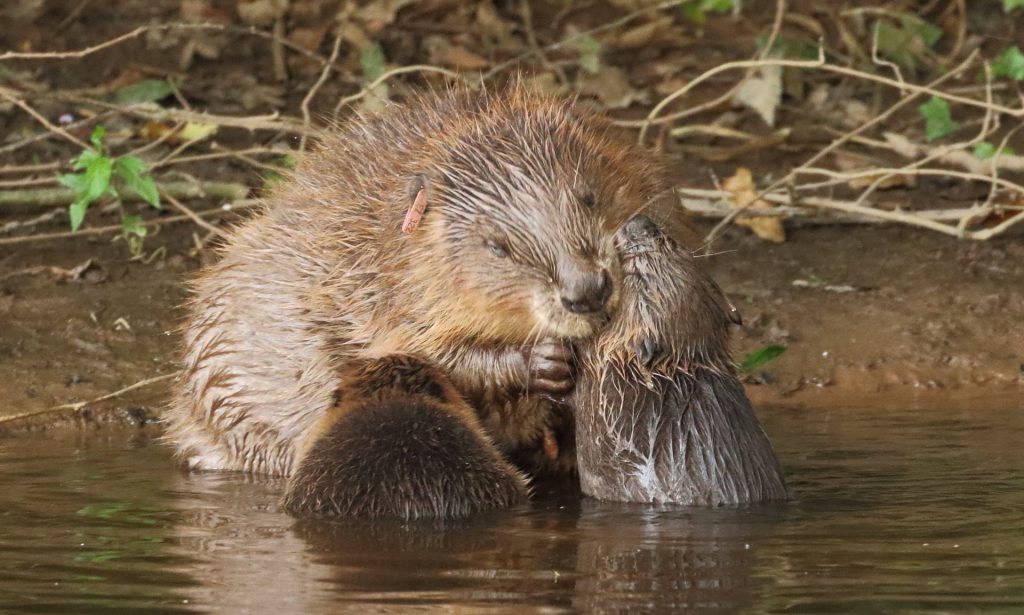
Some of the positive impacts that the beavers had in the river included when one family constructed six dams upstream of the flood-prone village of East Budleigh. The dams slowed the floodwater flow through the town and reduced the peak flow during the floods.
The beavers also played a significant role in filtering pollutants such as fertilizers from the river, slurry, and manure. New wetlands form as a result of beavers’ dams slowing the water flow and the water spilling out onto the upper lands. These wetlands attract all sorts of wildlife, including water voles, riverine birds, and wildfowl birds.
Additionally, in the ponds created by beaver dams, there were 37% more fish than in comparable stretches of the river. During high river flows fish were found leaping over beaver dams.

The chairman of Natural England, Tony Juniper, said:
It is fantastic to see the successful reintroduction of these majestic creatures back into the English countryside, which Natural England has licensed. I commend the work of the Devon Wildlife Trust in helping to show how beavers can have such a transformative impact on the natural world.
Negative Impacts
While beavers slow the flooding of villages downstream, their dams, in turn, flood valley farmlands. In one case, during the study, an organic potato field got flooded entirely.
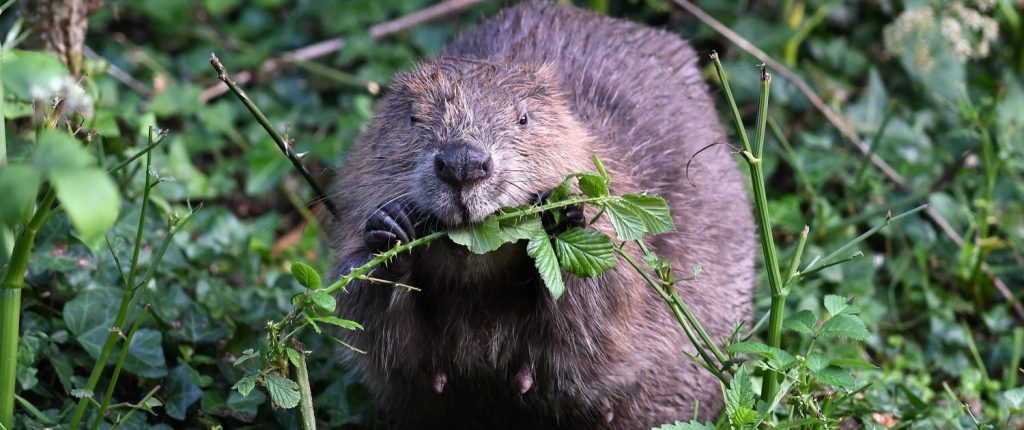
Orchards along the riverside were at risk from beavers gnawing at the trees, but these issues were easily solved with active management. Devon Wildlife Trust and Clinton Devon Estates provided the trees with wire guards to protect them from the beavers gnawing at them. Beaver’s jaws are so strong they can cut a 1.5 cm sapling in just one bite; however, they are completely vegetarian.
Brazier said:
Following five years of detailed research work, the report concludes that the positive impacts of beavers outweighed the negatives. However, it also makes clear that those who benefit from beaver reintroduction may not always be the same people as those who bear the costs, highlighting that the reduction of flood risk in communities downstream may come at the cost of water being stored on farmland upstream.
The DEFRA (Department for Environment, Food and Rural Affairs) will decide in September 2020 if the Devon beavers can remain and officially be recognized as a native species. Until then, the Devon trial will continue to study the beavers and find out all the benefits this species has to offer.


