
Telehealth has been a key topic of discussion for a while, especially as the pandemic prompted more individuals to seek remote rather than in-person care. According to CDC data, over 43% of individuals aged 65 and older are regular users of telehealth services. This field is constantly evolving with new advancements.
One notable development is the integration of artificial intelligence to enhance diagnostic accuracy and patient monitoring. Furthermore, there is a growing emphasis on ensuring equitable access to telehealth services across different demographics. These advancements promise to make remote healthcare more efficient and inclusive for all users.
Here is an overview of some significant trends emerging in 2024.
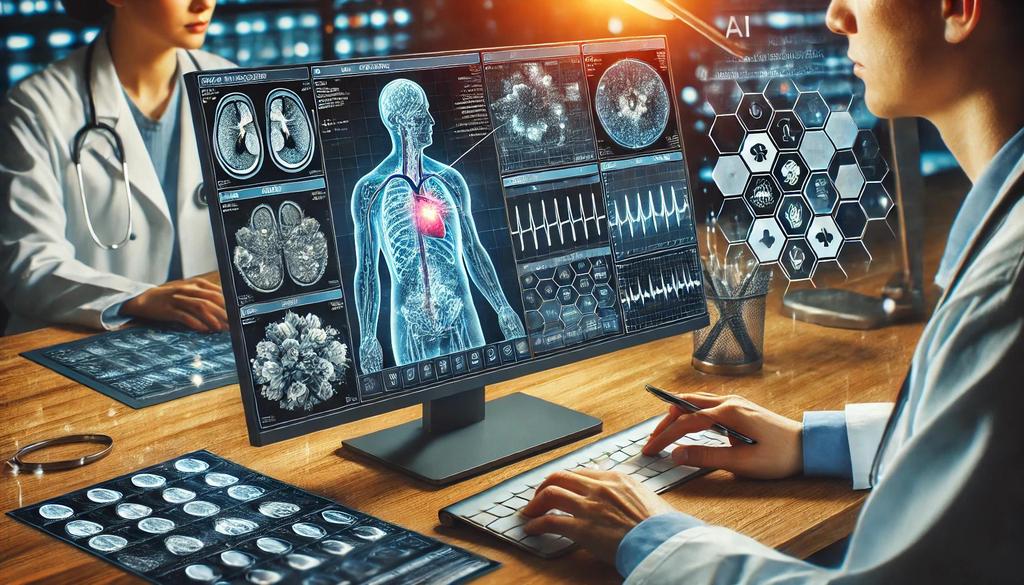
AI-Powered Diagnostic Tools
AI transforms telehealth by making diagnostics faster and more accurate, with one study suggesting that machine-learning models can outpace 72% of doctors in this respect. Most importantly, it gives practitioners access to a second opinion instantly. There are a few tools of note:
- Infermedica uses AI to pre-screen symptoms, offering clinicians a detailed analysis before the appointment even starts.
- Aidoc provides real-time imaging insights, helping radiologists identify critical conditions in record time.
- Buoy Health employs machine learning to guide patients through symptom checkers, directing them to the right care path based on nuanced data analysis.
The idea is not to eliminate the need for human judgment in the diagnosis process but rather enhance it by providing support where it’s needed most. Combining these tools with secure platforms such as Updox telehealth software means providers can deliver quicker patient assessments with improved accuracy, moving cases forward in less time with no compromises.

Remote Patient Monitoring Systems
Remote patient monitoring (RPM) is another telehealth trend worth shouting about, as it helps healthcare providers track and manage patients’ conditions entirely remotely. This is the cornerstone of several strategies for improving outcomes, so here are some brands and services making waves in this sphere:
- BioIntelliSense offers BioSticker, a wearable that continuously monitors vital signs like temperature and respiratory rate, sending data directly to physicians.
- Health Recovery Solutions (HRS) provides a comprehensive RPM platform with devices that monitor heart rate, oxygen levels, and glucose, which is ideal for managing chronic illnesses.
- CareSimple integrates simple-to-use devices like blood pressure cuffs and scales with its cloud-based system to provide real-time health updates to doctors.
These tools allow healthcare providers to keep an eye on patients without the need for constant in-person visits. Using them enhances patient care continuity while reducing hospital readmissions, which sit at an average of 13.9% for all causes within a 30 day period of discharge.
For those looking for convenient access to mental health support, searching for “telehealth counseling near me” can help connect individuals with licensed professionals in your area offering remote therapy sessions.

Personalized Virtual Wellness Programs Tailored to Individual Needs
Virtual wellness programs are stepping up, offering personalized plans that cater to individual health goals and lifestyles. For instance:
- Noom leverages data science to provide customized weight loss plans with daily coaching, integrating psychological insights for long-term success.
- Vida Health offers tailored wellness programs focusing on chronic disease management through AI-driven insights and personal health coaches.
- Lark Health uses conversational AI to deliver personalized advice on managing conditions like diabetes and hypertension via real-time chatbots.
While these are all solutions that individuals can leverage on their own, they are also something which practitioners can provide in combination with their own expertise, delivered via the telehealth platform of their choice. This is the type of cross-over that typifies modern healthcare, in which several different yet interlinked tools ride to the rescue of patients who want a truly personalized experience.

AI Drives Trends in Telehealth and Healthcare Revolution
Artificial intelligence (AI) is driving the most influential trends in telehealth today. It also serves as a catalyst for numerous other healthcare revolutions currently underway. This development is beneficial for both patients and healthcare professionals. Patients receive more efficient and accurate care, while professionals benefit from enhanced productivity and precision through intelligent automation. Importantly, AI ensures that the skills and expertise of healthcare professionals remain crucial in the industry.
As we move further into 2024, it is clear that telehealth is shaping the future of healthcare in profound ways. The integration of AI, remote patient monitoring systems, and personalized virtual wellness programs are trailblazing paths to more efficient, inclusive, and individualized care. These advancements herald a new era in healthcare, promising to revolutionize how we connect with and manage our health.


