
Protection against the elements is not just about enduring the present-day weather conditions but also about preparing for the challenges that a rapidly changing climate brings to our doorstep. From the scorching heat of the desert sun to the bone-chilling cold of arctic storms, the capacities of these materials to withstand extreme conditions could mean the difference between catastrophic failure and lasting resilience.
In the construction world, these materials enable buildings to stand tall amidst earthquakes, hurricanes, and torrential rains, providing a safe haven for those within. Regarding transportation, they ensure that vehicles can traverse treacherous terrain and withstand corrosive elements, assuring travellers of their secure passage. For personal safety, these innovative materials are woven into gear that defends against impacts, abrasions, and hazardous substances, safeguarding workers and adventurers alike. Concerning environmental conservation, these substances counteract the damaging effects of pollution and human activity, offering a shield to the delicate ecosystems that struggle to survive against all odds.
As we delve into the characteristics and applications of these five remarkable materials, we uncover the science and engineering feats that enable them to perform under pressure. From the smart adaptation of traditional materials to the creation of cutting-edge composites, the article illuminates how human ingenuity is molding the future of protective solutions. Join us on a journey that highlights the significance of these materials and urges us to consider how they will define our collective ability to flourish in the face of Earth’s harshest tests.
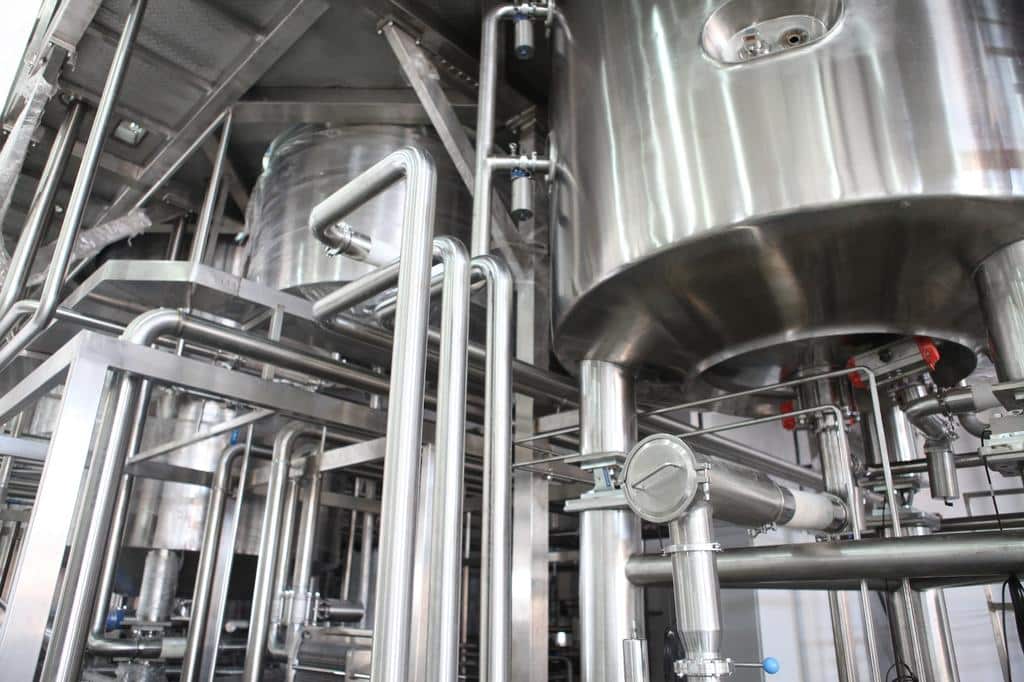
1. Stainless Steel: The All-Rounder
Stainless steel is renowned for its corrosion resistance, making it ideal for use in environments prone to moisture and chemicals. Its alloy composition of iron, chromium, nickel, and other elements provides a protective layer that prevents rust and maintains its integrity over time.
From kitchen appliances to medical instruments and architectural frameworks, stainless steel’s versatility is unmatched, especially in urban settings where durability and aesthetic appeal are equally important.
2. Polycarbonate: The Impact Resistor
When considering materials like a polycarbonate sheet near me, its exceptional impact resistance is worth noting. Polycarbonate, a robust plastic, excels in environments where durability under impact is crucial. Its high impact resistance makes it suitable for safety helmets, bulletproof glass, and riot shields.
Additionally, its transparency and lightweight nature make it ideal for greenhouse panels, allowing light transmission while protecting plants from extreme weather conditions. Moreover, its UV resistance and flame-retardant properties make it a top choice for outdoor signage and electrical enclosures, offering both durability and safety in demanding environments.

3. Kevlar: The Lightweight Protector
Kevlar, a synthetic fibre, is synonymous with high-strength applications. Its high tensile strength-to-weight ratio makes it five times stronger than steel, yet it remains significantly lighter. Kevlar is widely used in body armour, racing sails, and sports equipment.
Kevlar’s ability to absorb impact and resist wear and tear makes it perfect for protective gear in high-risk environments like construction sites and law enforcement operations. Its versatility extends to everyday items like smartphones, ensuring they remain intact even in the event of a fall.
4. Graphene: The New Age Material
Graphene is a one-atom-thick layer of carbon atoms arranged in a hexagonal lattice. It’s renowned for its exceptional strength, conductivity, and flexibility. This material is making waves in various sectors, including electronics, where it’s used in flexible screens and improved battery technologies.
Graphene’s heat and electricity conductive properties in harsh environments make it an ideal choice for protective coatings and enhanced material performance. In addition, its impermeability to gases and liquids makes it valuable in creating barriers against corrosion and chemical damage in industrial settings.

5. Silicone Rubber: The Environmental Shield
Silicone rubber, known for its flexibility and resilience, stands out in extreme temperatures and conditions. Silicone maintains its properties across a wide temperature range, from freezing cold to scorching heat. It’s widely used in seals, gaskets, and insulation, particularly in the automotive and aerospace industries.
Its resistance to weathering, ozone, and UV light makes it a reliable choice for outdoor applications, ensuring longevity and performance. Furthermore, its inert nature and biocompatibility make silicone rubber suitable for use in medical devices and implants, adding a layer of safety and reliability in the healthcare sector. One can also consider temperature-resistant medical-grade plastics as an alternative.
Embracing Material Strengths: A Key to Endurance
Protective materials are as diverse as the environments they are designed to safeguard. Each material, from multifaceted stainless steel to futuristic graphene, offers unique attributes that make it indispensable in its respective applications.
Understanding and utilising these materials effectively is crucial in creating structures, products, and solutions that are enduring, safe, and efficient. The strengths of these innovative materials pave the way toward a resilient and adaptable future.


