
When designing and installing railing systems, reliability and sturdiness are of utmost importance. Whether it’s for a residential balcony, a commercial staircase, or an outdoor deck, a sturdy railing not only enhances the visual appeal of the space but also serves as a critical safety feature. In order to design a durable and reliable railing system, it is crucial to comprehend and integrate key components that enhance its strength and dependability, resulting in long-lasting protection.
This article will explore the fundamental elements necessary for creating a reliable and sturdy railing system. From the selection of high-quality materials and construction techniques to strong anchoring and compliance with safety standards, each component plays a crucial role in determining the overall durability and dependability of the railing.
Architects, builders, and homeowners can guarantee the production of a durable and aesthetically pleasing railing system by comprehending and implementing these crucial factors. In this discussion, we will delve into these vital components and understand their role in enhancing the reliability and strength of railing systems.
High-Quality Materials and Construction Techniques
The choice of materials and construction techniques plays a vital role in determining the durability and reliability of railing systems. Opting for high-quality materials such as stainless steel, aluminum, or wrought iron can significantly enhance the strength and longevity of the railing. These materials are known for their resistance to corrosion, rust, and weathering, making them ideal for outdoor applications.
In addition to selecting robust materials, employing effective construction techniques is equally important. Welding, for instance, is a popular method for joining metal components in railing systems. Properly executed welds provide strong and secure connections that can withstand heavy loads and impacts. A professional needs to learn combination welding techniques to create reliable and sturdy railing systems.
Precision in measurements and alignments during construction ensures the railing system is stable and reliable. Also, incorporating tube clamps for safety railings adds an extra layer of security to the construction. It ensures easy installation and maintenance while offering a streamlined aesthetic to the overall railing design.
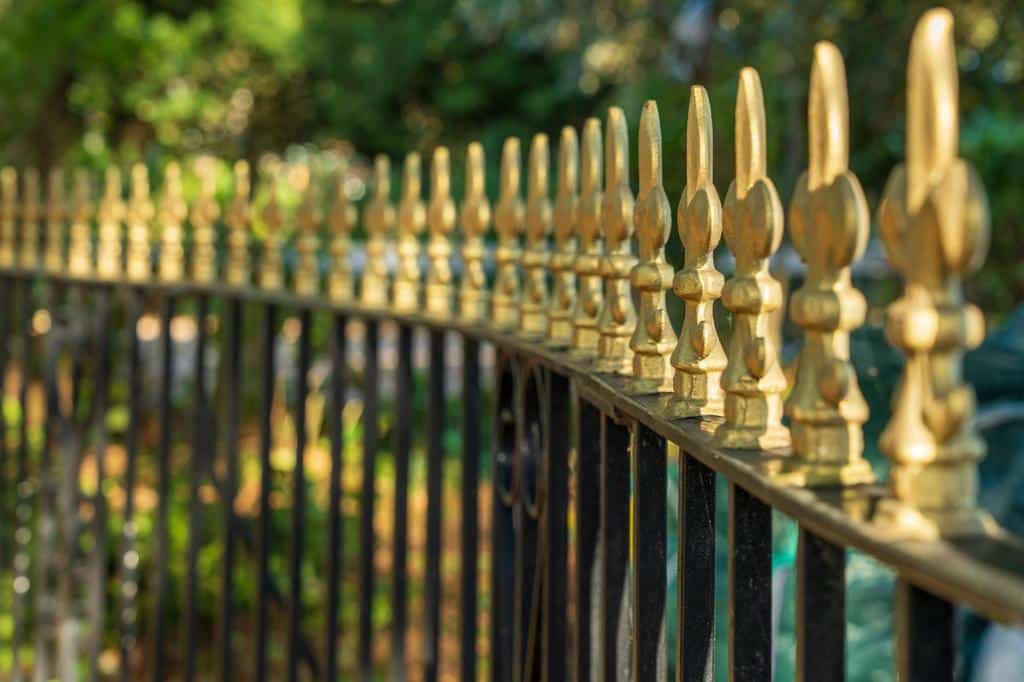
For those looking to enhance both security and visual appeal, an aluminum fence is a great choice, offering durability, low maintenance, and a sleek, modern look.

Strong and Secure Anchoring
Anchoring is a critical component of any railing system, as it ensures that the railing remains firmly attached to its supporting structure. The strength and stability of the anchors directly impact the overall reliability of the railing. For outdoor applications, such as decks or balconies, the anchoring points should be carefully chosen to ensure they can withstand the elements and bear the weight of individuals leaning on the railing.
One common anchoring technique is the use of post anchors, which securely attach the railing posts to the underlying surface. These anchors should be made of robust materials, such as galvanized steel, and properly installed to ensure a solid connection. Furthermore, the number, and spacing of the anchor points should be determined based on the anticipated load and local building codes to ensure maximum safety and reliability.
Rigorous Testing and Compliance with Safety Standards
In order to guarantee the dependability and durability of a railing system, it is crucial to submit it through thorough testing and ensure its adherence to pertinent safety regulations. Independent testing facilities have the capability to conduct a range of tests to assess the robustness, stability, and resilience of the railing system when exposed to various forces and conditions.
Additionally, adhering to established safety standards, such as those set by the International Building Code (IBC) or local building regulations, is crucial. These standards outline specific requirements for railing systems, including height, spacing, and load-bearing capacity. Complying with these standards helps to ensure that the railing system is designed and constructed to withstand anticipated loads and maintain its reliability over time.
Enhancing Structural Integrity with Reinforcements
To further enhance the reliability and sturdiness of railing systems, the incorporation of reinforcements is a crucial aspect to consider. Reinforcements provide additional strength and structural integrity, especially in areas prone to heavy loads or impacts. One common reinforcement technique is the use of diagonal braces or struts. These components are strategically placed to provide lateral support and prevent excessive swaying or movement of the railing system. By reinforcing key sections of the railing, the overall stability and longevity of the system can be significantly improved.
Protective Coatings for Long-Term Durability
To ensure long-term durability and resistance to environmental factors, applying protective coatings to railing systems is essential. These coatings are a barrier against moisture, UV rays, and corrosive elements, thereby preventing damage and preserving the integrity of the materials. Powder coating, for example, is a popular choice as it provides a durable and attractive finish. The coating is applied electrostatically and then cured under heat, resulting in a tough, chip-resistant surface. Railing systems can preserve their strength and reliability for a longer duration, even in tough outdoor conditions, through the utilization of protective coatings.
Regular Maintenance and Inspections
While the initial design and construction of a reliable and sturdy railing system are vital, ongoing maintenance and inspections are equally important for long-term dependability. Regular inspections help identify any signs of wear, damage, or loose components that may compromise the strength and stability of the railing. Routine maintenance, such as cleaning, lubrication, and tightening of fasteners, should be carried out to prevent deterioration and ensure that the railing system remains in optimal condition. Maintaining the reliability and durability of the railing system can be achieved by remaining vigilant and promptly addressing any issues that arise.

Innovative Design Features for Enhanced Safety
In addition to the foundational components discussed earlier, incorporating innovative design features can further enhance the safety aspect of railing systems. One such feature is the integration of a secondary handrail or grab rail. This additional rail, positioned at a lower height, provides an extra point of contact for users, especially those with mobility challenges or who may require additional support. The secondary handrail can improve stability and accessibility, offering peace of mind and ensuring that the railing system caters to a wider range of users.
Furthermore, innovative design elements, such as anti-climb features, like closely spaced vertical pickets or ornamental patterns, can deter unauthorized access and improve overall security. By integrating these cutting-edge design elements, railing systems can not just fulfill safety standards but also establish an all-encompassing and safeguarded setting accessible to all.
Conclusion
To sum up, the reliability and durability of a railing system are crucial for safety and aesthetics. By including important factors like top-notch materials, secure anchoring, adherence to safety standards, reinforcements, protective coatings, consistent upkeep, and inventive design elements, the overall strength and trustworthiness of the system can be significantly improved. Giving priority to these aspects guarantees that the railing system not only satisfies safety regulations but also offers long-lasting robustness and assurance for users. Investing in a dependable and sturdy railing system is a valuable project that establishes a secure and visually pleasing area while promoting safety for everyone.


