
Startup Noya Labs is looking to turn as many of the roughly two million cooling towers at industrial sites across America into CO2-sucking weapons to use in the combat against climate change.
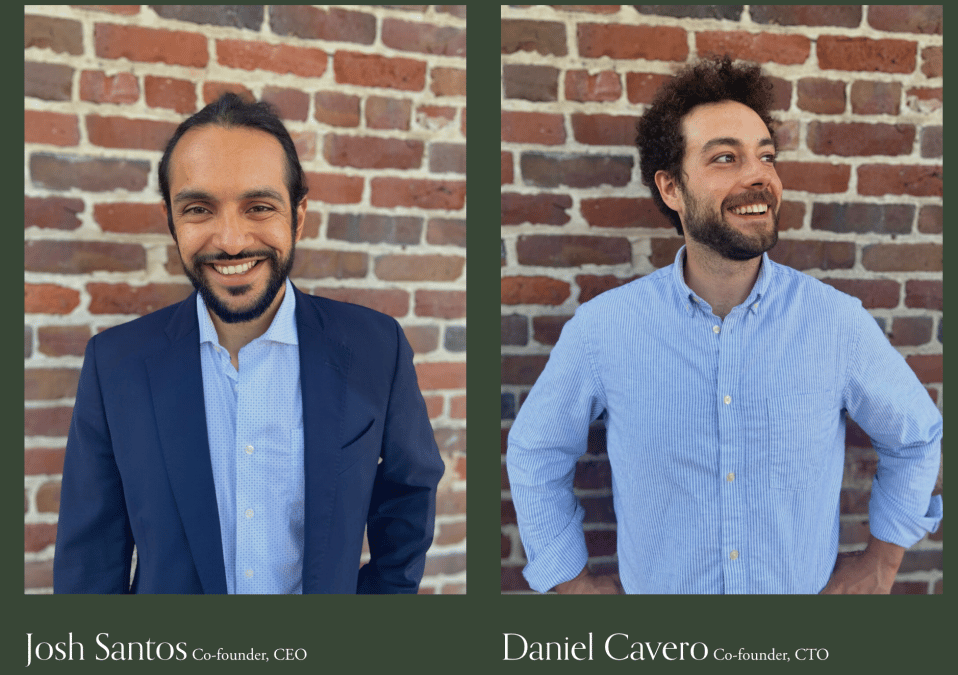
When the company’s founders, Daniel Cavero and Josh Santos, began developing prototypes of the device that attaches to the water coolers, they built them in their backyard. After proving that their contraption – a creepy-looking 55-gallon oil drum accompanied by a yellow refrigeration tank in sous vide bath linked to red and blue cables – worked, they dove all in on the idea.
Santos said:
We proved that it could capture CO2, and we achieved something that no startup should achieve.
An article about how some plants are experiencing a declining ability to capture CO2 moved them to start backyard experiments with direct air capture. They immediately jumped on the opportunity to improve the technology and began exploring the ins and outs of carbon chemistry.
The duo’s first product was a consumer air purifier to be used in homes. It would pull carbon dioxide from the air and capture it. Homeowners could then sell the gas to Noya Labs, who would resell it to companies that use it to make products. And while the device worked, the two realized that the business model wasn’t economical, so they decided to change the product.
They eventually figured out the best solution; to use the device in industrial cooling towers, turning the structures into CO2-capturing machines that can take in between half a ton and a ton of CO2 daily.
Santos said:
One of the things that make us excited about this technology is that in the U.S. alone, there are 2 million cooling towers. Looking conservatively — if our initial pilot plant can capture 1 ton per day — we’re at right over half a gigaton of CO2 capture.
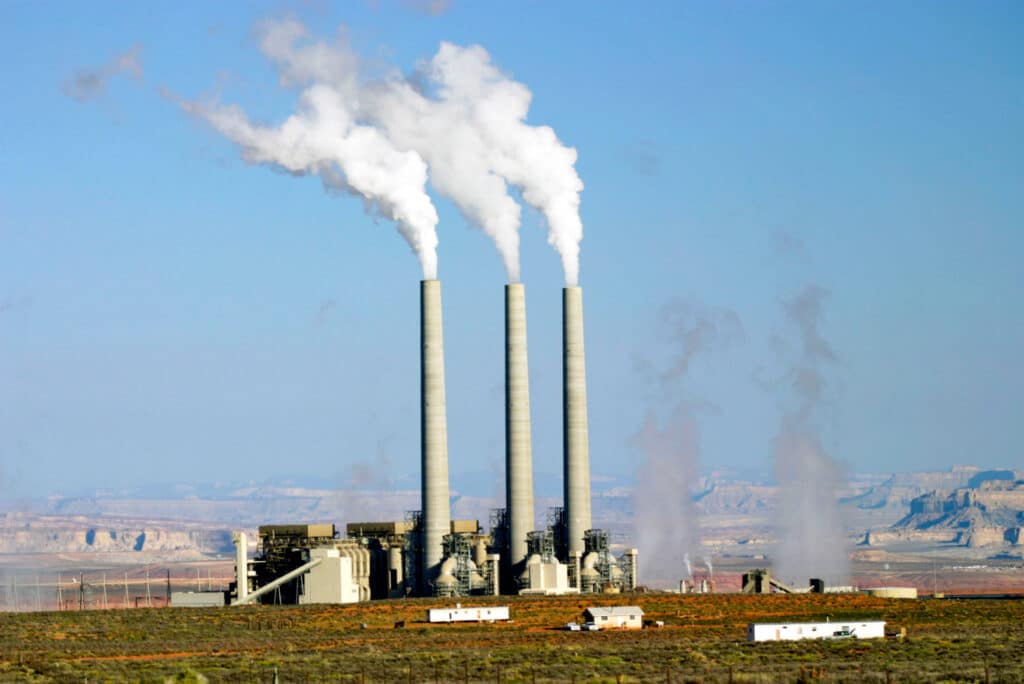
The technology works by adding an attachment to the cooling towers and a blend of CO2-absorbing chemicals to the towers’ water. The water sucks in the carbon dioxide while the attachment activates a “regeneration process” to convert the captured carbon back into gas. Noya can then resell that captured gas to industrial CO2 consumers.
The concept works within a circular economy model. Still, it’s not green because the CO2 is recirculated instead of sequestered—nevertheless, it’s cleaner than existing sources of consumer CO2, which comes from ethanol and ammonia plants.
Santos said:
Five years from now, we fully intend to have vertically integrated carbon capture and sequestration. Our first step is locally produced low-cost atmospherically captured CO2. If we were to go all-in on carbon capture, that would require a lot of time to develop. What this initial model allows us to do is fine-tune our capture technology while building up long-term to go to market.
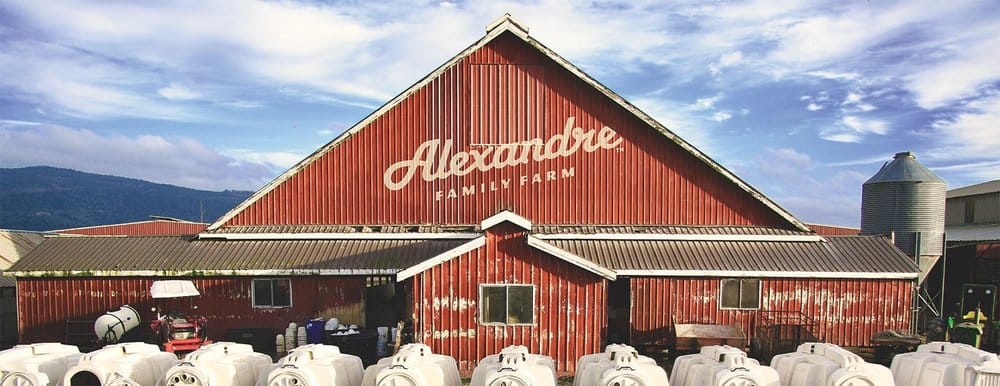
Noya Labs is currently developing a pilot plant with the Alexandre Family Farm. To do so, it raised $1.2 million from Chris Sacca’s Lower Carbon Capital and Fifty Years, the frontier tech investment firm founded by Seth Bannon and Ela Madej. Lower Carbon Capital is in Y Combinator, and its mission is to invest in companies that’ll buy time to “unf*CK the planet.”
Bannon of Fifty Years says the company passes his “Mr. Burns test.” He wrote in an email to Tech Crunch:
By leveraging existing industrial equipment, their model is profitable. And better yet, they make their carbon capture partners money, allowing them to scale this up fast. This creates an opportunity to remove 1 gigaton-plus a year profitably.
https://twitter.com/sethbannon/status/1214215295969030148?s=20
There are several companies already ready and willing to buy the CO2 that Noya would sell. A growing selection of startups need CO2 to make their products. For example, SkyDiamonds, and Aether Diamonds, use it to make diamonds; Air Co. uses it to make vodka, Dimensional Energy or Prometheus Fuels uses it to make synthetic fuels, and Opus12 uses it as a replacement for petrochemicals.
Meanwhile, University of Michigan researchers figured out how to use CO2 to make green methane, and A group from the University of New South Wales used it to make fuels and plastics.
According to Santos, current Direct Air Capture companies sell their CO2 for about $600 to $700 per ton, and overall commercial CO2 prices range from $125 per ton to $5,000 per ton. But Noya can sell it much cheaper because it’ll produce it at less than $100 per ton.


