
Hearing is one of our most essential senses, connecting us to the world through sound. Yet, hearing loss often goes unnoticed until it significantly impacts our daily lives. This is where audiology consultations become invaluable.
Audiology is the science of hearing, and audiologists are experts trained to assess, diagnose, and manage hearing issues. By seeking regular audiology consultations, individuals can maintain optimal hearing health, detect early signs of hearing loss, and receive personalized treatment. In this article, we’ll explore why these consultations are crucial for hearing health, from early detection to effective treatment options.

The Importance of Early Detection
One of the key reasons audiology consultations are vital is that they allow for the early detection of hearing loss. Hearing issues often develop gradually, making them difficult to notice until they reach an advanced stage. However, even minor hearing loss can affect communication, social interactions, and overall quality of life. Regular audiology consultations can help detect hearing problems before they worsen.
Early detection also means that corrective measures can be taken promptly. Whether it’s through hearing aids, assistive listening devices, or other treatments, addressing hearing loss early helps prevent further deterioration. Audiologists use specialized equipment and tests to assess hearing function accurately. With regular consultations, individuals can monitor their hearing health and take action as soon as any changes are detected. This proactive approach leads to better long-term hearing outcomes.
Personalized Treatment Plans
Another critical benefit of audiology consultations is the personalized treatment plans they offer. Every individual’s hearing needs are unique, and a one-size-fits-all approach does not work for hearing loss. Audiologists take the time to assess each person’s hearing situation and develop a treatment plan tailored to their specific needs. This may include hearing aids, cochlear implants, or alternative solutions based on the severity and type of hearing loss.
During a consultation, an audiologist will discuss various treatment options and help the patient decide on the best course of action. For instance, hearing aids come in different styles and technologies, each suited to different types of hearing loss. An audiology consultation ensures that the chosen device matches the patient’s lifestyle and preferences. In addition to devices, an audiologist might recommend auditory training exercises or other therapies to enhance hearing function. By working closely with an audiology service provider, individuals receive ongoing care and adjustments to their treatment plan as needed. Hearing loss can evolve over time, and treatment may require modifications to remain effective. This personalized care ensures that individuals maintain optimal hearing performance and improve their quality of life. Audiology consultations go beyond just diagnosing hearing loss—they provide a comprehensive, tailored approach to hearing health.

Monitoring Hearing Health Over Time
Hearing health is not static; it changes as we age and as we experience different environments. Audiology consultations are essential for monitoring these changes over time. Whether someone is experiencing age-related hearing loss or has been exposed to loud noises over a prolonged period, regular consultations ensure that any shifts in hearing are identified and addressed.
Audiologists recommend that individuals, particularly those over the age of 50 or those with a history of noise exposure, undergo annual hearing evaluations. These evaluations serve as benchmarks, allowing audiologists to track hearing changes and take action when necessary. For people who use hearing aids or other hearing devices, regular consultations are crucial for making adjustments to the devices, ensuring they continue to meet the individual’s needs.
Preventing Further Hearing Loss
Preventing further hearing loss is another significant reason for seeking audiology consultations. Hearing loss, once it begins, can be progressive. Without intervention, mild hearing loss can become moderate or severe. Audiologists play a critical role in preventing this progression by educating patients on how to protect their hearing.
Many people are unaware of the everyday noises that can damage their hearing. From attending concerts to working in noisy environments, prolonged exposure to loud sounds can accelerate hearing loss. Audiologists offer practical advice on protecting hearing in these situations, such as using ear protection or taking breaks from noisy environments. They can also provide strategies for maintaining hearing health, such as reducing exposure to loud noises or using noise-canceling technology in daily life.

Improved Communication and Quality of Life
The impact of hearing loss extends beyond physical health; it also affects emotional and social well-being. Untreated hearing loss often leads to frustration, isolation, and depression. Individuals may withdraw from social situations due to difficulties in communication, leading to strained relationships with family, friends, and colleagues. Audiology consultations help improve communication and, consequently, enhance overall quality of life.
When hearing issues are addressed, individuals can reengage with their communities, participate in conversations more easily, and feel more confident in social settings. Hearing aids and other assistive devices restore the ability to hear clearly, reducing misunderstandings and improving interactions. Audiologists provide the devices and counseling needed to adjust to life with hearing aids or cochlear implants.
Addressing Tinnitus and Other Hearing-Related Issues
Hearing health is not just about hearing loss; it also encompasses other auditory issues like tinnitus (ringing in the ears), ear infections, and balance disorders. Audiology consultations provide a comprehensive evaluation of all hearing-related problems, offering solutions and management strategies for conditions beyond hearing loss.
Tinnitus, for example, affects millions of people worldwide and can be debilitating if left unmanaged. Audiology consultations provide crucial evaluations for individuals experiencing tinnitus. These sessions enable audiologists to assess the condition’s severity and tailor treatment plans to each patient. Options such as sound therapy, tinnitus retraining therapy (TRT), and specialized hearing aids are available. These interventions aim to reduce the perception of ringing in the ears, offering a pathway to improved auditory health and quality of life.
Regular appointments with an audiologist ensure that you receive the most effective and personalized care for managing tinnitus symptoms. Audiologists can also address balance issues related to the inner ear, which can lead to dizziness or vertigo. By addressing these additional hearing-related issues, audiology consultations offer a holistic approach to hearing health, ensuring that all aspects of auditory function are considered and treated appropriately.
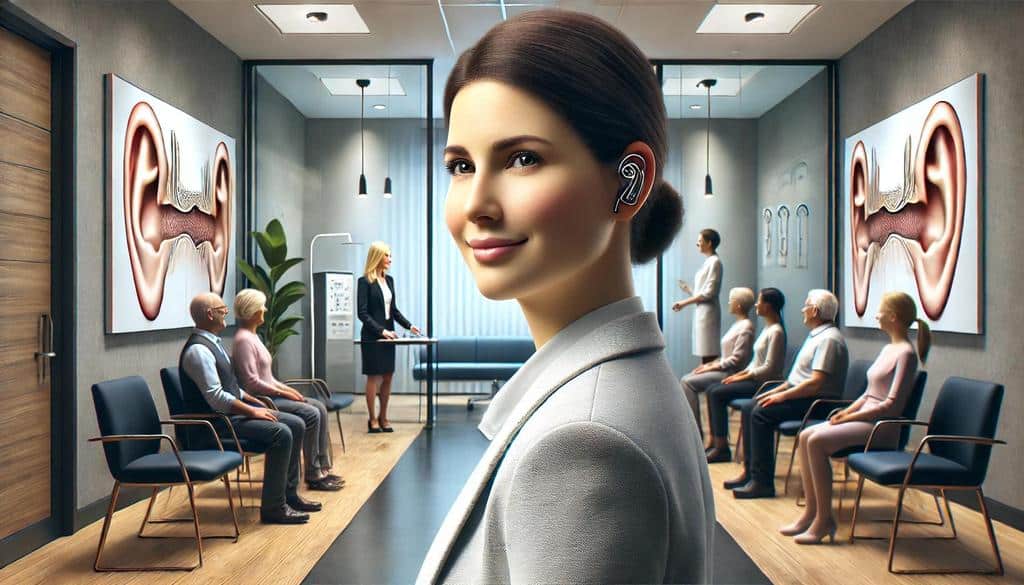
Importance of Audiology Consultations: Your Path to Optimal Hearing Health
In conclusion, audiology consultations play a fundamental role in preserving optimal hearing health. These appointments are crucial for the early detection of hearing loss. They also enable the development of personalized treatment plans and facilitate the ongoing monitoring of hearing health. By doing so, they help prevent further auditory damage, ensuring comprehensive care for this essential sense.
For individuals facing hearing loss, tinnitus, or balance disorders, consistent consultations with an audiologist are vital. These sessions ensure access to top-tier care. Adopting a proactive approach to hearing health allows individuals to improve communication, maintain cognitive function, and significantly enhance life quality.


