
Indoor fireplaces have a magnetic allure, offering not just warmth but also ambiance and comfort to any living space. But behind their cozy glow lies a careful construction process that involves several essential elements. In this guide, we’ll delve into the key components necessary for building a safe and efficient indoor fireplace, ensuring that warmth truly begins in your home.
Before you start building, it’s crucial to plan meticulously. Consider the layout of your home and the available space for your fireplace. A well-placed fireplace can serve as a focal point, enhancing your living space’s overall design and flow. Effective planning ensures that your fireplace not only fits seamlessly into your space but also meets all safety requirements. By taking the time to strategize beforehand, you can create a functional and aesthetically pleasing fireplace that enhances your home environment.
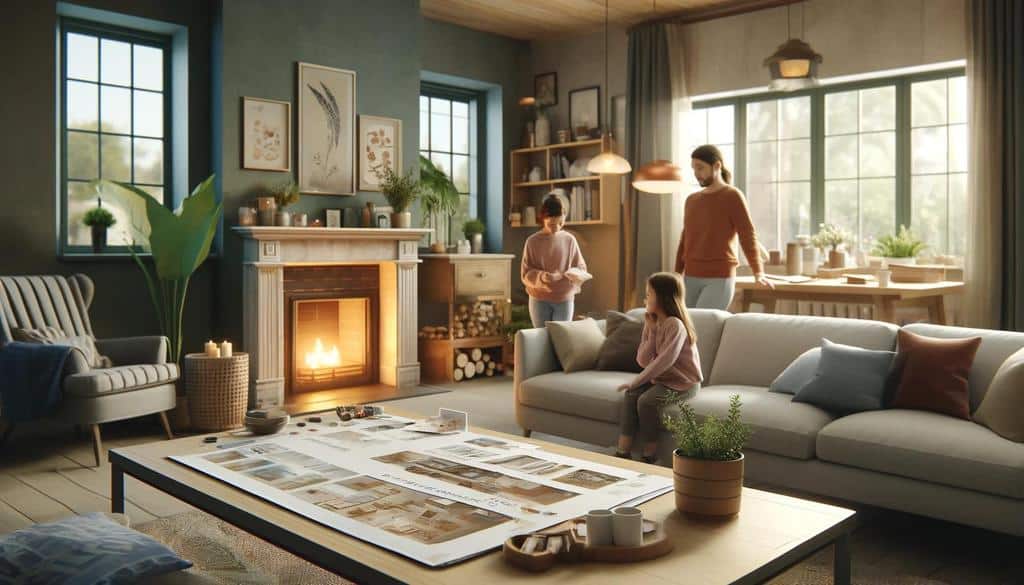
Planning Your Fireplace
Part of this planning process is checking local building codes and regulations to ensure compliance and obtain any necessary permits. Failure to adhere to these regulations could result in fines or even the need to dismantle your fireplace. Take the time to research and understand these requirements before beginning construction.
Exploring various design options is another essential aspect of the planning phase. A diverse range of fireplace styles are available, spanning from classic brick hearths to contemporary and polished designs. For homes with period character, incorporating traditional features like Victorian Fireplaces can beautifully balance heritage and function. Consider the architectural style of your home and your personal preferences when choosing the right design for your fireplace. Remember that the design you choose will impact not only the aesthetic appeal of your home but also its functionality and efficiency.
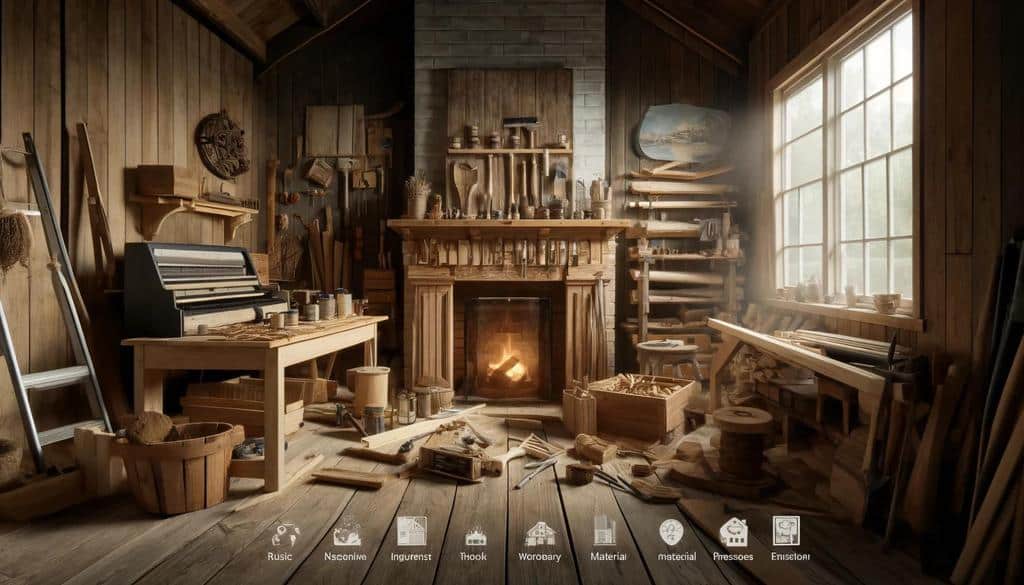
Essential Components of an Indoor Fireplace
Firebox
At the core of your fireplace is the firebox, where the flames dance and the warmth emanates. When selecting materials for the firebox, it’s essential to choose options that can withstand high temperatures and provide excellent heat retention. Common materials for firebox construction include brick, stone, and metal. Each material offers unique benefits in terms of durability, aesthetics, and heat resistance.
Proper sizing and placement of the firebox are also critical factors to consider. The size of the firebox will impact its heating capacity and efficiency, so it’s essential to choose dimensions that are appropriate for the size of your room. A firebox should be installed in a location that allows for optimal airflow and ventilation, ensuring that smoke is efficiently drawn out of the chimney.
Chimney
The chimney plays a critical role in directing smoke safely out of your home. One essential component of the chimney is the flue liner kit. These kits ensure proper ventilation and prevent the buildup of harmful gases like carbon monoxide. Flue liner kits come in various materials, including stainless steel and clay, each offering unique benefits in terms of durability and heat resistance.
Installing a flue liner kit is a complex process that a professional should do to ensure proper fit and function. The kit consists of a series of clay or metal liners that are inserted into the chimney and connected to the fireplace. These liners act as a shield, separating the hot gases from the fire and any flammable materials in your house, minimizing the chances of chimney fires and carbon monoxide seepage.
Hearth
The hearth adds both aesthetic charm and a protective barrier, shielding your floors from the heat emitted by the fireplace. When selecting materials for the hearth, choose options that can withstand high temperatures and complement your overall design aesthetic. Common materials for hearth construction include brick, stone, tile, and concrete. Be sure to adhere to clearance requirements to maintain safety standards and prevent the risk of fire.
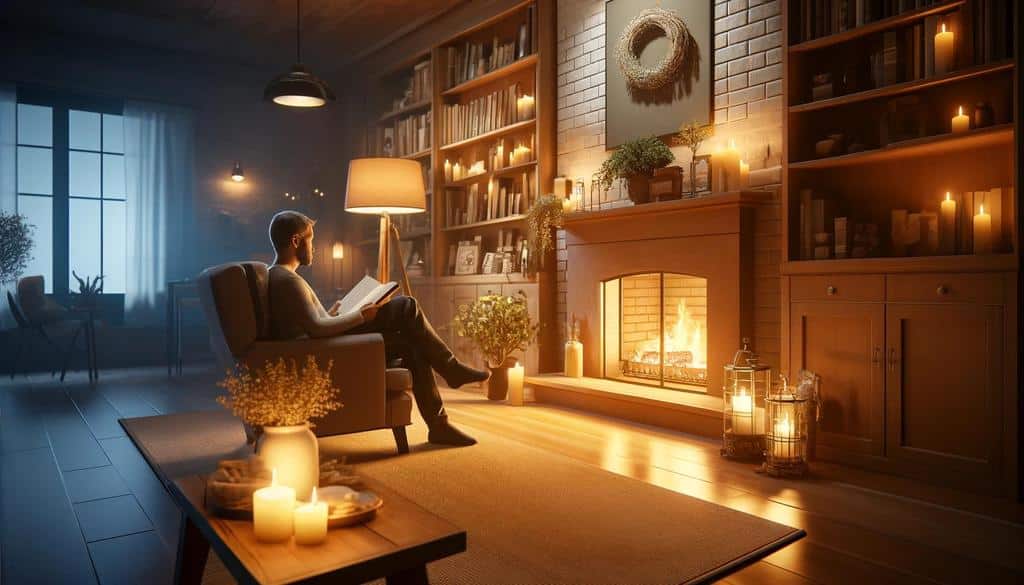
Building Your Fireplace
Once you’ve planned and gathered the necessary materials, it’s time to start building your fireplace. Begin by laying the foundation and support structures according to your design specifications. Construct the firebox, ensuring a snug fit and proper insulation to maximize heat retention. Install the chimney, carefully following manufacturer guidelines to ensure adequate ventilation and draft. Finally, add finishing touches like the hearth, mantel, and surround to complete the look.
Building a fireplace requires precision and attention to detail, so it’s essential to follow all instructions carefully and use the proper tools and materials. If you need clarification on any aspect of the construction process, feel free to seek guidance from a professional fireplace installer or contractor.
Safety Measures and Maintenance
Safety should always be a top priority when operating a fireplace. Follow best practices for fire prevention, such as using a fireplace screen and keeping flammable materials away from the hearth. Schedule regular maintenance checks to ensure that your fireplace is in good working condition, including cleaning the chimney and inspecting for any signs of damage. Place carbon monoxide and smoke detectors in close proximity to your fireplace to warn you of any possible dangers.
In addition to regular maintenance, it’s essential to be aware of the signs of chimney problems and address them promptly. Common issues include creosote buildup, chimney leaks, and draft problems. If you notice any signs of trouble, such as smoke backing up into your home or water stains on the ceiling near the chimney, contact a professional chimney sweep or contractor for an inspection.
Build an Indoor Fireplace: Warmth and Homely Character
Building an indoor fireplace is a rewarding endeavor that adds both warmth and character to your home. By understanding the essential elements involved and following proper construction and safety guidelines, you can create a cozy retreat that brings joy and comfort to your family for years to come. So, let the warmth begin in your home, and may your fireplace be a source of pleasure and relaxation for all who gather around it.


