
Building your workshop is a thrilling endeavor that creates a sense of empowerment and self-sufficiency. Whether you’re an avid woodworker, a car enthusiast, or a DIY enthusiast, having a dedicated space for your projects can be a game-changer. But, to create a workshop that truly meets your needs and allows you to work efficiently, you need a well-thought-out plan. In this comprehensive guide, we’ll walk you through the essential steps to build your workshop like a pro. From defining your workshop’s purpose and goals to choosing the right location, selecting materials, and outfitting it with the best tools, we’ve got you covered.
Define Your Workshop’s Purpose and Goals
Before you roll up your sleeves to transform an existing space into a workshop, it’s crucial to define your workshop’s purpose and goals. This step is the foundation upon which your entire project will be built. For instance, if you plan to create a woodworking haven, consider your specific needs. Do you need ample space for large lumber storage, a dust-free finishing area, and a sturdy workbench? If you’re aiming to build a metal building for automotive repairs, think about the equipment and tool storage requirements. Identifying your workshop’s purpose will guide your design choices, such as layout and equipment, ensuring they align perfectly with your goals.
Choosing the Right Location
Selecting the right location for your workshop is a vital decision. The ideal location should provide convenience, safety, and accessibility. Consider proximity to your home, as a closer workshop will encourage you to spend more time on your projects. If you’re building a metal building, ensure it complies with local zoning regulations and building codes. Keep in mind that your workshop should be well-ventilated, adequately lit, and free from any environmental hazards. A location with a concrete floor, like a garage or basement, can be an excellent choice for its durability and ease of cleanup.
Designing an Efficient Layout
Designing an efficient layout for your workshop is akin to orchestrating a symphony of productivity. It’s the stage where your tools, workstations, and materials harmonize to create a seamless workflow. Imagine building a woodworking shop with tools strategically placed to minimize the number of steps you take between tasks. Or, in the case of an automotive repair workshop, arrange your tools and equipment for quick access and smooth transitions. A well-thought-out layout enhances not only your efficiency but also your overall experience in the workshop. It’s about optimizing your workspace to allow you to focus on your craft rather than wrestling with a chaotic and disorganized environment.
Selecting the Right Materials
Whether you’re building from scratch or renovating an existing space, selecting the right materials is crucial. If you’re constructing a metal building, the choice of metal and its thickness will impact its durability and insulation. For wooden structures, you’ll need to pick the appropriate lumber, such as pressure-treated wood, for outdoor structures. Additionally, consider the insulation and waterproofing materials to ensure comfort and energy efficiency. High-quality materials not only enhance the longevity of your workshop but also provide a safe and comfortable environment for your projects.
Outfitting Your Workshop with the Best Tools
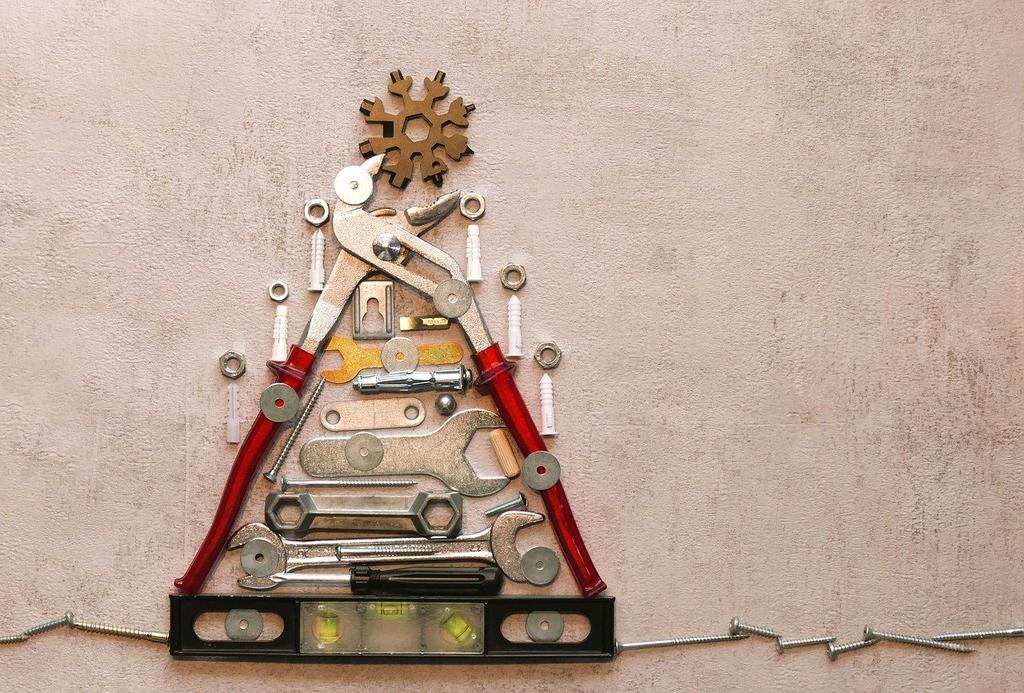
Outfitting your workshop with the best tools is a critical step in ensuring productivity and the quality of your projects. The right tools are your trusted companions in the world of DIY and craftsmanship, making tasks more manageable and efficient. Whether you’re delving into woodworking, metalworking, or any other discipline, carefully selecting high-quality tools tailored to your needs is essential. Invest in well-crafted tools that not only feel comfortable in your hand but also endure the test of time.
From saws, drills, and sanders to welding equipment and precision instruments, having the right tools at your disposal significantly enhances your capabilities. It allows you to tackle a wide range of projects with confidence. A well-equipped workshop is not just a place to work; it’s a haven of possibility and creativity, and the tools you choose are the key to unlocking that potential.
Creating a Comfortable and Safe Environment
Creating a comfortable and safe environment within your workshop is paramount to ensure productive and enjoyable work. Adequate lighting is essential, as it eliminates shadows and promotes precision. Install bright LED lighting fixtures strategically to cover your workspace effectively. Proper ventilation is equally crucial, as it helps disperse fumes and dust and maintains a comfortable temperature. Remember to invest in safety measures, such as fire extinguishers, first-aid kits, and personal protective equipment like goggles, ear protection, and dust masks. To prevent accidents, organize your tools and materials efficiently, ensuring they are easily accessible but stored securely. Regular inspections of your electrical systems and adherence to safety codes are non-negotiable. By creating a comfortable and safe environment, you can work with peace of mind and focus on your projects without unnecessary distractions or hazards.
Personalizing Your Workshop
Personalizing your workshop is the final, perhaps most enjoyable, step in creating your ideal workspace. This is where you get to infuse your unique personality and creativity into the environment. Adding personal touches can transform your workshop from a functional space into a place that truly feels like your own. Hang up your completed projects, showcase your achievements, and decorate with items that reflect your interests and passions.
Whether it’s your favorite color scheme, motivational posters, or even a gallery of inspirational quotes, these personal touches not only make your workshop visually appealing but also provide a constant source of motivation and inspiration. Personalization turns your workshop into a haven where you can comfortably pursue your projects while feeling a deep connection to the space.
Building your workshop like a pro involves careful planning, from defining its purpose and goals to selecting the right location, materials, tools, and safety measures. By following the steps outlined in this ultimate guide, you can create a workshop that not only meets your specific needs but also becomes a source of pride and productivity. Whether you’re building a metal building or renovating an existing space, remember that your workshop is a place where creativity and craftsmanship come together, and it’s worth investing the time and effort to make it the best it can be. Happy building!

