
Growing cantaloupes indoors might seem challenging, but with the right tools and techniques, it’s a rewarding experience that any gardening enthusiast can undertake. I’ve been growing cantaloupes and other fruits and vegetables indoors for years, and I’m excited to share my insights, especially on using LED grow lights, to help you cultivate your juicy cantaloupes.
Choosing Your Seeds
Before you start, it is important to select the appropriate cantaloupe seeds for your indoor gardening carefully. When choosing the seeds, consider opting for varieties that are specifically known to thrive indoors. One helpful tip is to explore various gardening forums and websites. They provide a vast array of valuable information regarding different plant varieties. These online platforms are excellent resources for gathering recommendations and insights from experienced gardeners. They can advise on which cantaloupe seed varieties are best suited for indoor cultivation.
Preparing Your Planting Space
To successfully engage in indoor gardening, it is essential to provide adequate space for your plants to flourish and thrive. Ensuring that your cantaloupes have ample room to grow is paramount, as these plants can reach impressive sizes! Furthermore, it is crucial to consider the temperature and humidity levels of your indoor gardening space. Creating a warm and humid environment is highly beneficial for the optimal growth and development of cantaloupes, as they truly thrive in such conditions.
The Importance of Soil and Planters
When it comes to preparing the soil, it is important to use a well-draining and nutrient-rich mix. I highly recommend adding some compost to the soil to give the seedlings a healthy start. This will provide essential nutrients and improve the overall soil structure. Additionally, it is crucial to choose spacious planters to accommodate the cantaloupe’s extensive root system.
Adequate space will allow the roots to spread out and establish a strong foundation for the plants to thrive. Furthermore, the planters need to have good drainage. This will prevent waterlogging and ensure that excess water can easily escape, avoiding the risk of root rot. Remember, providing the right soil conditions and proper planter selection are key factors in promoting healthy growth and successful cultivation of cantaloupes.
Planting Your Seeds
Now, it’s time to plant your seeds and start the exciting process of growing your cantaloupes. To ensure successful germination, follow these steps. Begin by preparing the soil in your garden or container. Dig a small hole, approximately half an inch deep, and gently place the cantaloupe seeds inside.
Giving them enough space to grow and develop into healthy plants is important. Once the seeds are in place, lightly cover them with soil and gently water them. Maintaining the right moisture level is crucial for their growth, so remember to keep the soil moist but not waterlogged. You can do this by watering them regularly and monitoring soil moisture levels.
To further enhance the germination process, it’s recommended to keep the seeds at an optimal temperature. Cantaloupe seeds tend to germinate best when exposed to temperatures between 80-90°F (27-32°C). Therefore, choosing a warm and sunny spot in your garden or providing them with the necessary heat indoors is a good idea. Creating the ideal environment for your cantaloupe seeds will increase the chances of successful germination and ultimately allow you to enjoy a bountiful harvest of delicious cantaloupes.

Introducing LED Grow Lights
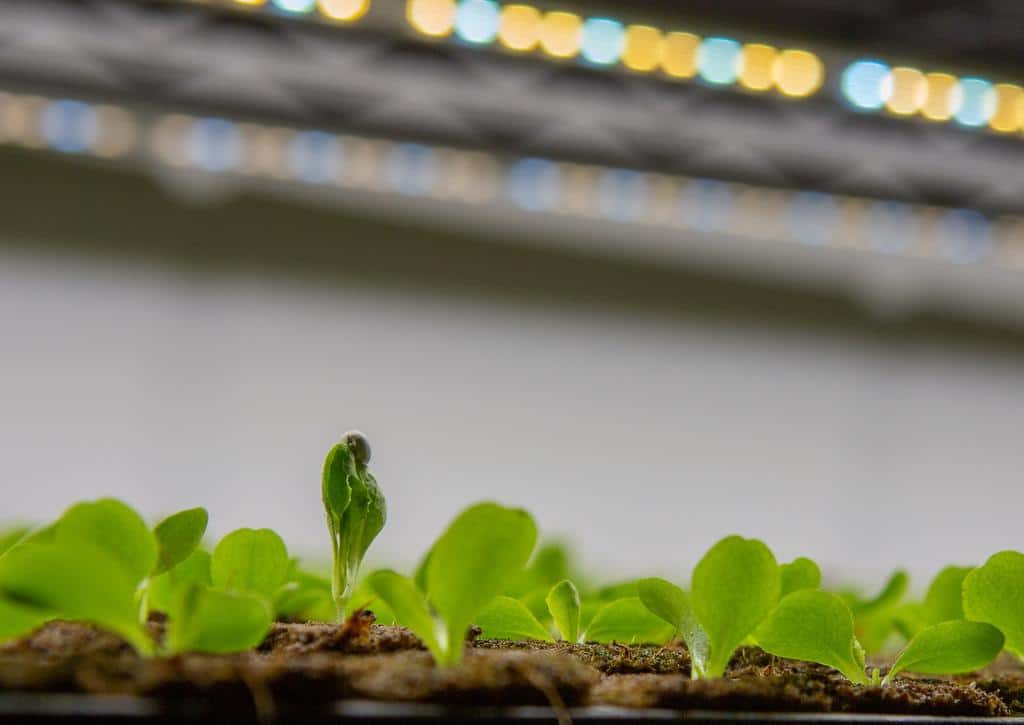
Here’s where LED grow lights come in. These lights are a game-changer for indoor gardening. They provide the necessary light spectrum for plants to photosynthesize and thrive indoors. Brands like Batagrowlight and Boyagrowlight are well-known for their quality LED grow lights.
Setting Up Your LED Grow Lights
Properly positioning your LED grow lights is important to ensure optimal growth for your plants. Hanging the lights right from your plants is crucial for their well-being. If the lights are placed too close, there is a risk of burning the plants due to excessive heat. On the other hand, if the lights are too far away, your plants may not receive sufficient light energy for photosynthesis.
As a general guideline, keeping the LED grow lights approximately 18-24 inches above your plants is recommended. This distance allows for an ideal balance between providing enough light intensity for photosynthesis and preventing any potential damage to the plants.
By maintaining the appropriate distance between the LED grow lights and your plants, you can create an optimal environment that promotes healthy growth and maximizes the benefits of your indoor gardening efforts.
Light Scheduling
Cantaloupes, like many other plants, thrive when they receive an ample amount of light. In fact, they require approximately 12-14 hours of light per day to ensure optimal growth and development. To maintain this consistent light schedule, it is advisable to use a timer. Using a timer, you can regulate the duration and timing of the light exposure, providing the cantaloupes with the necessary light consistency they need for healthy and robust growth.

Watering and Feeding
To ensure the optimal growth of your cantaloupes, it is important to water them properly. Keep an eye on the soil’s moisture level and ensure to water them when the top inch of soil feels dry. This will prevent underwatering, which can hinder the development of the plants. On the other hand, it is crucial to avoid overwatering as it can lead to root rot, a common issue in indoor gardening. Overwatering can cause the roots to become waterlogged and deprived of oxygen, negatively impacting the overall health of the cantaloupes.
Additionally, providing the right nutrients to your cantaloupes is essential for their well-being. Consider using a balanced, water-soluble fertilizer to feed your plants every few weeks. This will ensure that they receive the necessary nutrients to support their growth and development. By following these guidelines, you can create an optimal environment for your cantaloupes to thrive and produce healthy fruits.
Pollination
This is an interesting part of growing cantaloupes indoors. Since you don’t have bees and other insects to pollinate your flowers, you’ll need to do it manually. Use a small paintbrush to transfer pollen from male flowers to female flowers.
Pruning and Training
As your cantaloupe vines grow, they’ll need support. Use trellises or stakes to keep them off the ground. This will help prevent the fruits from rotting and make it easier for air to circulate the plants, reducing the risk of diseases. Additionally, providing support will allow the vines to grow upwards, maximizing the space in your garden.
Pruning is also essential for the healthy growth of your cantaloupe plants. By removing any dead leaves or non-fruiting branches, you not only improve the aesthetic appearance of the plants but also redirect the energy and nutrients towards fruit production. This will result in larger, juicier, and more abundant cantaloupes for you to enjoy. Remember to regularly inspect your plants for any signs of pests or diseases and take appropriate measures to protect them.

Harvesting Your Cantaloupes
You’ll know your cantaloupes are ready to harvest when they detach easily from the vine and the rind changes to a yellowish color. Additionally, you may notice that the texture of the cantaloupe becomes slightly softer when it is ripe. Another indicator of ripeness is the sweet aroma that fills the air when a cantaloupe is ready to be enjoyed. So, keep an eye out for these signs, and you’ll be able to savor the delicious taste of perfectly ripe cantaloupes!
Advanced Tips for Professional Growers Using LED Grow Lights
Professional growers often use advanced techniques with LED grow lights. For instance, adjusting the light spectrum can influence fruit flavor and growth rate. Sites like Hempful Farms or Farmers Classic often discuss these advanced techniques, especially for plants like cannabis, which share similar light requirements with cantaloupes.
Conclusion
Growing cantaloupes indoors with LED grow lights is an exciting venture that can yield delicious results. While the process requires attention to detail and patience, the rewards are undoubtedly worth it. Whether you’re a novice or a professional, using quality LED grow lights like those from Batagrowlight or Boyagrowlight and good gardening practices will ensure a bountiful harvest. Remember, gardening is a continuous learning process, so keep experimenting and have fun!


