
Anxiety stands as a prevalent mental health issue, touching millions across the globe. It presents itself in multiple forms. These range from generalized anxiety disorder (GAD) and panic attacks to social anxiety and specific phobias.
Living with anxiety can be debilitating, affecting one’s quality of life, relationships, and overall well-being. However, there is hope. One of the most effective treatments for anxiety is Cognitive Behavioral Therapy (CBT). This evidence-based approach can significantly transform your anxiety symptoms, helping you regain control and improve your mental health.
What is Anxiety
Common symptoms of anxiety include:
- Physical Symptoms: Increased heart rate, sweating, trembling, shortness of breath, dizziness, and fatigue.
- Emotional Symptoms: Feelings of dread, irritability, restlessness, and being on edge.
- Cognitive Symptoms: Racing thoughts, constant worry, and difficulty concentrating.
Various factors, including genetics, brain chemistry, personality, and life events, can trigger anxiety disorders. Anxiety, irrespective of its cause, can have a significant impact. It can influence every aspect of a person’s life profoundly.
What is Cognitive Behavioral Therapy?
Cognitive Behavioral Therapy (CBT) is a structured, goal-oriented psychotherapy. It focuses on identifying and changing negative thought patterns and behaviors. Dr. Aaron T. Beck developed CBT in the 1960s. The therapy is based on the principle that our thoughts, feelings, and behaviors are interconnected. By modifying negative thought patterns, we can change our emotions and behaviors, which reduces anxiety symptoms.

How CBT Works for Anxiety
Cognitive Behavioral Therapy for anxiety involves several key components:
1. Identifying Negative Thought Patterns
The initial step in Cognitive Behavioral Therapy (CBT) involves recognizing the negative thought patterns that lead to anxiety. These thoughts are often automatic and can be difficult to recognize without guidance. A therapist helps patients become aware of these thoughts and understand how they contribute to their anxiety.
2. Challenging and Reframing Thoughts
Once negative thought patterns are identified, the next step is to challenge and reframe them. This process involves evaluating the evidence supporting and disputing these thoughts. It also includes developing more balanced and realistic perspectives.
For example, a person with social anxiety may fear that they will embarrass themselves in social situations. CBT teaches them to challenge this belief by considering past experiences where they did not embarrass themselves and recognizing that their fear is often exaggerated.
3. Exposure Therapy
Exposure therapy is an essential part of CBT for anxiety. It involves gradually and systematically exposing individuals to the situations or objects they fear within a controlled and safe environment. The objective is to desensitize the person to the source of their anxiety, thereby reducing their fear response over time.
For instance, someone who fears flying might begin by looking at pictures of airplanes. Next, they could visit an airport. Eventually, they would take a short flight.
4. Developing Coping Strategies
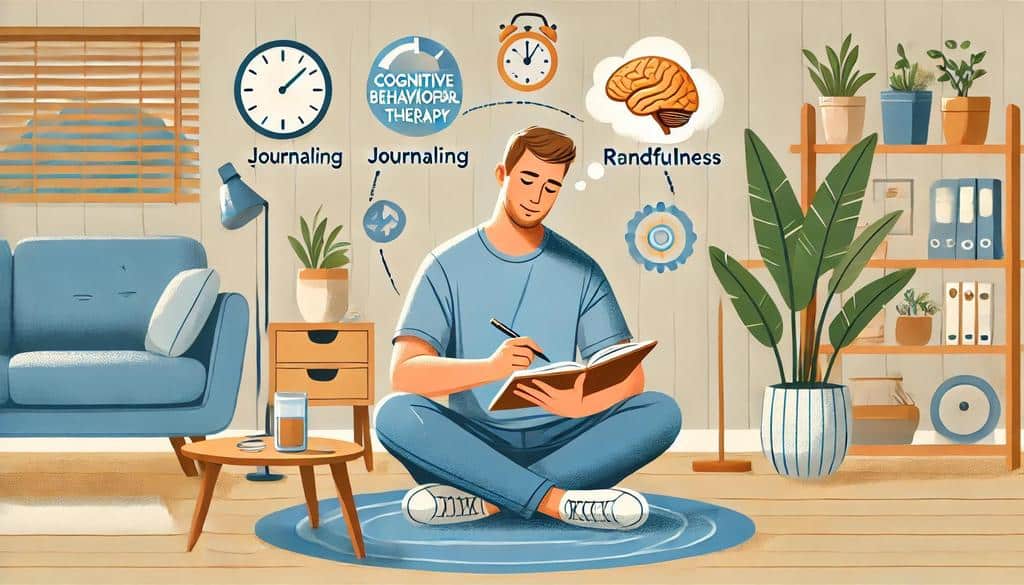
CBT also focuses on developing practical coping strategies to manage anxiety symptoms. These may include relaxation techniques, mindfulness, and stress management skills. By equipping individuals with these tools, CBT helps them handle anxiety-provoking situations more effectively.
5. Behavioral Activation
Behavioral activation is another essential aspect of CBT. It encourages individuals to engage in activities they have been avoiding due to anxiety. This breaks the cycle of avoidance and reinforces positive behaviors, improving mood and reducing anxiety.
The Benefits of CBT for Anxiety
1. Evidence-Based Effectiveness
Many studies have proven the effectiveness of CBT in treating various anxiety disorders. Research consistently shows that CBT is as effective, if not more so, than medication for many individuals. Moreover, the benefits of CBT tend to be long-lasting, with lower relapse rates compared to medication.
2. Empowerment and Self-Efficacy
CBT empowers individuals by teaching them practical skills for managing anxiety on their own. This sense of self-efficacy can be incredibly empowering as individuals learn they have the tools and abilities to cope with stress.
3. Holistic Approach
CBT addresses the interconnectedness of thoughts, feelings, and behaviors, providing a holistic approach to treatment. By focusing on all aspects of anxiety, CBT helps individuals achieve comprehensive and lasting improvements in their mental health.
4. Personalized Treatment
CBT is highly individualized, allowing therapists to tailor the treatment to each person’s needs and goals. This personalized approach ensures that individuals receive the most effective and relevant interventions for their unique situation.
5. Minimal Side Effects
Unlike medication, CBT has minimal side effects. While some individuals may experience temporary discomfort when confronting their fears, these feelings typically subside as they become more accustomed to the exposure exercises. Overall, CBT is a safe and non-invasive treatment option.

Cognitive Behavioral Therapy for Anxiety: Practical Tips
If you are considering CBT for anxiety, here are some practical tips to get started:
1. Find a Qualified Therapist
The first step is to find a qualified therapist who specializes in CBT for anxiety. Seek licensed mental health professionals, such as psychologists or clinical social workers, who have training and experience in CBT.
2. Be Open and Honest
Effective therapy requires openness and honesty. Be ready to discuss your thoughts, feelings, and behaviors with your therapist. Your therapist can tailor the treatment to your needs better with more information you provide.
3. Commit to the Process
CBT requires active participation and commitment. Attend all scheduled sessions and complete any homework or exercises your therapist gives. Consistency is key to achieving positive outcomes.
4. Practice Patience
CBT is a process that takes time. Be patient with yourself, as progress may be gradual. Celebrate small victories and treat yourself with kindness throughout the process.
5. Apply Skills in Everyday Life
The skills you learn in CBT are most effective when applied in everyday life. To reinforce your progress, practice the techniques and strategies you learn during therapy in real-life situations.

Cognitive Behavioral Therapy (CBT): Combat Anxiety and Reclaim Your Peace
Cognitive Behavioral Therapy (CBT) is a powerful and effective treatment for anxiety. CBT can address the negative thought patterns and behaviors that contribute to anxiety, transforming your symptoms and improving your quality of life. Whether you face generalized anxiety, panic attacks, social anxiety, or specific phobias, CBT provides a structured and evidence-based approach to help you regain control and find lasting relief. If you’re struggling with anxiety, consider exploring cognitive behavioral therapy with a qualified therapist. With commitment and effort, you can manage your anxiety symptoms and lead a more fulfilling and peaceful life.


