
Tiny microplastic particles from synthetic clothing, containers, bottles, plastic bags, and cosmetics are taking over the ocean. Coral and other marine species are in danger because they are consuming the microplastic. A recent study tested two coral species and found they respond differently to the synthetic materials, suggesting a variation in how coral are adapting to microplastics. The study is published in Scientific Reports.
In the study, researchers from the University of Washington found that some coral are eating microplastics, precisely when they consume other food, yet microplastics alone are undesirable.
Jeremy Axworthy, the lead author, said:
The more plastic we use, the more microplastics there are, and the more corals are going to be exposed. Our study found that some corals probably won’t eat microplastics and will keep going about their daily business. But some might—and if they happen to be sensitive to warmer ocean temperatures or other stressors, this is just another compounding factor to be worried about.
About The Study
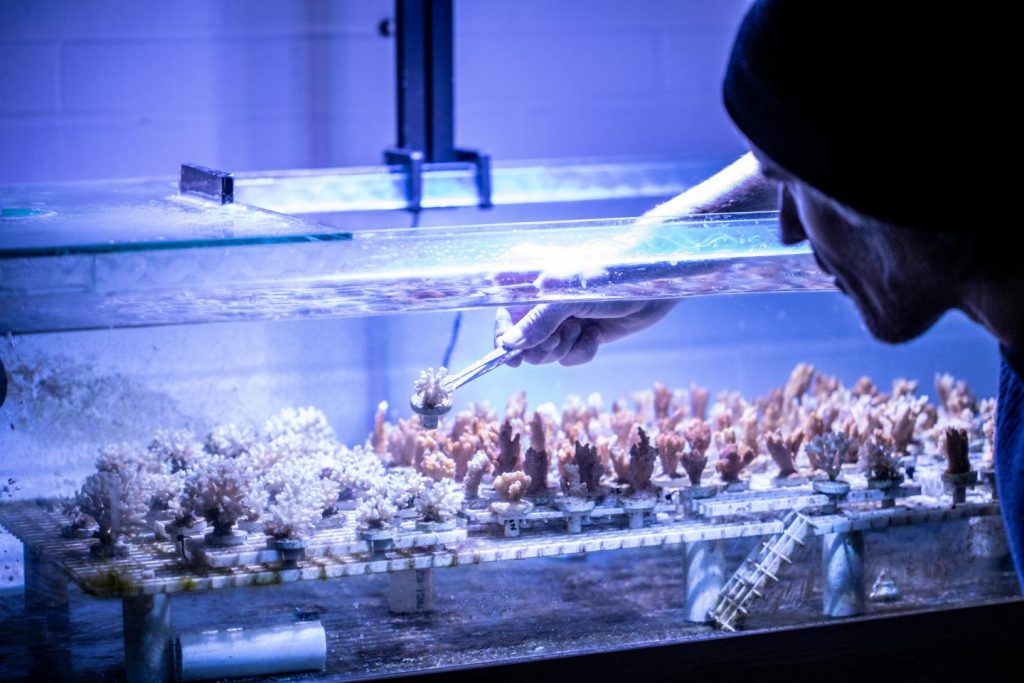
Water is going to get warmer and warmer from climate change. Unfortunately, rising ocean temperatures can be deadly for coral. Warm water stresses the coral, causing them to lose their symbiotic algae partner. Algae is essential for coral to survive because it undergoes photosynthesis and provides them with energy. When the coral has no algae, coral bleaching follows, and eventually, death can occur. However, some corals have adapted to bleaching by shifting their diets to feed on zooplankton, which provide them with energy.
Since zooplankton are the same size as microplastics, the researchers wondered whether the coral was also eating plastic fragments along with their meal. That’s why they decided to study the coral. This study is the first to investigate whether corals consume microplastics when exposed to warmer water.
Zooplankton Diet
The researchers conducted an experiment that revealed coral’s eating habits. They discovered that coral eat microplastics when they switch to a zooplankton diet.
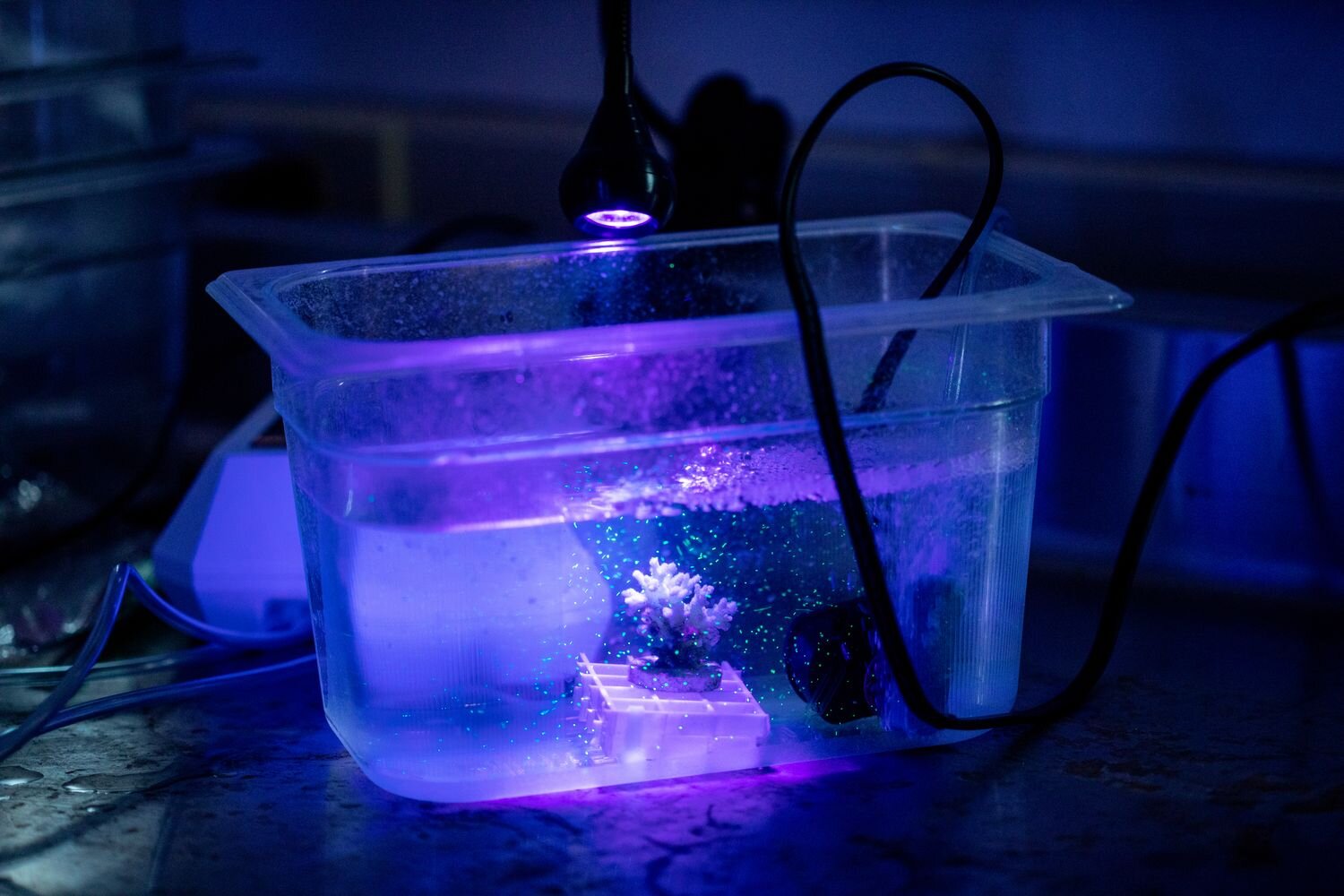
The team collected two species of common coral from the east coast of Oahu, Hawaii. They took half of each species and placed them in warm water for several weeks to induce stress and bleaching. Then, both bleached and non-bleached corals were put through four different feeding experiments. The experiments included feeding corals with only microplastics, only a type of zooplankton, microplastics and zooplankton, or nothing.
After, the researchers dissected the coral and found that those stressed by warmer temperatures ate significantly less than their counterparts in normal seawater. One of the two species, known for eating a lot in the wild, consumed microplastics only as a side meal when eating zooplankton. However, neither coral species consumed microplastics alone.
Jacqueline Padilla-Gamiño, senior author, said:
If corals constantly are dealing with microplastics, it might not kill them, but there will be less energy for them to grow and to reproduce.
Further Research Required
The researchers aren’t sure why one species of coral ate microplastics when other food was in the mix but avoided it when it was the only thing available. They suspect that the coral is smart enough to read specific chemical or physical cues from the plastics and the prey, but can’t distinguish between the two when both are present.
Another possibility is that the plastic used in the experiment is less tasty to corals, and plastic with a different chemical makeup could be more desirable. The team plans to test other types of microplastics, such as synthetic fibers from clothing, to see if the coral find it tastier.
Furthermore, the researchers plan to look at impacts on the physiology of coral that are exposed to microplastics over a more extended period. “Knowing that will provide a lot more context to this work. We need to know the full physiological impacts of chronic exposure to microplastics on corals, especially at increased temperatures, to understand how serious the problem is,” said Axworthy.
In the meantime, we need to stop flooding the ocean with plastic, which means we need to stop using plastic to prevent it from getting into the sea.


