
In an era increasingly dominated by technology and automation, the real estate landscape has evolved rapidly. Smart thermostats, lighting systems, surveillance cameras, and app-controlled appliances now define the modern home. These innovations have transformed how homes operate, offering efficiency, security, and convenience. Yet amid this digital transformation, one age-old element continues to have an undeniable influence: curb appeal.
Despite the popularity of smart features, the visual and emotional impact of a home’s exterior remains a primary driver of first impressions and buyer interest. Curb appeal isn’t merely a decorative consideration; it’s an essential component of a property’s identity and perceived value. Whether a potential buyer is scrolling through online listings or driving by a neighborhood, the external aesthetics of a house often determine whether there will be further interest. This powerful influence is why curb appeal still holds significant weight in the age of smart homes.
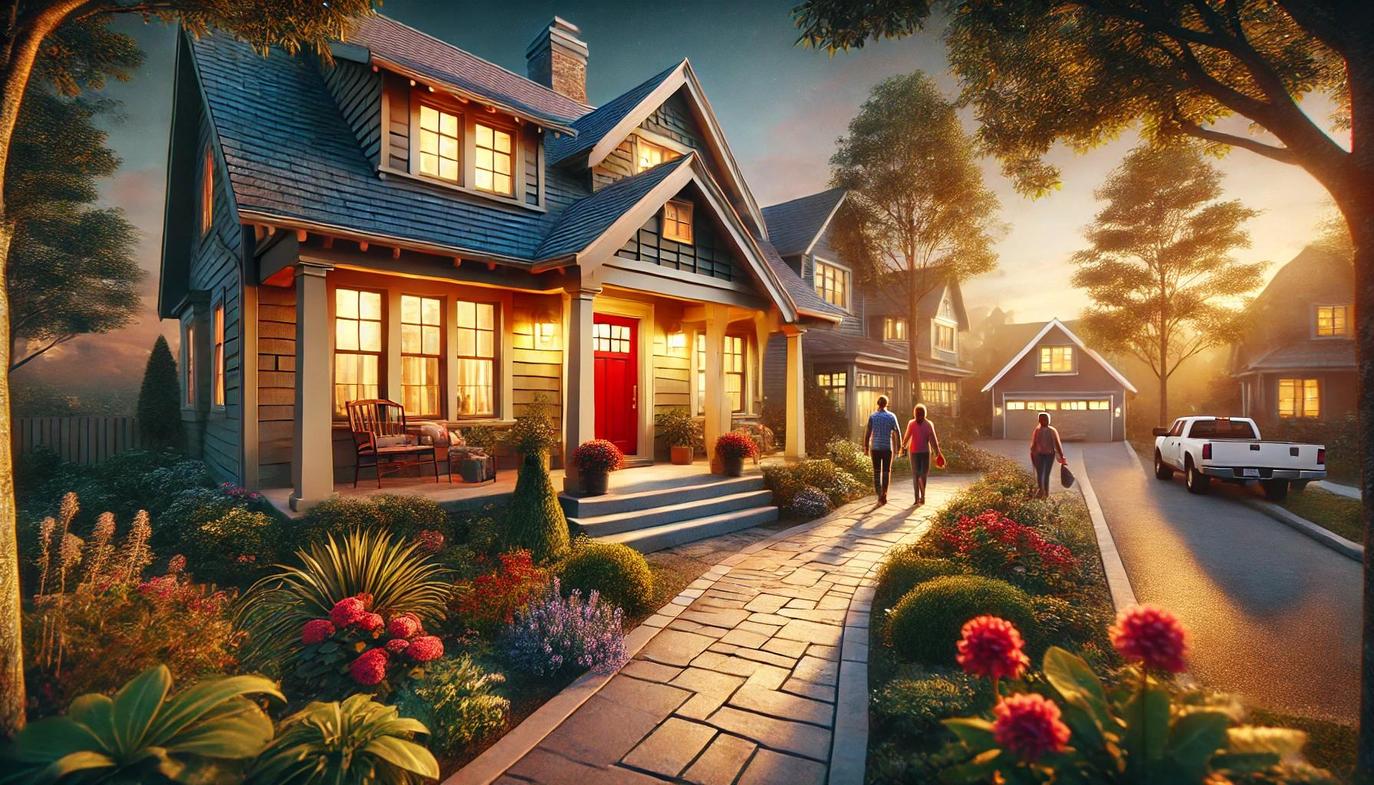
The Emotional Power of a First Impression
While smart homes offer rational selling points, such as energy savings and automation, home buying is still heavily influenced by emotion. Curb appeal creates an emotional hook—something that data and gadgets can rarely replicate. A freshly painted front door, neatly trimmed hedges, charming lighting fixtures, and a welcoming walkway can evoke a sense of comfort, pride, and warmth.
These elements stir memories and foster connections. A beautiful porch might evoke cherished memories of family gatherings, while well-tended gardens can signal a homeowner’s pride and diligence.
The Role of Expert Craftsmanship in Timeless Design
Enhancing a home’s curb appeal demands more than just good taste. It requires practical implementation rooted in a knowledge of structure, design, and durability. This is where the value of an experienced hardscape contractor becomes evident. From constructing elegant stone pathways to creating durable retaining walls, their expertise helps blend functionality with visual harmony.
Hardscaping complements softscaping elements such as gardens, trees, and lawns by adding structure and texture to the exterior. Driveways, patios, and steps, when professionally designed and installed, contribute not only to beauty but also to long-term functionality. In fact, a well-integrated hardscape can solve drainage issues, reduce erosion, and even lower maintenance costs.
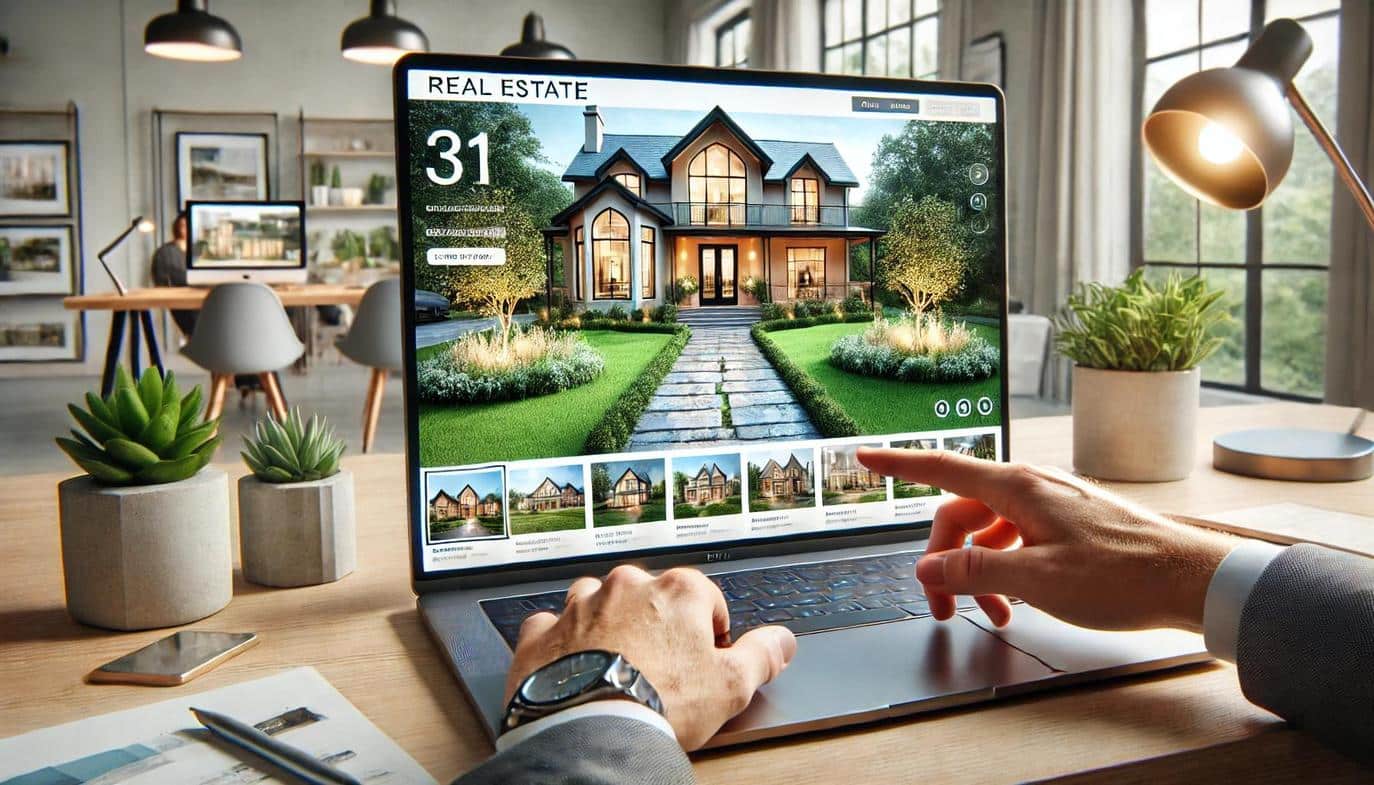
Why Online Listings Depend on Exterior Appeal
Home shopping today often begins online, where visuals speak louder than descriptions. While smart home features are usually mentioned in listing details, the first photo that buyers see is typically of the home’s exterior. If this image fails to impress, viewers may never even click to read about the advanced systems inside.
Professional real estate agents know that listings with visually appealing exterior photos generate more views and greater interest. While drone footage and virtual tours can enhance an online presence, their effectiveness depends entirely on the home’s visual quality.
Anchoring Long-Term Value in Exterior Enhancements
The long-term value of a home extends beyond digital integrations, which can become obsolete or require frequent updates. In contrast, well-maintained exteriors and thoughtful landscaping improvements tend to retain their value or even appreciate over time.
Elements like brick walkways, stone accents, and iron gates don’t require software updates. These permanent enhancements age gracefully and contribute to a home’s timeless appeal.
Moreover, the ROI on exterior improvements is among the highest in home remodeling. Industry analyses consistently show that investments in new siding, garage doors, upgraded windows, and professional landscaping can yield strong returns at resale.
How Curb Appeal Influences Neighborhood Value
A home’s exterior directly influences the perception of its neighborhood. A single property with strong curb appeal can elevate the visual harmony of the surrounding area, boosting collective property values. Conversely, a neglected façade can drag down neighboring home values and detract from the overall image of the community.
Buyers often look for homes that align with the character of the neighborhood. An exterior that appears modern, cared for, and consistent with community aesthetics will always have a competitive advantage.
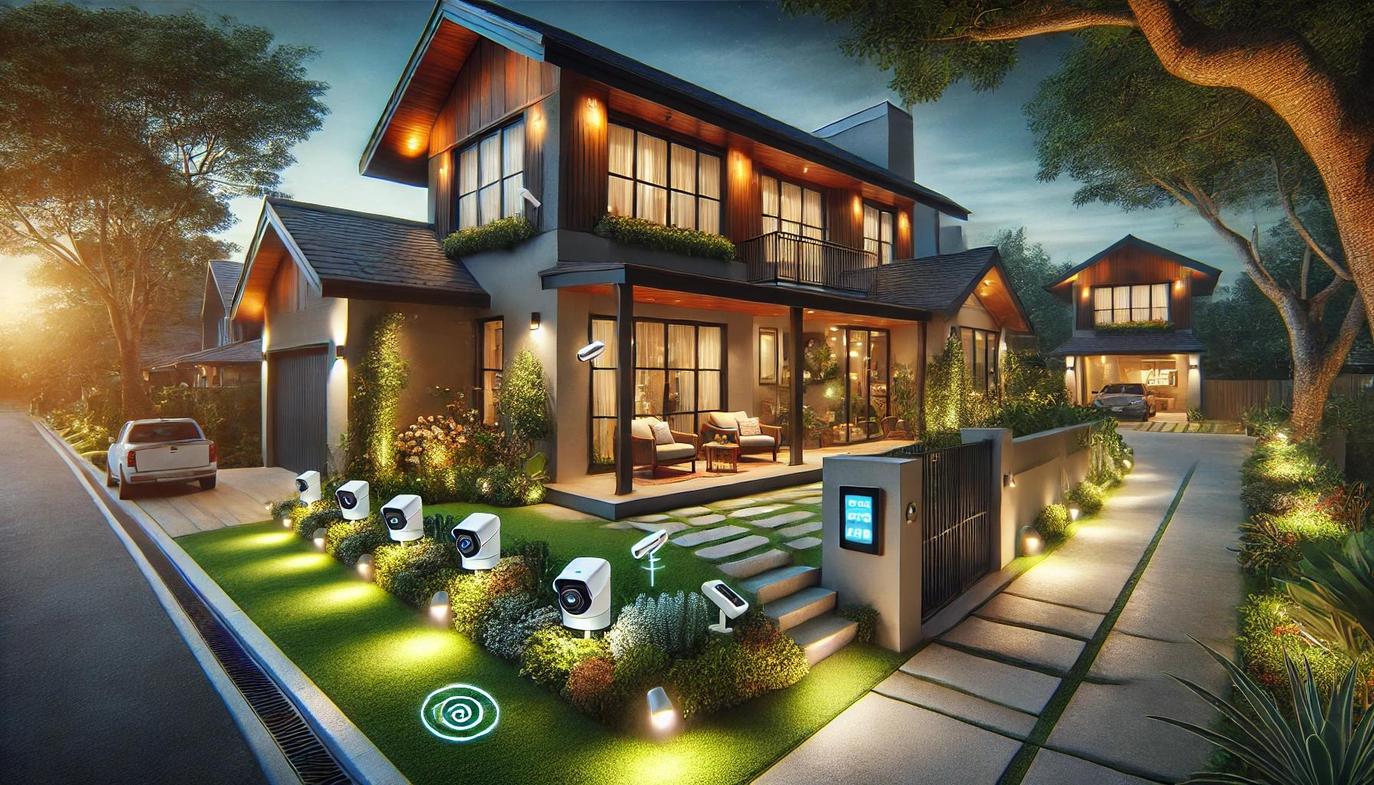
Smart Technology as a Complement to Curb Appeal
There’s no denying the growing importance of smart home technology. Features like remote-controlled blinds, AI-powered lighting, and voice-activated security systems have become desirable, especially among younger and tech-savvy buyers. However, these innovations do not eliminate the need for traditional beauty. In fact, they work best when integrated into a visually appealing environment.
Smart lighting, for example, can highlight architectural features, garden elements, or seasonal decorations—extending curb appeal into the night. Smart irrigation systems can help keep lawns and flower beds lush without overwatering. The synergy between technology and design enhances the homeowner experience, but it does not make curb appeal optional.
Designing for Year-Round Curb Appeal
True curb appeal is not seasonal; it needs to withstand the visual demands of all weather conditions. A house must look inviting in the bright greens of spring, the golden hues of autumn, the stark whites of winter, and the dry browns of summer. This calls for landscaping and hardscaping choices that are low-maintenance, versatile, and resilient.
Using native plants, drought-resistant shrubs, and durable surface materials ensures that the home maintains its visual charm throughout the year. Elements like pergolas, planters, or benches made from weatherproof materials add character while requiring little upkeep. These solutions maintain aesthetic integrity without excessive effort—an ideal blend for modern homeowners who want beauty without constant attention.
Why Buyers Want Both Charm and Technology
In a competitive real estate market, homes that combine advanced technology with strong curb appeal stand out as complete packages. Smart features cater to logic and utility, while curb appeal connects with the heart, making the two not mutually exclusive but mutually reinforcing. A buyer who’s impressed with the home’s exterior is more likely to appreciate the high-tech interior. The emotional resonance established outside paves the way for rational acceptance inside.
Buyers don’t just want a house—they want a vision of the life they can live there. The exterior creates the prologue to that story, setting an emotional tone long before any smart feature is demonstrated. Even tech-savvy individuals often fall for charm, symmetry, and the aesthetic promise of home.

The Enduring Power of a First Impression
In an age where touchscreens, automation, and AI shape daily living, curb appeal remains a tactile, visual, and emotional constant. It’s the element that draws people in, speaks to their sense of pride, and helps them envision not just a smart house—but a beautiful, welcoming home.
The rise of the smart home has not diminished the fundamental importance of curb appeal—it has enhanced it. Technology offers convenience and efficiency, but the emotional connection that sells a home is often forged at the curb. A beautiful exterior creates a powerful first impression that smart features can build upon but rarely replace.
By investing in timeless aesthetics, ranging from professional hardscaping to thoughtful landscaping, homeowners create a comprehensive package. This synergy of form and function increases property value and marketability and transforms a smart house into a truly welcoming home.
Frequently Asked Questions About Curb Appeal
What exterior improvements offer the best ROI?
According to numerous real estate and remodeling reports, high-return projects often include replacing the garage door, updating siding, installing a new front door, and investing in professional landscaping and hardscaping. These improvements have a significant and immediate visual impact.
Can smart home features improve curb appeal?
Yes, absolutely. Smart outdoor lighting can be programmed to highlight architectural features at night, smart irrigation systems can keep landscaping lush and healthy with minimal effort, and smart security cameras offer peace of mind, all of which contribute to a home’s overall appeal.
How much should I budget for curb appeal improvements?
There is no single answer, as it depends on your home’s current state and your goals. Even small, budget-friendly updates like a freshly painted door, new house numbers, and well-maintained flower beds can make a significant difference. For larger projects like a new walkway or driveway, it’s best to consult a professional hardscape contractor for an estimate.
Does curb appeal matter in a seller’s market?
Even in a competitive seller’s market, curb appeal is crucial. A home with a beautiful exterior is likely to attract more offers, potentially leading to a higher final sale price. It creates a perception of a well-cared-for home, reducing buyer hesitation and setting your property apart from the competition.


