
Varicose veins are a common condition, and while nobody wants those twisted, bulging veins, about half of adults worldwide develop these purple or bluish, and usually very painful, veins. Even though varicose veins are a common condition, there are many misconceptions about them. Understanding the truth about varicose veins is critical for proper treatment and management. Let’s untangle the truth from myth and shed some light on varicose veins.
What are varicose veins and their symptoms?
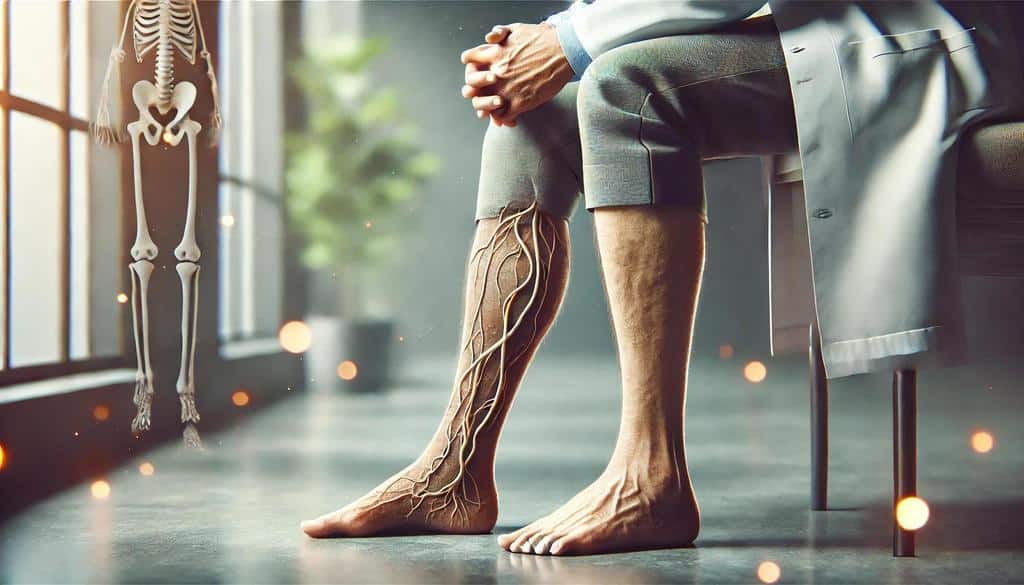
Varicose veins are swollen, enlarged, and twisted veins that often appear dark purple or blue. They occur when the valves in the veins stop functioning properly, causing blood to flow backward and pool in the vein. The common causes include pregnancy, obesity, genetics, and prolonged sitting or standing. Varicose veins primarily affect the legs due to the heightened pressure in the lower body veins from prolonged sitting, standing, and walking.
The symptoms of varicose veins are:
- Swelling in the lower legs
- Discomfort and aching pain
- Skin discoloration
- Itching around the veins
- Ulcers or wounds in legs
- Cramping or heaviness in the legs
If you encounter any or all of these symptoms, go to a vein clinic for a thorough evaluation and appropriate treatment.
Separating Fiction from Fact About Varicose Veins
1. Not true – Only Older Women Affected
Women are much more prone to varicose veins, especially during menopause and pregnancy, due to hormonal changes. However, this does not mean men are exempt from this condition. Age is a risk factor, and anyone can develop this condition due to prolonged sitting or standing, genetics, and even obesity.
So, the truth is that varicose veins affect both men and women, but women are more prone to this condition.
2. Not true – Varicose Veins Are Only a Cosmetic Issue
People wrongly assume that varicose veins are a cosmetic issue, something that they can hide beneath clothing. While it is true that the appearance of varicose veins can be bothersome, the condition is not merely a cosmetic problem. They indicate underlying circulatory problems, and if left untreated, they can lead to swelling, pain, discoloration of the skin, and even ulcers in severe cases.
The key to staving off complications is early diagnosis and treatment of varicose veins.
3. Not true – Crossing Legs Causes this Condition
There is no scientific evidence to support this claim. Yes, crossing your legs does restrict blood flow temporarily, but it is not a direct cause of varicose veins. The main culprit is the faulty valves within the veins that allow blood to pool and stretch the walls of the veins.
It is also worth noting that crossing your legs doesn’t cause varicose veins, but doing so might exacerbate your existing condition. You should kick the habit of constantly sitting with your legs crossed.
4. Not true – All Varicose Veins Are Visible
This is not true because varicose veins can develop both in the deep and superficial veins in the legs. The superficial veins are nearer to the skin, so it is easier to notice them.
But if varicose veins develop deeper inside the legs, you might not be able to see them because they are covered with a thick layer of fatty tissue.
Nonetheless, you will experience the symptoms of varicose veins, such as leg pain and swelling. If you experience such unusual or painful symptoms, it would be best to see a vein specialist. The issue might be caused due to a hidden varicose vein.
5. Not true – Pregnancy Causes Varicose Veins
Contrary to popular belief, pregnancy is not a direct cause of varicose veins. These veins are a result of increased pressure on leg veins and weakened vein valves, influenced by occupation, lifestyle, and genetics.
However, pregnancy can aggravate existing predispositions or risk factors due to increased pressure on the pelvic area and hormonal changes. While some women see an improvement after childbirth, others do not.
6. Not true – There’s No Treatment for Varicose Veins
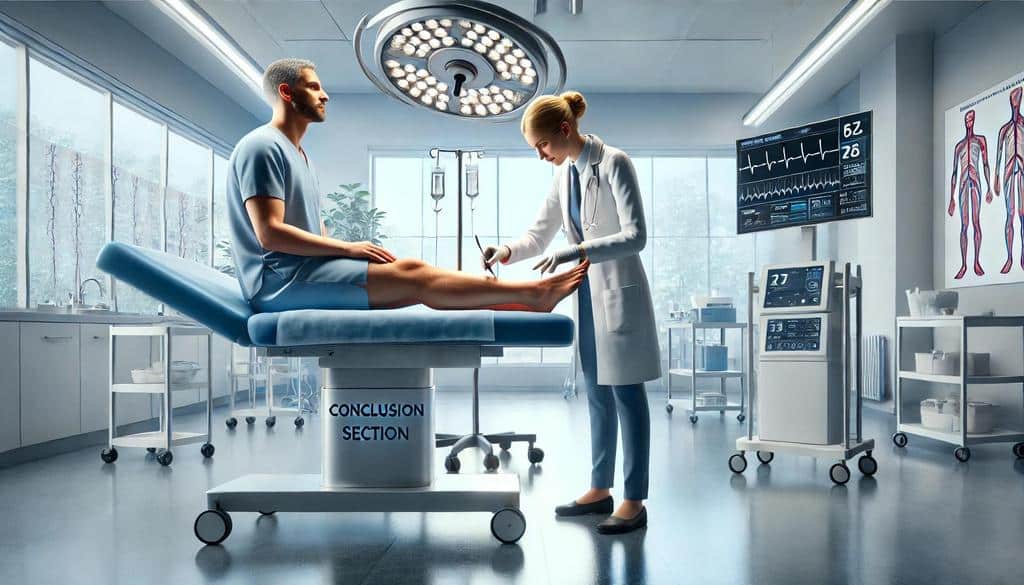
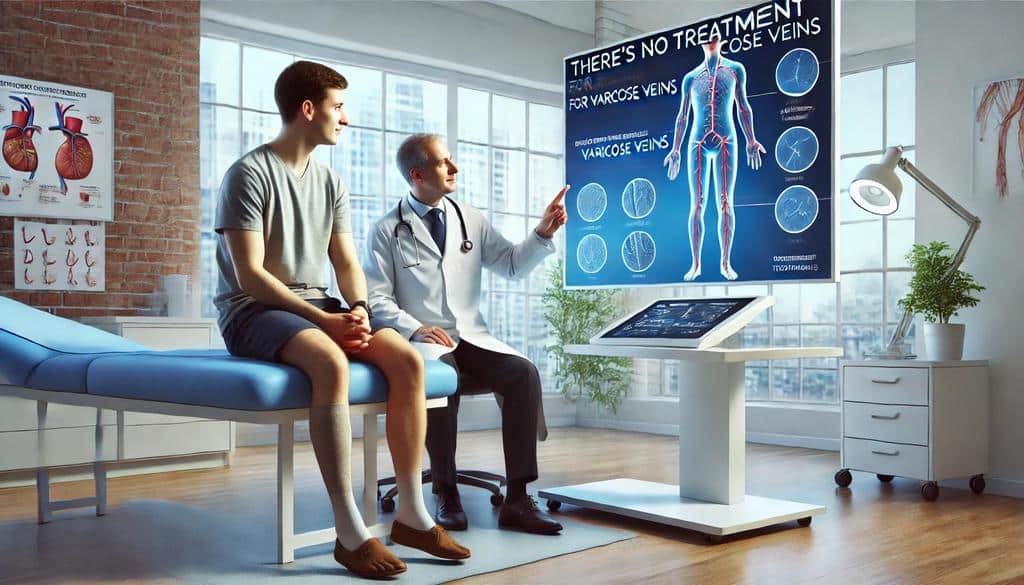
This isn’t true at all because several treatment options are available for varicose veins. Depending on the seriousness of the case, treatment options range from lifestyle modifications like exercise and compression stockings to minimally invasive procedures like sclerotherapy or laser ablation.
Determine the best course of action for you by consulting a vein specialist. Clinics such as Metro Vein Center provide access to advanced treatment options and experienced professionals who can help guide patients through the best solutions for their condition.
7. Not true – Varicose Vein Treatment is Only for Cosmetic Purposes
While it is true that varicose vein treatment will improve the appearance of your legs, the primary focus is on preventing complications and improving circulation. Through early treatment, you can alleviate swelling, pain, and other symptoms associated with varicose veins.
8. Not true – Surgery is the Only Option for Treating Varicose Veins
Surgery used to be a common approach, but thanks to advancements in medical techniques, there exist several alternative treatments that are equally effective and less invasive.
Surgery is no longer the only option for treating varicose veins. Minimally invasive procedures are gaining prominence in treating this condition, such as sclerotherapy and endovenous laser ablation.
9. Not true – Varicose Veins and Spider Veins are The Same
The causes of both varicose and spider veins often overlap, but they are not the same. They differ in symptoms and severity, have distinct characteristics, and require different treatment approaches.
Varicose veins are twisted, enlarged veins that appear as bulging cords on the legs. They are accompanied by heaviness, aching, or swelling. They are considered a vein disease and usually require medical intervention to address the underlying venous insufficiency. Spider veins, on the other hand, occur when small blood vessels near the surface of the skin become dilated. They are almost always cosmetic, which means they may appear purple or red but are not harmful. They don’t cause significant discomfort.
However, while they are not the same, you must not take spider veins lightly. They might be an early sign of chronic venous insufficiency.
10. Not true – Varicose Veins Return After Treatment
Recurrence of varicose veins may occur sometimes, but it is not a guaranteed outcome. Modern treatment options aim to eliminate existing varicose veins, improve overall vein health, and address underlying causes. By targeting the root cause, these treatments have shown remarkable success rates in preventing recurrence.
Here’s What to Remember About Varicose Veins
- They can affect anyone, regardless of gender and age.
- They are more than just a cosmetic concern and require immediate medical attention.
- Various treatment options are available to improve and manage varicose veins.
- Regular exercise and a healthy lifestyle can prevent varicose veins.
- Do not hesitate to consult a vein specialist and discuss your concerns about varicose veins.
By knowing the truth about varicose veins, you can take full control of your vein health and make informed decisions about treatment and managing this condition.


