
The topic of driving green through the use of electric cars is becoming increasingly important as we strive to reduce emissions and combat climate change. The transportation sector is one of the largest contributors to greenhouse gas emissions, making the switch to electric vehicles an important step towards a more sustainable future.
Electric cars have come a long way in recent years, with advancements in technology and infrastructure making them a viable option for many consumers. However, from an engineering-centric angle, challenges and limitations still need to be addressed. Battery technology, charging infrastructure, and high initial costs are just a few of the obstacles that must be overcome to fully realize the potential of electric cars.
Nevertheless, the benefits of electric cars cannot be ignored. They offer lower greenhouse gas emissions, reduced air pollution, and energy efficiency, among other advantages. Therefore, this paper will explore the engineering aspects of electric cars, their environmental benefits, their challenges, and the future developments and innovations in this field.
Background Information
Electric cars have existed since the late 19th century, but their popularity has only recently surged due to technological advancements and environmental concerns. The first electric cars were simple and had limited range, but improvements in battery technology have made them a more viable alternative to conventional vehicles.
When comparing electric cars to conventional vehicles, there are a few key differences:
- Electric cars are powered by electricity stored in batteries, whereas conventional vehicles run on gasoline or diesel fuel.
- Electric cars are typically more energy efficient, with a higher percentage of energy converted to motion.
- Electric cars emit zero tailpipe emissions, making them much cleaner than conventional vehicles.

Advantages Vs. Disadvantages
There are several advantages to electric cars. As mentioned, they emit zero tailpipe emissions, which can help to reduce air pollution and improve overall air quality. They also offer quieter operation, lower maintenance costs, and a more efficient driving experience. Furthermore, electric cars can help to reduce our dependence on fossil fuels and increase the use of renewable energy sources.
However, there are also disadvantages to electric cars. They typically have a higher upfront cost than conventional vehicles, and the range on a single charge is still limited. Additionally, the charging infrastructure is less widespread than gasoline stations, and it can take longer to recharge an electric car than to fill up a conventional vehicle’s gas tank.
Electric Car Components
Electric cars have a unique set of components that differentiate them from conventional vehicles. Understanding these components is essential for understanding the engineering behind electric cars and their maintenance.
Electric Motor
The electric motor is the primary source of propulsion in an electric car. Unlike an internal combustion engine, which burns fuel to create power, an electric motor uses electrical energy to produce motion. Electric motors are highly efficient, which makes them an ideal choice for electric vehicles.
Battery Pack
The battery pack is another essential component of an electric car. It stores the electrical energy that powers the electric motor. Battery technology is constantly evolving, and advancements in this field are key to increasing the range and performance of electric cars.
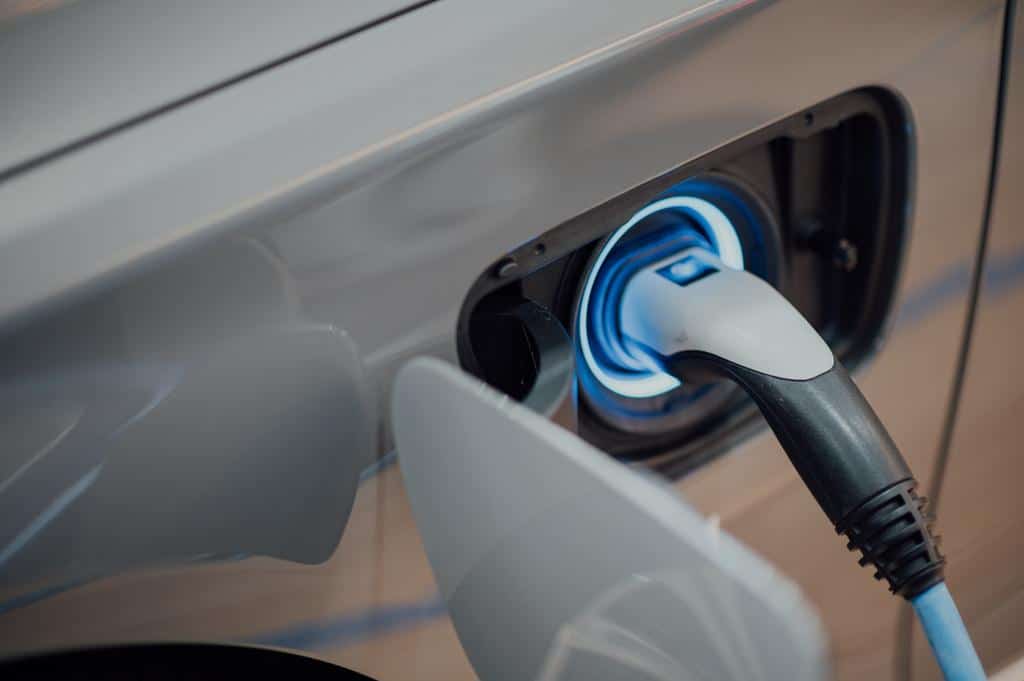
EV charging stations are needed to recharge the battery pack, and there are different types of charging levels, including Level 1, Level 2, and Level 3 charging. Level 3 charging, also known as DC fast charging, is the fastest way to charge an electric car and can provide an 80% charge in as little as 30 minutes.
Unique Regenerative Braking
Regenerative braking is another unique feature of electric cars. It allows the electric motor to act as a generator when braking, converting kinetic energy into electrical energy to recharge the battery pack. This can help to increase the overall range of the vehicle.
Vehicle Power Electronics
Finally, power electronics are essential for controlling and distributing electrical power throughout the electric car. They manage the flow of electricity between the battery pack, electric motor, and charging infrastructure, ensuring that the vehicle operates safely and efficiently.
Environmental Benefits of Electric Cars
One of the key reasons for electric cars’ increasing popularity is their environmental benefits. Compared to conventional vehicles, electric cars have several advantages that help to reduce the negative impacts of transportation on the environment.
No Tailpipe Emissions
Electric cars emit lower greenhouse gas emissions than conventional vehicles. They do not produce tailpipe emissions, contributing to local air pollution and global climate change. Furthermore, electric cars have virtually zero emissions when powered by renewable energy sources such as solar or wind power.
Reduction in Air Pollution
Reduced air pollution is another benefit of electric cars. They emit fewer pollutants that contribute to smog, respiratory illnesses, and other health problems. This can help to improve air quality in urban areas, where air pollution is often at its worst.
Energy Efficiency
Electric cars are also more energy-efficient than conventional vehicles. This is because they convert a higher percentage of the energy stored in the battery pack into motion, resulting in less wasted energy. This leads to more efficient use of resources and lower overall energy demand.
Electric cars can help to integrate renewable energy sources into the power grid. By charging during periods of excess renewable energy generation, electric cars can help to balance the grid and reduce the need for fossil fuel-powered electricity. This can significantly impact reducing greenhouse gas emissions and combatting climate change.
Challenges and Limitations
Battery technology limitations are a significant obstacle for electric cars. Batteries are heavy and expensive, and current technology limits the range of electric cars on a single charge. This makes long-distance travel challenging, and electric cars may not be suitable for everyone’s needs.
Charging infrastructure challenges also pose a barrier to the widespread adoption of electric cars. While more charging stations are being installed, the charging infrastructure is still not as widespread as gasoline stations. Additionally, charging times can be long, which can be inconvenient for drivers.
The high initial cost is another limitation of electric cars. While prices are decreasing, electric cars are still more expensive than conventional vehicles. This can make them inaccessible to many consumers who may not have the resources to invest in a new car.

Future Developments and Innovations
The future of electric cars is promising, with several developments and innovations on the horizon.
Advancements in battery technology are expected to lead to longer driving ranges and faster charging times. Solid-state batteries, which are lighter, safer, and more energy-dense than current lithium-ion batteries, could revolutionize the electric car industry in the coming years.
Improvement in charging infrastructure is also expected to make electric cars more practical for everyday use. For example, wireless charging, which allows cars to charge while driving, is being developed, and fast charging stations are becoming more prevalent.
The introduction of smart grids is also expected to significantly impact the future of electric cars. Smart grids allow for integrating renewable energy sources, making it easier for electric vehicles to run on clean energy.
Collaboration between the automotive and energy industries is also expected to drive innovation in the electric car sector. Automotive companies are partnering with energy companies to develop new technologies and improve charging infrastructure, while energy companies are investing in renewable energy sources to power electric cars.

Conclusion
Electric cars are playing an increasingly important role in reducing emissions and combatting climate change. The technology behind electric cars has improved significantly in recent years, with advancements in battery technology, charging infrastructure, and energy efficiency.
While there are still challenges and limitations that need to be addressed, the future of electric cars looks promising. As battery technology continues to advance, electric cars are expected to have longer driving ranges, faster charging times, and be more accessible to a wider range of consumers. The introduction of smart grids and collaboration between the automotive and energy industries are also expected to accelerate the adoption of electric cars and reduce their environmental impact.
Overall, electric cars offer a promising solution for reducing emissions and creating a more sustainable future. By embracing this technology, we can work towards a cleaner and healthier planet for future generations.


