
Electronic waste, commonly known as e-waste, is piling up at an alarming rate. This form of waste not only clutters landfills but also releases toxic substances. When disposed of improperly, electronics like computers and smartphones can leak hazardous materials, including mercury and lead, threatening environmental and human health. The problem is global and growing, yet solutions are within reach.
Among them is electronic recycling, a crucial process in mitigating these dangers. By repurposing and recycling used electronics, we can significantly reduce the toxic impact on our ecosystem.

E-Waste Recycling: Importance of Community Participation
Active participation from local communities is vital for the success of comprehensive electronic recycling programs. Community-driven initiatives play a crucial role in ensuring that electronic recycling efforts are both effective and sustainable. Collaborating as a collective can significantly reduce the adverse effects of e-waste.
Educational programs are particularly influential in motivating individuals to recycle their outdated electronics. Such initiatives raise awareness about the harmful consequences of improper e-waste disposal. Through collaboration, communities can optimize recycling processes, enhancing convenience and accessibility for all residents. This can be achieved through organized collection events or the establishment of easily accessible drop-off locations. Public engagement stands as a fundamental pillar of proficient e-waste management.
How Recycling Conserves Energy
Recycling electronics plays a crucial role in energy conservation while also reducing clutter in homes. The production of new electronic devices requires a significant amount of energy, largely due to the mining and processing of raw materials. In contrast, recycling these devices utilizes substantially less energy.
By opting for recycled materials, energy consumption can be minimized, decreasing greenhouse gas emissions. This energy-efficient approach to recycling is vital in the fight against climate change, establishing it as a necessary practice for a sustainable future. Additionally, recycling mitigates the environmental damage associated with mining and material processing by consuming less energy, thereby contributing to a smaller carbon footprint. As a result, recycling electronics embodies a commitment to energy efficiency and environmental stewardship.
The Role of Resource Conservation
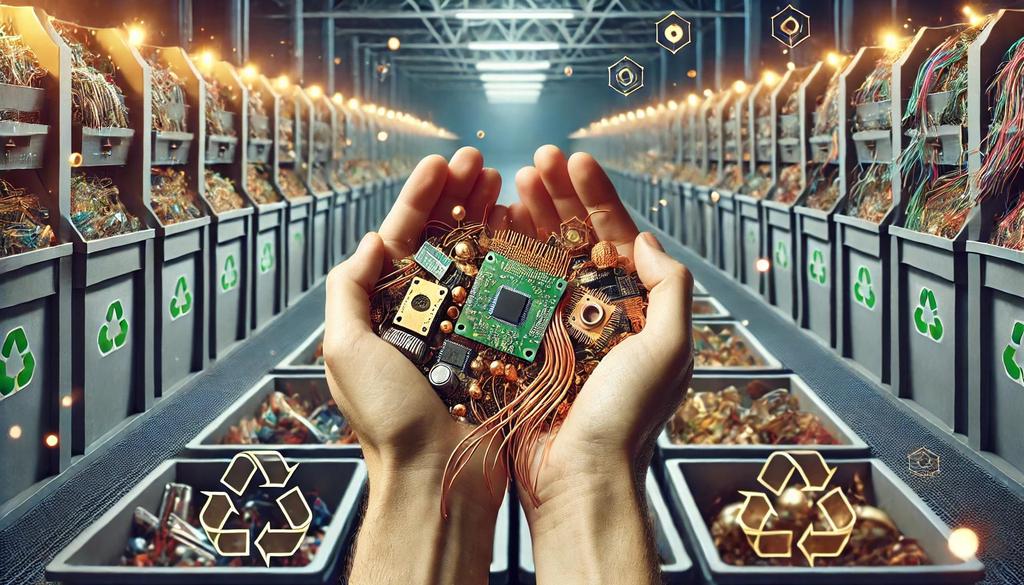
Recycling isn’t only about keeping electronic waste out of landfills; it’s also about conserving our planet’s finite natural resources. Electronic devices contain valuable materials—like gold, silver, and copper—that can be recovered and reused, reducing the need to extract raw materials. This practice saves precious resources and minimizes the environmental damage caused by mining operations.
Repurposing these materials for new electronics significantly diminishes the ecological footprint of technology manufacturing. Recycling plays a significant role in conserving metals while simultaneously decreasing dependence on the extraction of raw materials. This practice fosters a more sustainable model for the cycles of production and consumption. These recycling efforts are also cost-effective for manufacturers, making them an economically viable option. Such initiatives are essential for the protection of global biodiversity and the preservation of ecosystems.
Health and Safety Benefits
Proper management of electronic waste reaps substantial health and safety benefits. When e-waste is recycled correctly, it prevents harmful substances from leaching into the environment, thereby shielding air and water from contamination. This is crucial for maintaining public health, as polluted resources can lead to severe health concerns in communities.
Recycling programs foster a cleaner, safer environment by promoting the responsible disposal of potentially dangerous materials. Through these initiatives, communities can protect not just the planet but also the well-being of their residents. Recycling reinforces the foundational public health standards necessary for thriving communities by improving environmental conditions.

Boston’s Role in Electronic Recycling
Boston stands as a pioneering city in the realm of electronic recycling. It champions the cause through dedicated programs that encourage its residents to dispose of electronics responsibly. The town frequently organizes e-waste collection events, making it easier for individuals to contribute to a sustainable future.
Establishments that effectively manage these waste materials demonstrate a dedication to environmental conservation and public health. By participating in these efforts, residents keep their city clean and help set a nationwide standard for effective recycling practices. These initiatives present a successful model for other cities striving to tackle the growing global issue of electronic waste.

