
Fibromyalgia is a complex condition affecting millions worldwide, impacting their physical, emotional, and psychological well-being. While there is no cure for fibromyalgia, embracing intelligent living can significantly enhance the quality of life for individuals suffering from this chronic condition. Savvy living involves adopting innovative strategies and making informed choices to manage symptoms, improve overall well-being, and regain control over one’s life. In this article, we will explore how intelligent living can help individuals with fibromyalgia, focusing on self-care, lifestyle modifications, and technological aids.
Fibromyalgia is a chronic condition affecting millions worldwide, causing widespread pain, fatigue, and a range of debilitating symptoms. While there is no cure for fibromyalgia, individuals can empower themselves by embracing intelligent living. Intelligent living involves making informed choices, adopting innovative strategies, and utilizing available resources to effectively manage symptoms, improve overall well-being, and regain control over their lives. In this article, we will explore how embracing intelligent living can empower individuals with fibromyalgia, allowing them to navigate the challenges of their condition and enhance their quality of life.
How to Live Better
Intelligent living encompasses a holistic approach to self-care, considering various physical, emotional, and mental well-being aspects. Individuals can better manage their symptoms and improve their overall health by prioritizing self-care practices. This includes mindfulness meditation, deep breathing exercises, and yoga, which can help reduce stress, alleviate pain, and promote emotional well-being. Sleep hygiene and a balanced diet can improve overall health and help manage fibromyalgia symptoms.
Appropriate physical activity and exercise is another essential aspect of intelligent living for individuals with fibromyalgia. While engaging in physical activity when experiencing pain may seem counterintuitive, low-impact aerobic exercises and strength training can improve muscle strength, endurance, and physical functioning. By gradually incorporating exercise into their routines and listening to their bodies, individuals can experience improvements in their symptoms and overall well-being.

Technological aids can also play a significant role in intelligent living for individuals with fibromyalgia. Health tracking apps allow individuals to monitor their symptoms, track pain levels, and identify potential triggers, providing valuable insights for self-management and facilitating communication with healthcare professionals. Wearable devices can help individuals monitor their physical activity levels, sleep patterns, and heart rate, encouraging them to maintain an active lifestyle and providing feedback on their progress. Additionally, pain management apps offer guided meditation, relaxation exercises, and techniques tailored specifically for individuals with chronic pain conditions like fibromyalgia, empowering them to find relief and enhance their emotional well-being.
Emotional well-being and support are crucial aspects of intelligent living for individuals with fibromyalgia. Cognitive-behavioral therapy (CBT) techniques can help individuals reframe negative thoughts, manage stress, and develop effective coping strategies. Seeking therapy from a trained professional provides valuable emotional support and equips individuals with fibromyalgia with essential tools to navigate their condition. Joining support groups, whether online or in-person, enables persons to connect with others who are going through similar experiences to share coping strategies and receive emotional support. These experiences aid in reducing feelings of isolation and empowering them to face their condition with strength and resilience.
I. Holistic Self-Care Practices:
· Mind-Body Techniques: Mindfulness meditation, deep breathing exercises, and yoga can help individuals with fibromyalgia manage stress, reduce pain, and improve overall well-being. These mind-body techniques promote relaxation, enhance self-awareness, and provide mental and emotional respite.
· Sleep Hygiene: Establishing good sleep hygiene practices is essential for individuals with fibromyalgia, as sleep disturbances are often prevalent. Improving sleep by maintaining a consistent sleep schedule, creating a relaxing bedtime routine, and optimizing the sleep environment can promote restorative sleep and alleviate fatigue.
· Nutrition and Supplementation: A balanced diet, rich in whole foods, can provide essential nutrients to support the body’s functioning. Incorporating anti-inflammatory foods, such as fruits, vegetables, and omega-3 fatty acids, may help manage pain and inflammation. Consultation with a healthcare professional can guide appropriate supplementation if necessary.

II. Physical Activity and Exercise:
· Low-Impact Aerobic Exercises: Engaging in low-impact aerobic activities, such as walking, swimming, or cycling, can improve cardiovascular health, enhance mood, and reduce pain in individuals with fibromyalgia. It is essential to start slowly, gradually increasing intensity and duration while listening to the body’s signals.
· Strength Training: Incorporating strength training exercises, focusing on all major muscle groups, can help improve muscle strength, endurance, and overall physical functioning. Resistance bands or light weights can be used to ensure safety and prevent the worsening of symptoms.
III. Technological Aids:
· Health Tracking Apps: Utilizing health tracking apps can help individuals with fibromyalgia monitor symptoms, track pain levels, and identify potential triggers. These apps can provide valuable insights for self-management and facilitate communication with healthcare professionals.
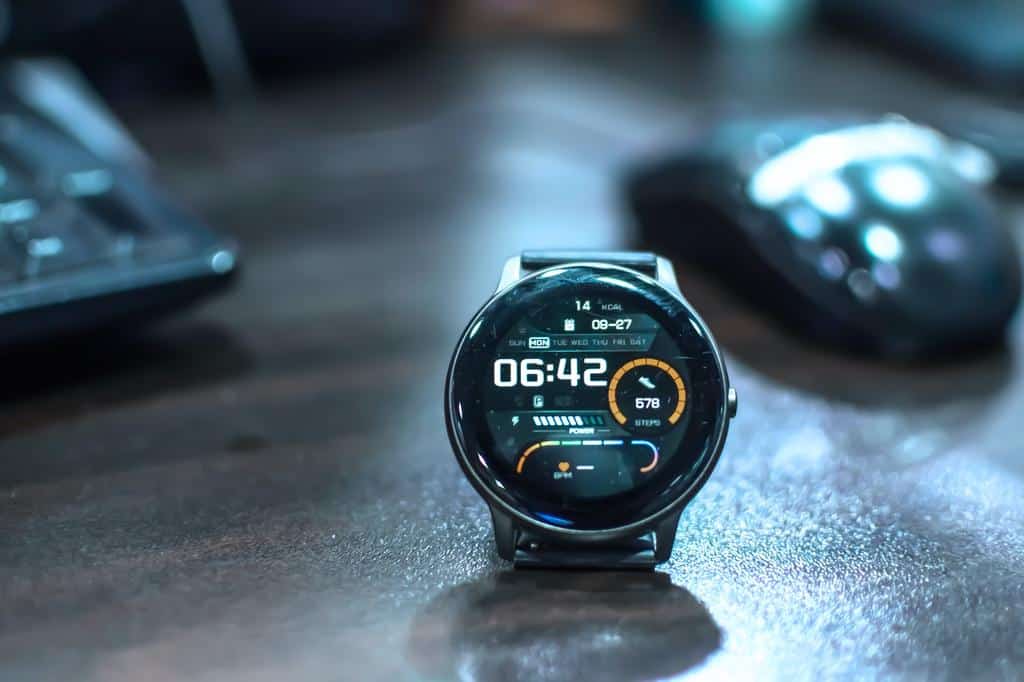
· Wearable Devices: Wearable devices, such as activity trackers or smartwatches, can assist in monitoring daily physical activity, sleep patterns, and heart rate. These devices can encourage individuals to maintain an active lifestyle and provide feedback on progress.
· Pain Management Apps: Several mobile applications offer guided meditation, relaxation exercises, and pain management techniques tailored specifically for individuals with chronic pain conditions like fibromyalgia. These apps can serve as valuable tools for self-soothing and enhancing emotional well-being.
IV. Emotional Well-being and Support:
· Cognitive-Behavioural Therapy (CBT): CBT techniques can help individuals reframe negative thoughts, manage stress, and develop effective coping strategies. Seeking therapy from a trained professional can provide valuable emotional support and equip individuals with fibromyalgia with essential tools to navigate their condition.
· Support Networks: Joining support groups, whether online or in-person, provides opportunities to connect with others facing similar challenges. Sharing experiences, exchanging coping strategies, and receiving emotional support can empower individuals with fibromyalgia and alleviate feelings of isolation.
Conclusion
In conclusion, embracing intelligent living empowers individuals with fibromyalgia to take an active role in managing their condition and enacting fibromyalgia treatment. By prioritizing self-care, engaging in appropriate physical activity, utilizing technological aids, and seeking emotional support, individuals can navigate the challenges of fibromyalgia more effectively and embrace a life of empowerment and well-being. Intelligent living provides a roadmap for individuals to take control of their condition, make informed decisions, and optimize their overall health and happiness.


