
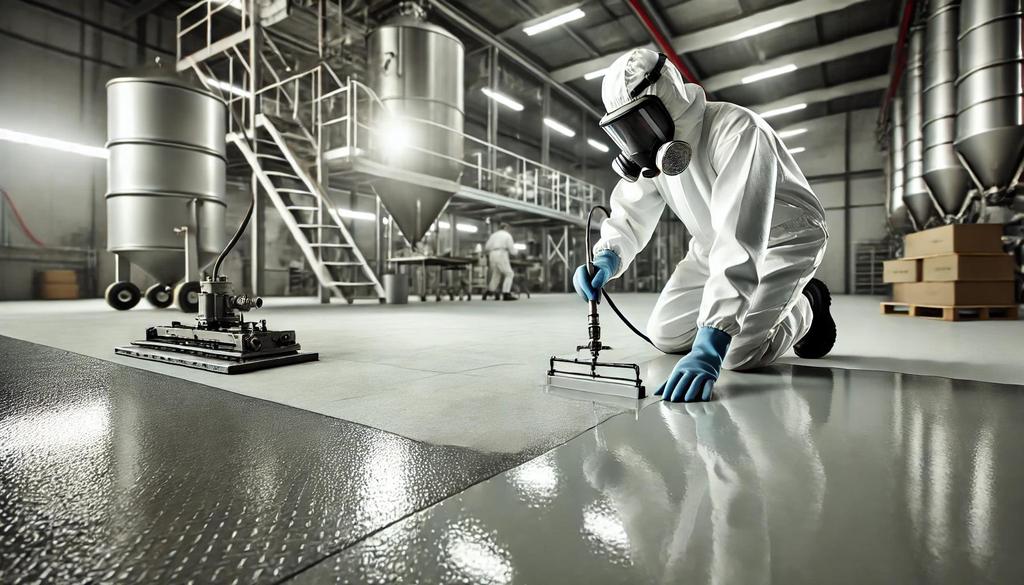
Epoxy flooring has become a preferred choice for many homeowners and business owners due to its impressive wear resistance and versatility. Comprising a blend of polymer resins and hardeners, epoxy creates a robust, long-lasting surface ideal for various applications. The seamless nature of epoxy flooring minimizes the presence of joints and seams, reducing the likelihood of dirt and moisture accumulation. This feature not only enhances its aesthetic appeal but also simplifies cleaning and maintenance tasks. Additionally, epoxy comes in a wide array of colors and patterns, giving homeowners the opportunity to personalize their spaces according to their preferences.
Epoxy flooring is particularly popular in environments subject to high traffic, such as garages, basements, and commercial properties. Its durability enables it to withstand heavy loads while resisting spills, stains, and chemicals, making it a reliable option for industrial settings as well. However, it is essential to consider that epoxy flooring installation is a complex process that requires a skilled professional. This necessity can impact overall project timelines and budgets. By understanding these fundamentals, you can make a more informed decision regarding whether epoxy flooring aligns with your specific needs, enhancing both functionality and aesthetic appeal in your space.

1. Understanding the Basics of Epoxy Flooring
Epoxy flooring is a type of resinous flooring that comprises a mixture of polymer resins and hardeners. The result is a hard, durable surface that adheres well to the concrete underneath. One key advantage is its seamless finish, which minimizes joints and seams where dirt and moisture can accumulate. This makes epoxy flooring not just visually appealing but also easy to clean and maintain. Epoxy flooring allows for a great diversity of colors and patterns, allowing homeowners to customize their space. Garages, basements, and commercial areas with high traffic are particularly popular for epoxy flooring.
When evaluating flooring options, it is essential to recognize that the cost of epoxy flooring can fluctuate depending on several factors. These include the thickness of the application and any additional features selected. Understanding these variables aids in making an informed choice. Epoxy flooring exhibits exceptional strength, capable of withstanding heavy loads. Furthermore, it is resistant to spills, stains, and chemicals, making it particularly important for industrial environments.
However, potential buyers should be aware that the installation process necessitates the expertise of a skilled professional. This requirement is vital for ensuring the longevity and effectiveness of the flooring. As a result, the installation of epoxy can be more intricate compared to some other flooring alternatives.
Luckily, if you live in the area, you can easily find trusted providers to install an epoxy garage floor in Atlanta who specialize in high-quality applications. Doing so ensures that your flooring investment is durable and professionally installed.
2. Vinyl Flooring: A Versatile Contender
Vinyl flooring has emerged as a highly versatile contender in the flooring market. Known for its water resistance and durability, vinyl can be an excellent choice for areas prone to moisture, such as kitchens and bathrooms. It is available in various styles, including planks, tiles, and sheets, offering extensive design options.
With advancements in technology, modern vinyl can mimic the appearance of wood or stone, providing aesthetic appeal without the hefty price tag. Installation is generally user-friendly, allowing many to tackle it as a DIY project. Vinyl flooring provides a soft surface under your feet, enhancing comfort during prolonged periods of standing.
While vinyl flooring might present an appealing initial cost, its lifespan often falls short compared to that of epoxy, particularly in high-traffic environments. Additionally, vinyl can be susceptible to scratches and dents. However, some higher-quality vinyl options provide improved resistance to wear and damage. Families with pets or children may find vinyl flooring to be an attractive and practical solution that meets their unique needs.
3. Tile Flooring: Beauty meets Durability
Tile flooring is a widely favored option known for its appealing combination of beauty and durability. This flooring type enhances the aesthetic of any space while providing a robust surface that withstands the test of time. Available in ceramic, porcelain, and natural stone options, tiles offer exceptional longevity and resistance to moisture. Their diverse designs can elevate any space, providing a classic or modern look depending on style choice.
Tile flooring requires minimal maintenance due to its stain-resistant grout, although regular cleaning is essential to maintain the appearance of joints. One significant drawback is that tile can feel cold and tough underfoot, which may not appeal to all homeowners. Installation can also present challenges, often necessitating the expertise of a professional to achieve an accurate fit and finish. While tiles are known for their durability, they can be susceptible to cracking under extreme pressure, offering less resilience compared to epoxy flooring options. Nonetheless, for homeowners in search of lasting elegance, tile can effectively enhance the beauty of a space while delivering the required durability.
4. Carpet: Comfort and Warmth
Carpet flooring presents an entirely different approach, focusing on comfort and warmth. For many, the soft texture and variety of colors contribute to a cozy atmosphere that complements various interior designs. It’s particularly advantageous in bedrooms and living areas where comfort is a top priority.
Modern carpets have improved durability and stain resistance, making them more versatile than ever. However, carpets do have significant drawbacks, especially in terms of maintenance. They can retain dust and allergens, which may affect indoor air quality. Spills can lead to difficult stains if not promptly addressed.
Unlike other flooring options, carpet usually requires more frequent replacement or professional cleaning, which can prove costly over time. For those prioritizing comfort in specific living areas, carpet can be a warm, inviting option, but it may not suit all situations.

5. Laminate Flooring: An Affordable Alternative
Laminate flooring serves as a budget-friendly alternative that mimics the appearance of hardwood without the cost. Known for its ease of installation, laminate is often available in click-lock formats that allow homeowners to install it themselves, saving on labor costs.
The surface is resistant to scratches and fading, making it ideal for households with pets or children. However, the durability of laminate falls short compared to other options. While water-resistant versions exist, laminate is not entirely waterproof, leading to potential swelling if exposed to significant moisture. Over time, it may also suffer from wear and tear in high-traffic areas, reducing its lifespan.
Thus, while laminate offers aesthetics similar to wood at a lower price point, its long-term durability can be an issue.
6. Concrete Flooring: The Raw Appeal
Concrete flooring has gained traction for its industrial appeal and practicality. It’s remarkably durable and can withstand a significant amount of wear, making it suitable for various applications, from garages to retail spaces. Concrete floors can be stained, painted, or polished to create a unique aesthetic, adapting to different design styles. Maintenance is straightforward, typically requiring periodic cleaning and resealing for longevity.
Some homeowners may find the raw and sometimes cold appearance off-putting for indoor spaces. Without the proper treatment, concrete can be porous and susceptible to staining. Unlike epoxy, which forms a seamless surface, concrete may present joints or cracks that require attention over time. For those who appreciate the raw aesthetic of concrete, it can be a viable option, especially in minimalist design principles or commercial settings.

7. Making the Right Choice for Your Space
Ultimately, the choice of flooring depends on individual needs, lifestyle, and the intended use of the space. Factors such as budget, aesthetic preferences, and maintenance considerations play a crucial role in decision-making.
If durability and seamless finishes are top priorities, epoxy flooring is an excellent choice compared to other options. Conversely, in homes with moist environments, vinyl flooring may be the more suitable alternative. For those seeking comfort, carpet often emerges as the preferred option. Additionally, preferences for flooring solutions can change over time, highlighting the need for adaptable thinking in the selection process. Conducting thorough research on materials, comparing various samples, and consulting with flooring professionals can contribute to making the most informed and satisfactory decision.
Choosing the Right Flooring for Your Space
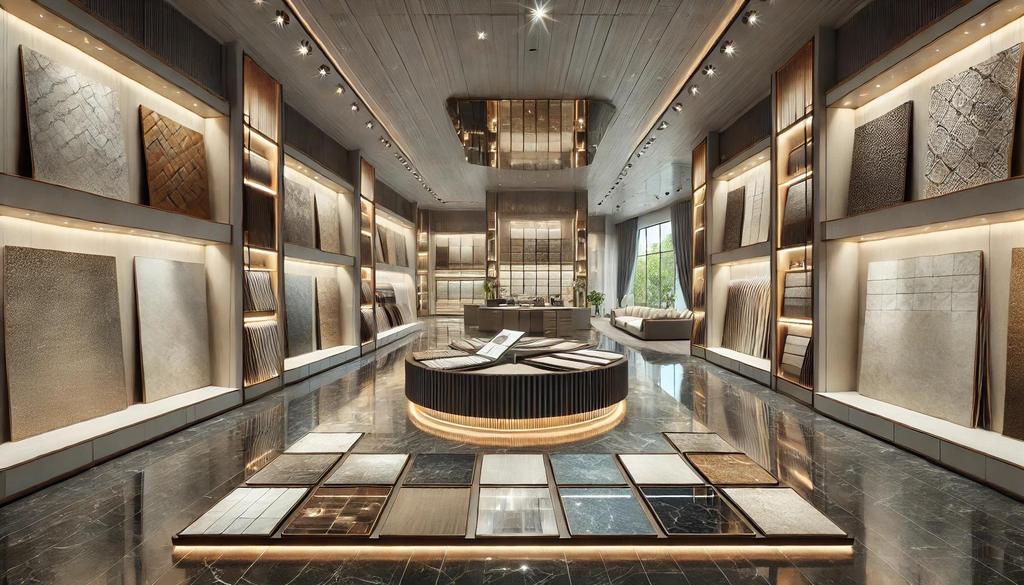
Selecting the most suitable flooring option hinges on understanding the unique characteristics of each material available. Epoxy flooring emerges as a strong contender due to its superior durability and ease of maintenance, making it ideal for high-traffic areas such as garages and commercial settings. Conversely, vinyl flooring offers versatility and water resistance, making it especially well-suited for moisture-prone spaces like kitchens and bathrooms. Tile flooring showcases timeless beauty and longevity, while carpet provides essential comfort in living areas. Additionally, laminate flooring presents an affordable yet attractive alternative, and concrete flooring appeals to those who favor a modern, industrial look.
Your choice should reflect your lifestyle, aesthetic preferences, and specific functional needs. Consider factors such as budget, maintenance requirements, and traffic expectations within the chosen space. Thorough research, comparison of samples, and consultation with flooring professionals can significantly influence your decision-making process. By taking the time to evaluate your options carefully, you can achieve a flooring solution that enhances both the beauty and utility of your environment. Ensure your selection aligns with your personal priorities, providing satisfaction for years to come.

