
In 2026, the definition of manufacturing excellence has shifted. Efficiency is no longer about optimizing individual departments. Instead, the focus is on how well systems talk to one another across every layer of the factory. The winners are no longer those who simply automate tasks but those who integrate them into a cohesive digital architecture.
From ERP systems that manage enterprise resources to edge computing platforms that process real-time data on the shop floor, modern manufacturers are building tech stacks that align operational planning with real-time production. This integrated approach is transforming performance not only at the machine level but across the entire value chain.
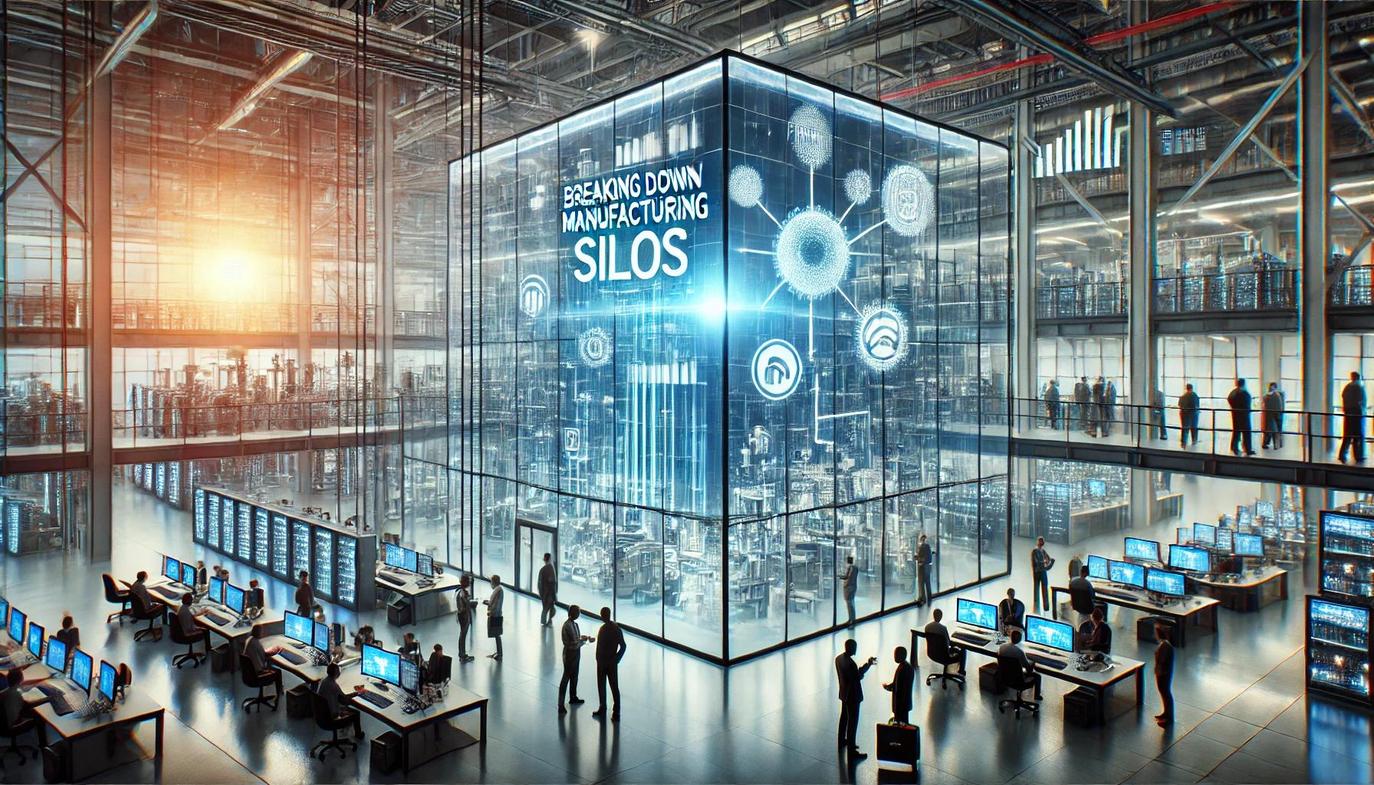
Breaking Down Manufacturing Silos
Enterprise Resource Planning systems remain essential. They standardize data across functions like finance, inventory, and procurement. But ERP platforms were never designed to handle second-by-second data from CNC machines, robots, or smart sensors.
Strategic integration bridges the gap between static records and dynamic operations. Leading manufacturers are now layering their ERP software with specialized tools that pull real-time shop floor insights directly into strategic planning.
ERP Alone is No Longer Enough
Layering ERP software with specialized tools allows manufacturers to capture high-resolution insights that were previously inaccessible. Real-time monitoring now covers a wide range of critical operational variables:
- Instant machine availability and uptime status
- Dynamic energy consumption and utility load
- Granular quality metrics and defect rates
- Live supply status and raw material tracking
Monitoring these metrics in real time enables managers to make strategic adjustments that traditional systems simply cannot facilitate. To make this shift possible, many organizations are embedding microcontroller-driven sensors at key points in the production process. Some are turning to industrial microcomputing platforms that enable compact data collection and control without latency, bringing ERP systems closer to real-world conditions.

Edge Computing Enables Immediate Response
Cloud-based analytics are powerful, but they come with a delay. Edge computing flips this model by placing processing power directly at the site of data generation. Machines, robots, and systems no longer need to send data to a remote server and wait for a decision. Instead, the edge can analyze, learn, and act locally.
Low-latency applications, such as real-time quality checks or safety interlocks, demand this localized processing power. Edge devices can make split-second decisions based on machine vibrations, pressure, or heat—triggering alerts or even stopping production if thresholds are breached.
However, powering these edge setups requires more than just devices. It involves smart infrastructure such as custom-fit harnesses and shielded wiring that support reliable data flow. Industrial facilities now invest in specialized wire harness systems for automation environments to ensure stable signal transmission across dynamic shop floor conditions.
From Data Visibility to Closed-Loop Control
One of the biggest shifts brought by integrated systems is the transition from visibility to control. Legacy models relied on historical dashboard reviews, whereas modern setups utilize automatic data loops to adjust processes instantaneously.
If a batch of components is running too hot, a temperature sensor doesn’t just alert the technician—it sends instructions to slow the feeder motor or open ventilation dampers. This kind of closed-loop logic is essential in high-mix, low-volume environments where variability is constant.
To make this possible, manufacturers rely on digital twins, logic-driven PLCs, and AI algorithms trained on production patterns.
Effective data control also requires visual calibration tools to help map changes across surfaces or products. In some workflows, operators use visual marker generators for inline inspections or pattern detection, blending physical and digital tools into a seamless process.

Interfacing Between Legacy and Modern Systems
Legacy equipment represents a significant hurdle to full integration. Many factories still run machines that were built long before IoT or APIs existed. Full machine replacement is rarely practical, prompting companies to develop middleware strategies that bridge the gap between legacy hardware and modern software.
Modernization often involves retrofitting legacy machines with sensors, interfacing hardware, or PLC translators that allow them to communicate with modern MES or ERP systems. The goal is to extract usable data without disrupting production.
Some organizations are further supporting this hybrid approach with configurable monitoring setups. Solutions like adaptive dashboards and versatile integration layers from sources like industrial monitoring platforms help operators unify data streams from both new and legacy equipment.
System Integration is a Strategic Differentiator
The more connected a system becomes, the more strategic its role in the business. Modern connectivity shifts the focus beyond simple output metrics. Strategic integration provides the infrastructure necessary to handle multifaceted business requirements.
Integrated systems deliver value through several key functional areas:
- Advanced product customization and configuration
- Automated compliance and audit documentation
- Predictive and remote maintenance protocols
- Interactive workforce training and skill development
Universal integration ensures that the digital stack serves the entire enterprise rather than just the production line. Data flowing through these systems becomes a unified record of operational reality, eliminating duplicate entries and process uncertainty. That truth improves cross-departmental alignment—from engineering and supply chain to finance and operations.
As remote operations and digital supply networks become the norm, real-time systems provide the agility required to respond to disruptions. Companies that embed smart integration across their stack gain resilience by design.
Even non-manufacturing functions are now being looped into the factory data fabric. For instance, user experience teams, training staff, or safety auditors might interface with data hubs powered by factory-facing analytics layers that serve up filtered, role-specific information.
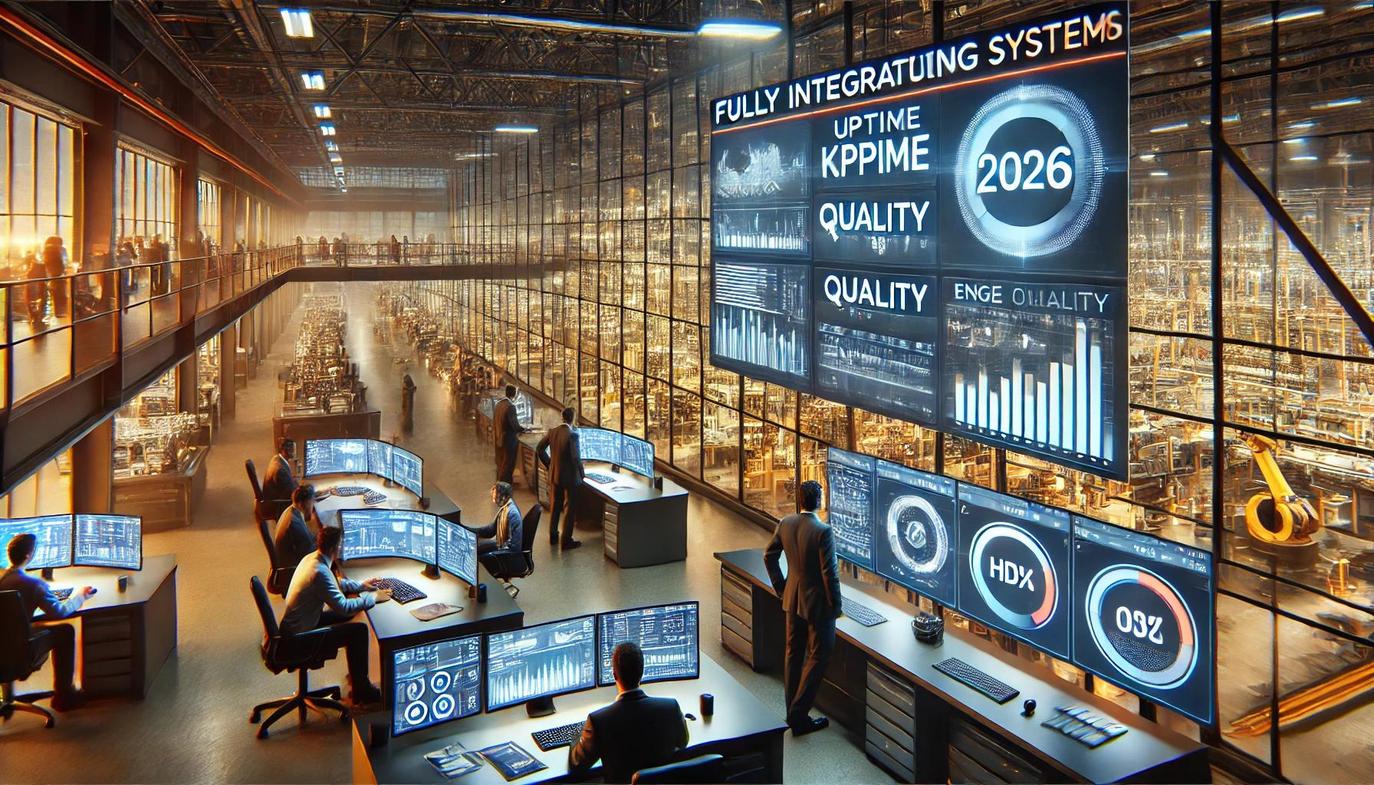
Scaling Integration Without Losing Control
Integration should not mean complexity. In fact, the most effective systems are those that consolidate complexity behind user-friendly layers.
Low-code automation builders, modular connectors, and contextual dashboards are helping factories grow their digital capabilities without overwhelming their staff. Manufacturers are also investing in change management and cross-training. The shift to integrated systems often requires new mindsets and cross-functional thinking. Teams that once operated in silos now need to collaborate on system design, process logic, and data interpretation.
Successful integration combines digital precision with human flexibility to achieve optimal results. Rather than replacing the workforce, these systems provide operators with cleaner inputs, smarter tools, and more actionable insights.
Optimizing Manufacturing Performance Through Intelligent Integration
Achieving a truly connected enterprise requires more than just installing new software; it necessitates a holistic alignment of hardware, data, and human expertise. Weaving ERP systems together with edge computing and real-time monitoring creates a fabric of visibility that spans from the smallest sensor to the boardroom. This architectural synergy ensures that every decision is backed by the most current data available, reducing waste and accelerating the path to market.
Future-proofing the factory environment depends on a commitment to continuous digital evolution. As machine learning and autonomous triggers become standard components of the production loop, the ability to maintain a unified record of operational reality becomes a primary competitive advantage. Factories that embrace this intelligent, end-to-end connection will lead the next decade of industrial innovation, turning complexity into a catalyst for growth.
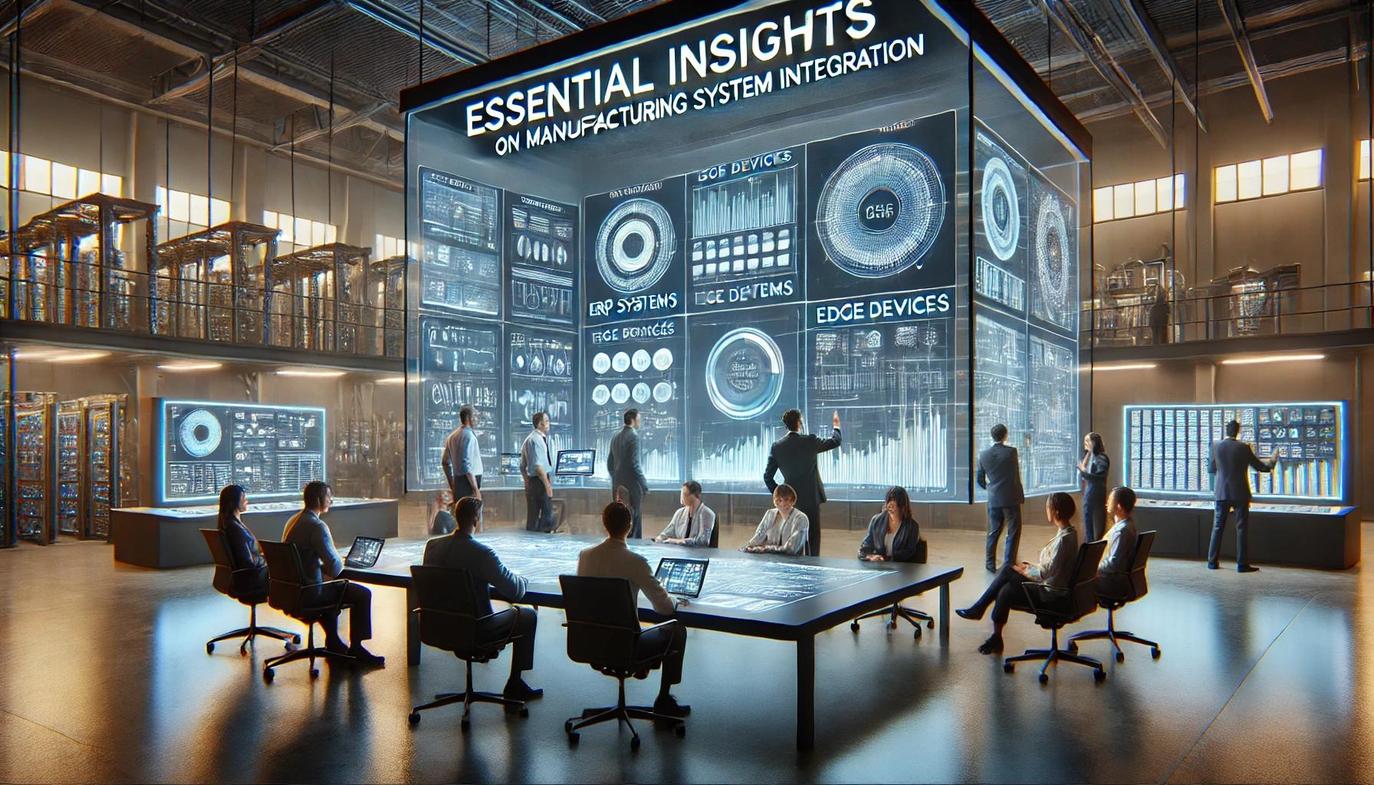
Essential Insights on Manufacturing System Integration
How does edge computing improve factory performance?
Edge computing reduces latency by processing data at the source, allowing for split-second decisions and real-time machine adjustments without waiting for cloud-based analysis.
Can legacy machines be integrated with modern ERP systems?
Yes, legacy equipment can be retrofitted with sensors and middleware translators to feed critical production data into modern management platforms.
What are the benefits of connecting ERP with shop floor data?
Linking ERP to the shop floor provides a single source of truth, improving inventory accuracy, procurement planning, and cross-departmental alignment.
Why is closed-loop control important in modern manufacturing?
Closed-loop control allows systems to automatically adjust processes based on sensor feedback, ensuring consistent quality and reducing the need for manual intervention.
How do integrated systems support supply chain resilience?
Real-time data visibility across the entire value chain enables manufacturers to respond faster to disruptions and adapt production schedules based on actual resource availability.


