
Dr. Paulo Mirpuri, the CEO of Portuguese airline Hi Fly, confirmed that the airline aims to become carbon neutral by the end of 2021.
Airlines all around the world are doing what they can to cut loose of the negative association between CO2 and flying. For example, the International Air Transport Association (IATA) promises a 50% reduction in carbon emissions, the International Airline Group (IAG) has aimed to become carbon neutral.

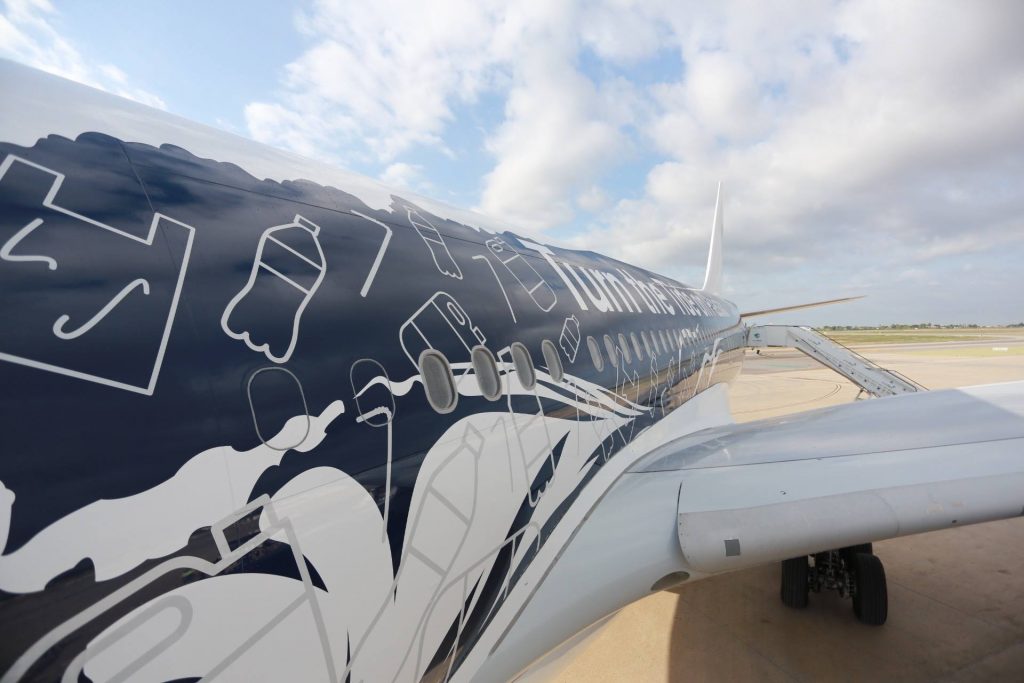
Hi Fly is well known for its plastic-free flights, its eye-catching uniforms, and for promoting an end to plastic waste and the preservation of the natural environment. It’s founders, the Mirpuri family, set up the Mirpuri Foundation, which is a non-profit organization working to improve the world.
Dr. Mirpuri explained how the airline is going to achieve carbon-neutral operations in less than two years, he said:
We are working pretty hard in that respect. There are many things that we are doing. On one side, we are innovating our fleet to incorporate more efficient aircraft. This is the reason we are bringing in the A330neos. We are investing in new technology, too; I expect to be able to announce more about this later in the year.

In the summer of 2019, they took delivery of its first A330neo. Airbus will be delivering a total of ten A330neo’s to the airline, complete with unique interiors and beautiful Hi Fly uniforms.
There are many airlines involved in carbon offsetting of their flights, including Emirates, Qantas, Virgin Australia, Delta Airlines, British Airways, Jetstar, Air New Zealand, United Airlines, Air Canada, JetBlue Airways, EasyJet, Gulf Air and now we can add Hi Fly to that list. Carbon offsetting flights are increasingly seen as the best short-term solution to reaching carbon-neutral goals.
Dr. Mirpuri explained:
We are working on a large-scale program that will allow us to offset our emissions. We have a team of scientists working on linking carbon offsetting with ocean regeneration. Ultimately, what this means is that once implemented, the program will create reforestation of dead zones in the ocean. Out there, those algae plants will capture carbon. Hopefully, this will be measurable, can be certified, and will be able to offset all of the Hi Fly emissions. If the program is successful, we hope to make it available for many more airlines.
Since algae forests are less prone to deforestation than trees planted on land are, oceanic reforestation is a smart idea, and it’s far more likely to result in long-term changes.


