
Few architectural styles capture the imagination quite like hobbit homes. With their iconic round doors, grass-covered roofs, and cozy interiors built into the hillside, these earth-sheltered dwellings feel like they belong in a storybook. But hobbit homes are far more than a Tolkien-inspired fantasy; they represent one of the most energy-efficient and resilient forms of housing available today.

From prefab kits you can assemble in days to custom underground residences, hobbit homes offer a compelling blend of sustainability, durability, and charm. This guide covers everything you need to know: what defines a hobbit home, how much one costs, the best kit options, building codes, and where you can experience one yourself.
What Is a Hobbit Home?
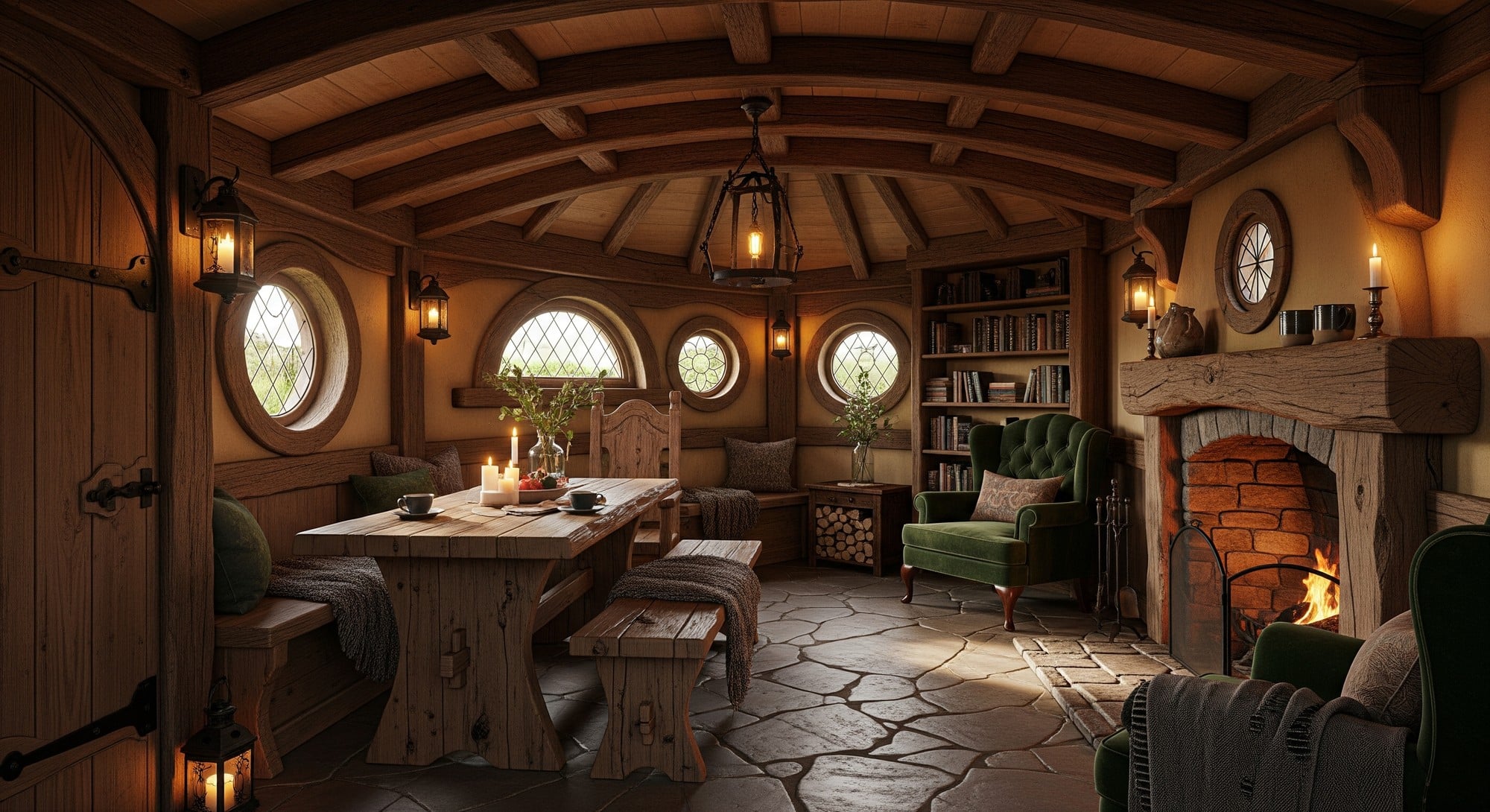
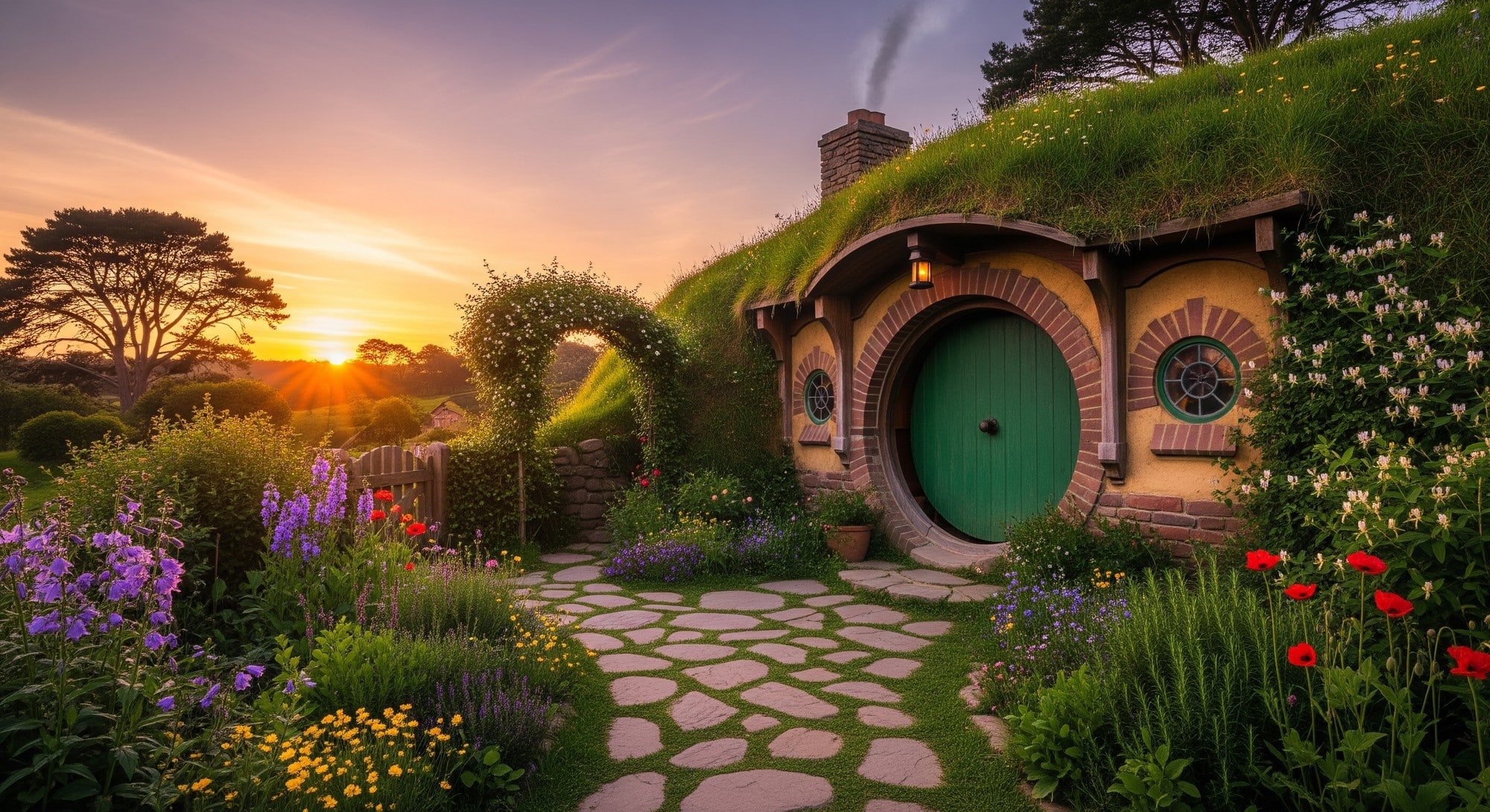
A hobbit home is an earth-sheltered dwelling characterized by a rounded, often circular design that blends seamlessly into the surrounding landscape. The defining feature is a soil-covered green roof that provides natural insulation, while the structure itself is partially or fully embedded into a hillside. Round doors, arched ceilings, and natural materials like wood and stone complete the aesthetic made famous by J.R.R. Tolkien’s Middle-earth.
Technically speaking, hobbit homes fall under the broader category of earth-sheltered or bermed housing. They share DNA with traditional underground dwellings found across cultures, from Icelandic turf houses to the yaodong cave homes of northern China, but with a distinctly whimsical, cottage-like character. Unlike a standard bermed home, which may look conventional from the outside, hobbit homes lean fully into their fairy-tale appearance.
The Benefits of Earth-Sheltered Living
The appeal of hobbit homes goes well beyond their looks. Earth-sheltered construction offers measurable advantages in energy efficiency, safety, and long-term savings.
According to a review published by IntechOpen, earth-sheltered homes in mid-temperate zones can achieve energy savings of 60 to 70 percent compared to above-ground structures. The surrounding soil acts as a thermal mass, absorbing heat during the day and releasing it slowly at night. This natural temperature regulation means lower heating bills in winter and reduced cooling costs in summer.
Additional benefits include:
- Storm and fire resistance: Being partially underground provides inherent protection against tornadoes, hurricanes, and wildfires.
- Soundproofing: The earth surrounding the structure dramatically reduces outside noise, creating an exceptionally quiet interior.
- Lower maintenance: With most exterior surfaces protected by soil, weathering, repainting, and exterior repairs are minimal.
- Reduced insurance costs: The structural resilience of earth-sheltered homes often translates to lower insurance premiums.
- Environmental integration: Green roofs support local biodiversity, absorb rainwater, and reduce stormwater runoff.
How Much Does a Hobbit Home Cost?
The cost of a hobbit home varies dramatically depending on the approach you take. A DIY build using recycled materials can cost as little as a few thousand dollars, while a fully customized, turnkey underground residence can exceed $150,000. Most projects fall somewhere between $100 and $200 per square foot, according to Angie’s List.
Here is how the main options compare:
| Approach | Cost per Sq Ft | Total Estimate (200 sq ft) | Skill Level Required | Build Time |
|---|---|---|---|---|
| DIY with recycled materials | $5–$25 | $1,000–$5,000 | High | Weeks to months |
| Green Magic Homes kit | ~42 | $8,000–$14,000 | Low to moderate | 3 days (assembly) |
| Revonia modular | $90–$130 | $18,000–$48,000 | Low (professional install) | Varies |
| Custom architect-designed | $100–$200 | $20,000–$150,000+ | None (contractor-built) | Several months |
Several factors influence the final price tag. Site preparation — particularly excavation into a hillside — can be a significant expense. Waterproofing is critical and should never be skimped on. Interior finishes, plumbing, electrical work, and HVAC systems all add to the total. And if local building codes require an engineer-stamped structural design, this adds professional fees upfront.
Hobbit Home Kits and Prefab Options
For those who want the hobbit home experience without starting from scratch, several manufacturers offer prefabricated kits that simplify the process considerably.
Green Magic Homes produces modular, prefabricated vaulted panels made from composite laminate materials. The panels are lightweight enough that three people can assemble a basic structure in about three days, with no heavy equipment required. Perforated flaps on each panel allow them to be screwed and sealed together, creating a waterproof shell that is then covered with soil and vegetation. Pricing starts at approximately $42 per square foot for the shell kit.
Revonia, based in Estonia, manufactures arched concrete modules that can be combined to create underground homes of virtually any size. Their hobbit house technology has been used in resorts across Europe, including the Apukka Resort in Finnish Lapland and the Kaamos suites built into a hillside in Aavasaksa. Revonia homes arrive as fully finished concrete vaults and are installed professionally, making them a more hands-off option.
For budget-conscious builders, basic prefab kits are also available through international marketplaces like Alibaba, with prices starting as low as $3,800 for a small module. These typically require more customization and finishing work on the buyer’s end.
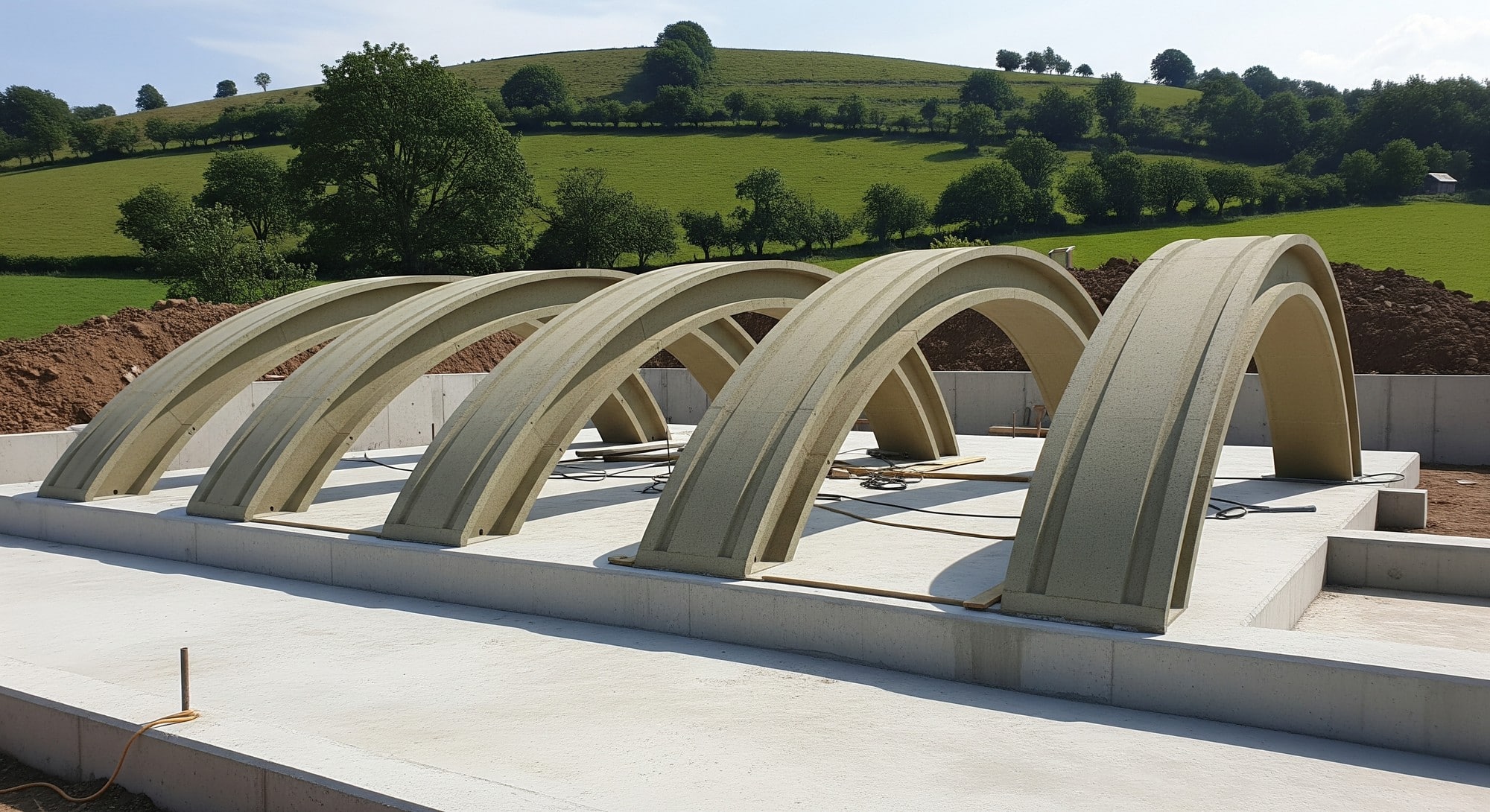
Once assembled, the shell is covered with soil and vegetation to create the iconic hobbit home look. The modular nature means you can start small and expand over time.

Can You Build a Hobbit Home Yourself?
Yes — and several determined DIY builders have done exactly that. The key is understanding the structural and moisture-management challenges before you break ground.
A successful DIY hobbit home requires careful attention to:
- Waterproofing: This is the single most important aspect of earth-sheltered construction. A high-quality waterproof membrane, combined with proper drainage systems, prevents moisture from penetrating the living space.
- Structural integrity: The roof and walls must support the weight of the soil above. Arched or domed shapes naturally distribute this load, which is why most hobbit homes use curved designs.
- Ventilation: Earth-sheltered homes need mechanical ventilation to manage humidity and ensure fresh air circulation. Heat recovery ventilators are a popular choice.
- Insulation: While soil provides natural insulation, additional layers of rigid foam insulation are typically installed on the exterior of the waterproof membrane in colder climates.
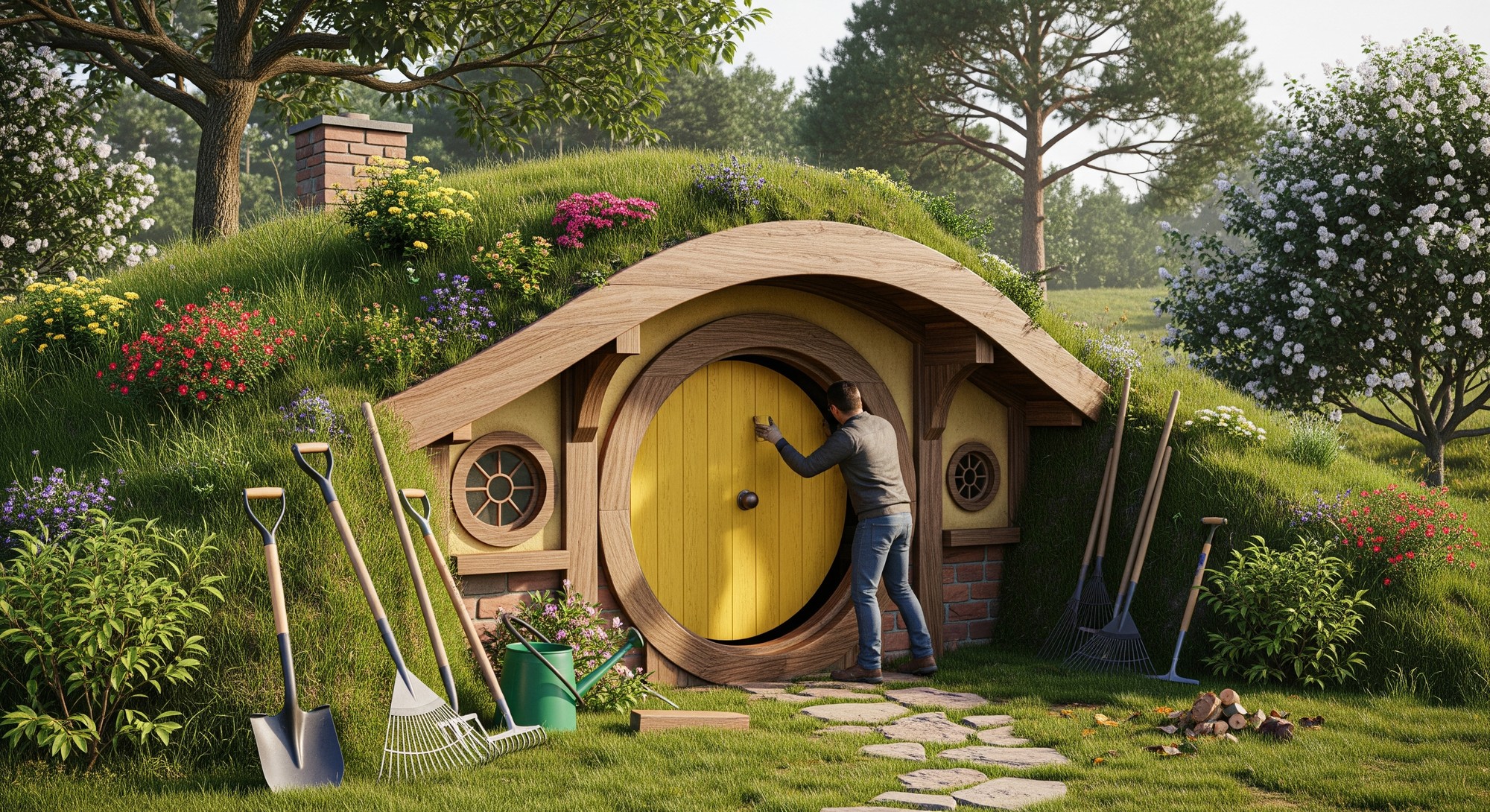
Mother Earth News estimates that a conventional earth-sheltered build can range from $75 to $100 per square foot when working with contractors. DIY builders who source reclaimed materials and do most of the labor themselves, similar to the dome home DIY approach, have completed small hobbit homes for as little as $1,000, though this requires significant skill and time.
Are Hobbit Houses Legal? Building Codes and Permits
The short answer is yes, hobbit homes are legal in most places, but they face more regulatory hurdles than a conventional house. Because earth-sheltered construction is uncommon, many local building departments have limited experience with it, which can slow the permitting process.
Key regulatory considerations include:
- Building codes: Most jurisdictions require compliance with the International Residential Code. Earth-sheltered structures must meet the same standards for structural integrity, electrical systems, plumbing, and fire safety as above-ground homes.
- Zoning: Some municipalities restrict the height, appearance, or type of dwelling permitted on a given lot. Green roofs and partially buried structures are generally allowed in rural and semi-rural zones, but urban areas may have stricter rules.
- Moisture and ventilation requirements: Building inspectors will pay close attention to waterproofing and ventilation plans, as improper moisture management can lead to mold and structural damage.
- Financing and insurance: Because hobbit homes are non-traditional, some lenders may be hesitant to offer a standard mortgage. Specialized construction loans or cash financing are more common. Home insurance is generally available, though you may need to work with a broker familiar with alternative construction.
Real Hobbit Homes You Can Visit
If you are not ready to build your own, you can experience hobbit home living firsthand. A growing number of earth-sheltered dwellings around the world welcome overnight guests.
- Hobbiton, New Zealand: The original movie set from The Lord of the Rings and The Hobbit trilogies, now a permanent attraction with 44 hobbit holes built into the rolling hills of Matamata.
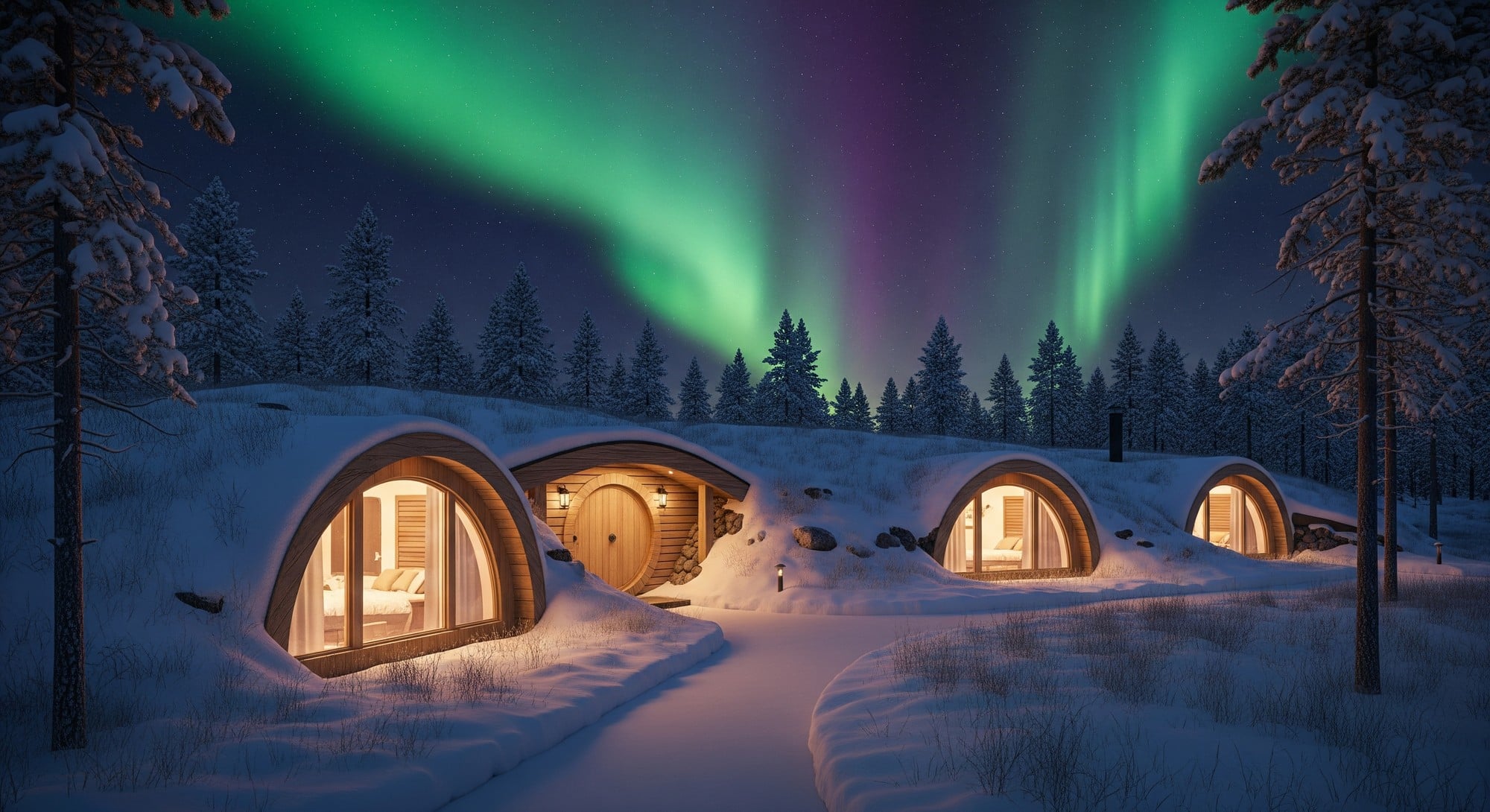
- Apukka Resort, Finland: Underground “Kammi” suites in Finnish Lapland offer luxury accommodations with skylight views of the Northern Lights.
- Wildlands, England: A romantic underground “Nest” cabin in Suffolk, complete with an outdoor hot tub and curved, wood-paneled interior.
- Riverberg, Estonia: A cozy underground holiday cottage on the banks of the Väike Emajõgi river, built using Revonia modular vaults.
- Various USA rentals: From Tennessee to Arkansas, hobbit-inspired Airbnbs with round doors and green roofs are increasingly popular across the United States.
Frequently Asked Questions
What are Hobbits’ houses called?
In Tolkien’s world, hobbit homes are called “hobbit holes” or “smials.” Bilbo Baggins’ residence, Bag End, is the most famous example. In real-world architecture, these structures fall under the categories of earth-sheltered homes, bermed homes, or underground houses. The term “hobbit home” is now widely used to describe any rounded, earth-covered dwelling with a storybook aesthetic.
How much does it cost to build a hobbit home?
Costs range from around $1,000 for a bare-bones DIY build using recycled materials to $150,000 or more for a custom-designed, fully finished home. Most projects cost between $100 and $200 per square foot. A prefab kit from a manufacturer like Green Magic Homes starts at roughly $42 per square foot for the shell, with interior finishing costs added on top.
Where are real-life Hobbit houses located?
You can find hobbit-style homes and rentals across the globe. The Hobbiton movie set in New Zealand is the most famous, but operational hobbit homes exist in Finland (Apukka Resort), Estonia (Revonia builds), England (Wildlands Suffolk), Latvia, and throughout the United States. Many are available as vacation rentals through platforms like Airbnb.
Are Hobbit houses legal?
Yes, hobbit homes are legal to build in most areas, provided they comply with local building codes, zoning regulations, and permit requirements. Because earth-sheltered construction is less common than standard building methods, you may need to work closely with your local building department and hire professionals experienced in underground waterproofing and structural engineering. Financing can be more challenging than for a conventional home, so plan accordingly.
Is a Hobbit Home Right for You?
Hobbit homes are not for everyone — and that is part of their charm. They reward those who value energy efficiency, quiet living, and a deep connection with the landscape. They demand more planning and a higher initial investment in waterproofing and site preparation than a standard build. But for the right person, the result is a home that is as practical as it is magical: comfortable year-round, remarkably resilient, and unlike anything else on the block.


