
Technology has always played a significant role in education and the ways we learn. However, recent technological progress has transformed how we view the learning process. Modern technology has numerous ways to diversify and enhance classical learning approaches by making them more relatable and relative to younger audiences, used to teach presence in their lives. Thus, education relies on technology to become more engaging, personalized, and accessible. Let’s see all the ways technology has changed learning.
Engagement and Interactivity
First, technology has revolutionized how students engage and interact with learning material. Of course, classrooms have always been changing along with technological progress. However, it is only recently that technological advances have been able to completely change how we view education, conduct lessons, and deliver materials.
For example, students can enjoy numerous interactive digital tools when studying at home or in school. Thus, modern learning can be held with tools like virtual and augmented reality, simulations, games, and different educational software. These new pieces of technology have made learning more engaging and entertaining than ever before.
Students now stay more focused on the task, look forward to their lessons, stay motivated and inspired, and increase participation and memory retention. After all, we learn better while enjoying ourselves and having fun. This new technology can ensure just that.
These new tools offer a more practical learning experience, including many visuals and more active (instead of passive) approaches to explaining complex concepts and new information.
Teamwork and Cooperation
Technology has made it easier for students to collaborate on projects regardless of their physical location. With cloud-based tools, such as Google Docs and Dropbox, students can work on a project together in real-time, sharing ideas, feedback, and resources. This technology makes it very easy to collaborate and brainstorm without gathering in a single location.
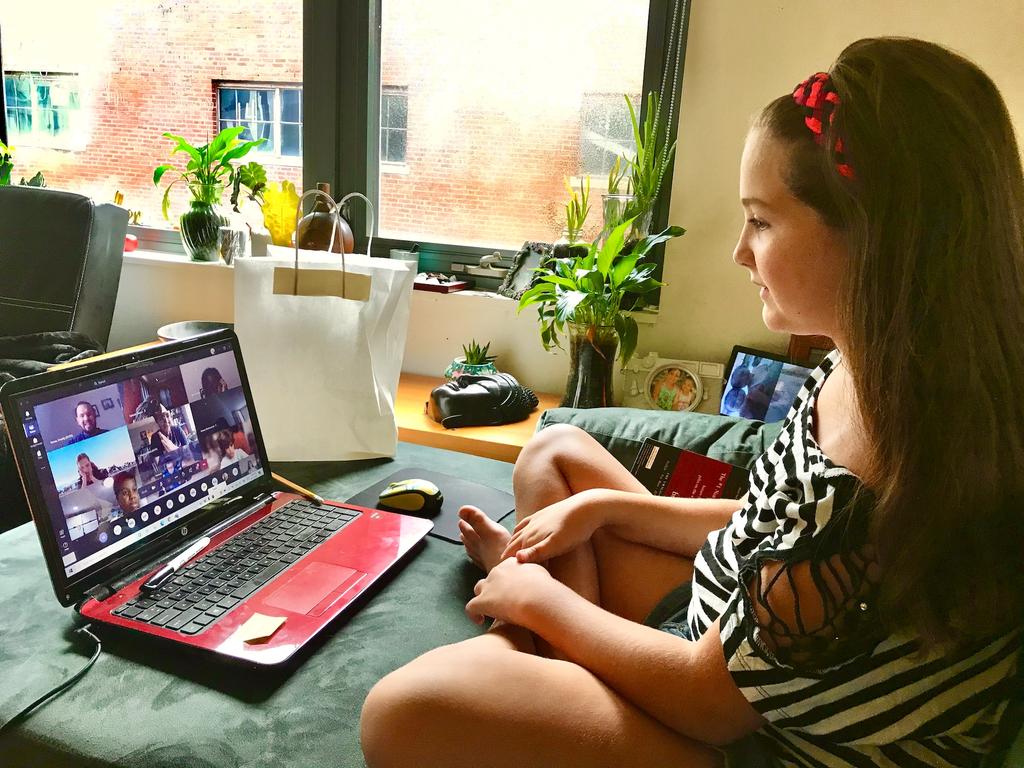
Additionally, video conferencing tools like Zoom and Skype have made it easier for students to communicate and collaborate remotely. Thus, students can always contact their peers, teachers, and coworkers on projects. Such tools help students solve any teamwork issues on the go within minutes, enabling them to work together on assignments and projects at any place and at any time.
Access to Information
Technology has made it easier for students to access information and resources beyond what is available in textbooks and classrooms. With the internet, students can complete research on any topic, access online libraries and databases, and find various educational resources, including podcasts, videos, and online courses.
In addition, access to information has also helped educators expand their teaching materials and seek more diverse and engaging resources for students.
Overall, such changes have made learning more accessible and enabled students to explore their interests and be more self-reliant and independent in their pursuit of knowledge. For instance, they can hire professional writers through services such as WritePaperFor.me to research or write papers on topics of interest.

Remote Learning
Schools and universities worldwide have shifted to online learning over the recent years. Modern technology has made remote education widely available and accessible due to various digital tools, such as cloud platforms, video conferencing platforms, and online collaboration tools.
Students can receive lessons from anywhere in the world anytime, with Internet access and a computer. In addition, plenty of remote learning tools help you study abroad.
Students can also rely on various management and connectivity tools, bringing students and academics closer together. Plus, remote learning has made education more flexible. It has enabled teachers to create personalized learning experiences tailored to individual student needs.
People can now learn independently from the school system as well. They don’t need to enroll in college classes, hire tutors, or attend seminars to learn what they want. Instead, people can rely on web applications and online courses to extend their knowledge or master new professions.
Personalization
Technology has let teachers personalize and differentiate lessons based on each student’s learning needs and preferences. For instance, adaptive learning software can help teachers track each student’s progress and provide improved, customized learning experiences targeting areas of weakness.
Additionally, digital tools, such as online quizzes and games, allow for immediate feedback, which helps teachers adjust their instructions and meet students’ needs.

Career Preparation
Today’s children have already grown up with technology and modern devices all around them. Of course, such massive tech influence will only grow with time. The education system understands that tech education should ensure young students’ future in the job market. Hence, it is highly targeted toward teaching students to work with and rely on technology in their work and study processes.
Schools and universities are incorporating more technology-related courses and programs into their curricula in order to prepare their students for their future careers. Moreover, with the increasing importance of technology in the workplace, students need to navigate all the technological changes, novelties, and nuances of such cooperation.
Technology has also made it easier for students to access various training and other programs that help them develop different skills needed for today’s workforce. Thus, technological presence in education can help prioritize more practical, hands-on learning experiences that prepare students for real-world careers.
Conclusion
As we can see, technology has brought a significant change to the way we approach education. From improving engagement and interactivity to increasing access to information, remote learning, personalization, and career preparation, technology has made education more accessible, personalized, and engaging. As we continue to embrace the benefits that technology has to offer, we can expect even more significant changes in the future. The possibilities are endless, and we have only begun to scratch the surface. As we continue to explore and innovate with technology, the future of education is looking bright.


