
Aging does not have to come with the discomfort of back pain. Maintaining a healthy spine is essential for preserving mobility, activity levels, and pain-free life as you grow older. Fortunately, you can adopt several effective habits to support a strong, resilient spine at any age. This guide explores practical methods to help your spine age gracefully, minimizing potential issues and promoting overall well-being. Continue reading to discover ways to care for your spine and enhance your quality of life.
Make Good Posture A Priority
Good posture is one of the best things you can do for your spine. When you slouch or sit hunched over, you put stress on your spine and can create alignment issues over time. Good posture keeps the spine in its natural, healthy alignment and reduces unnecessary strain.
Begin by keeping your shoulders back. Sitting up straight with your shoulders pulled back can make a world of difference. Then, align your hips and ears when standing or sitting.
Finally, be mindful of your device screen time. Too much screen time strains the neck and spine. Raise screens to eye level to reduce this strain.
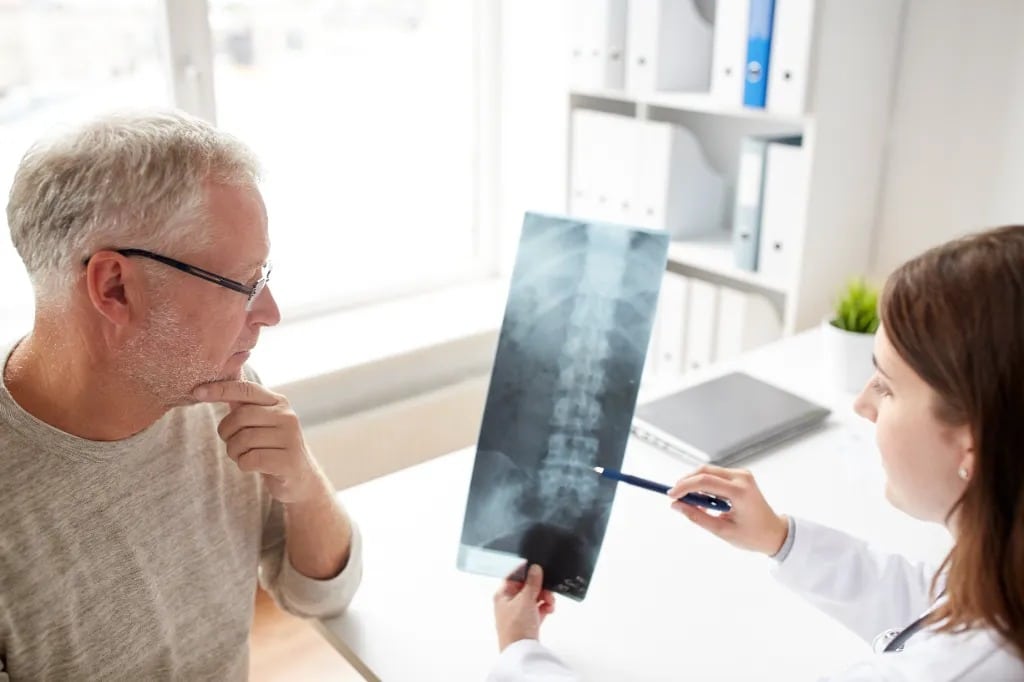
Spine health is a widespread concern affecting people across all regions. If you’re facing a spine-related issue, reaching out to healthcare professionals can make a difference. For those in the area, a variety of hospitals and clinics offer accessible spine pain treatment in Singapore, supported by highly skilled and trained professionals. These healthcare providers are equipped to address the underlying causes of spine issues, whether they stem from years of poor posture or other contributing factors.
Stay Active and Keep Moving
Regular physical activity is one of the best ways to support spine health as you age. Exercise strengthens the muscles surrounding your spine, providing stability and enhancing flexibility—key factors in protecting your back from potential injuries.
Start with core workouts to build a strong foundation. A strengthened core relieves pressure on the spine by adding stability. Exercises like planks and bridges are particularly beneficial for spinal health. Next, include low-impact activities such as swimming, walking, and cycling. These activities reduce strain on your joints and spine, making them ideal for maintaining mobility as you get older.
Finally, make stretching a regular part of your routine. Flexibility helps keep your spine aligned and promotes smooth, pain-free movement. Simple stretches for your back, hamstrings, and hips are crucial in maintaining spine health over time.
Watch Your Weight
Maintaining a healthy weight is more important than you might realize for your spine. Carrying excess weight, especially around the midsection, adds pressure to the spine and may lead to misalignment. Managing weight helps reduce this strain, protecting your back from potential long-term issues.
For beginners, focus on a balanced diet. Prioritize nutrient-dense whole foods that support bone health, including those rich in calcium, vitamin D, and magnesium. Staying hydrated is equally essential, as it helps maintain the elasticity and health of spinal discs, which act as cushions for your vertebrae.
Strengthen Your Back and Core Muscles
Your back and core muscles provide crucial support for your spine. Strong muscles in these areas act as a natural brace for your back, taking pressure off the spine itself.
Incorporate resistance training into your routine. Strength exercises, especially those targeting the back and core, build muscle that supports your spine. Whether using weights or bodyweight exercises, prioritize proper form to prevent injury. Exercises like squats, lunges, and leg lifts effectively engage the core, promoting spine stability, improving balance, and reducing back pain.

Avoid Prolonged Sitting
Sitting for long periods can take a toll on your spine. Prolonged sitting compresses the discs in your spine and can lead to back pain over time. Try to limit sitting time and incorporate movement into your day.
Take regular breaks by standing up or moving around every half hour. Even brief breaks help relieve spinal strain. Opt for ergonomic seating, choose a chair with lumbar support, or place a small cushion behind your lower back to maintain the spine’s natural curve. Additionally, alternating between sitting and standing throughout the day can alleviate pressure on your spine and improve posture over time.
Lift With Your Legs, Not Your Back
Straining your back while lifting heavy or awkward objects is common, but using the correct technique can prevent injury and protect your spine. When lifting, start by bending your knees and using your leg muscles for power. Keep the object close to your body, and avoid twisting your torso while carrying it. Lastly, engage your core muscles before lifting to stabilize your spine and reduce the risk of injury.
Sleep In A Spine-Friendly Position
The position you sleep in has a significant impact on spine health. Certain sleeping positions can put stress on your spine, leading to stiffness or discomfort in the morning.
To start, sleep on your back or side, as these positions better support the natural curve of your spine and reduce strain on your neck and lower back compared to stomach sleeping. Use the right pillow to maintain neck alignment; side sleepers, in particular, benefit from a thicker pillow to keep the neck level with the spine. Lastly, invest in a supportive mattress to enhance spinal support and improve sleep quality overall.

Prioritize Lifelong Spine Health for a Fulfilling Future
Maintaining a healthy spine as you age is vital to enjoying an active, fulfilling lifestyle well into later years. Paying attention to posture, engaging in regular physical activity, and incorporating spine-friendly habits can significantly reduce the risk of back pain and keep your spine strong and resilient. Remember, the spine supports not only physical movement but also overall well-being. Taking consistent care of it should be a lifelong priority to ensure long-term comfort, mobility, and quality of life.


