
Did you know that recycling is one of the easiest ways to help the environment? Not only does it help reduce the amount of waste that goes into landfills, but it also helps conserve natural resources. In this article, we will discuss what recycling is and why it is important. We will also provide tips on how to recycle properly and some of the benefits of doing so!
How does recycling work?
Recycling is the process of taking materials that would otherwise be thrown away and using them to create new products. This can include paper, glass, plastic, aluminum cans, electronics, and more. When you recycle these items instead of throwing them away, they are sent to specialized facilities where they are sorted into their different materials. From here, they can be used to create new products and packaging instead of using up more natural resources. There are second-hand shops, markets, and donation centers where people can exchange recyclable products.
Why is it important?
Recycling helps reduce the amount of waste that goes into landfills or gets burned. This means fewer greenhouse gases are released into the atmosphere, and there’s less pressure on our natural resources. By recycling, we diminish the requirement for freshly made materials, which in turn reduces energy expenditure during production. Finally, it helps create jobs as people are hired to process and sort the recyclables. There are many benefits to recycling, and it’s essential to do our part in helping save the environment. Making an effort to recycle will aid in preserving the Earth for future generations.
Reduce, reuse, and recycle
When it comes to reducing waste, the best approach is to reduce, reuse and recycle. Reducing means buying only what you need, avoiding packaging and single-use items where possible. Reusing means finding ways to use things more than once – for example, using reusable containers instead of plastic bags or bottles.
Finally, when something is no longer usable, it should be recycled so its materials can be used again. Therefore, the best way to reduce, reuse, and recycle is by being conscious of what kind of items we buy and how often. Your impact on the environment can be significantly reduced by making small changes in your lifestyle.
How can you start recycling?
The easiest way to start recycling is by separating your trash into two bins: one for regular waste and one for recyclables. You can also talk to your local waste management company to find out what items they accept for recycling in your area. In some cases, you may be able to drop off certain materials at specialized facilities as well.
You could also consider using an e-crate system, where you simply place your electronic equipment into the e-crate container shipped to your door. The rest is taken care of for you by the company, and you can rest assured that your electronics are being recycled properly.
In addition, you can also look for products that have been made from recycled materials or with recyclable packaging. This helps reduce the demand for new resources and encourages companies to use more eco-friendly materials in their products.
How to recycle properly
In order for recycling to be done correctly, it must be sorted into the right categories. For example, paper should go in one bin, plastic in another, and glass in another. Additionally, any recyclable material must be clean and free of contaminants like food or liquid. Namely, dirty containers and plastic bags can contaminate the recycling process and make it difficult to use materials during manufacturing.
In addition, it’s important to check with your local waste management company, as some items may be prohibited from being recycled. The proper management of these items is essential to ensure that they don’t end up in landfills or get burned. So, before you throw something away, be sure to double-check.
What items are recyclable?
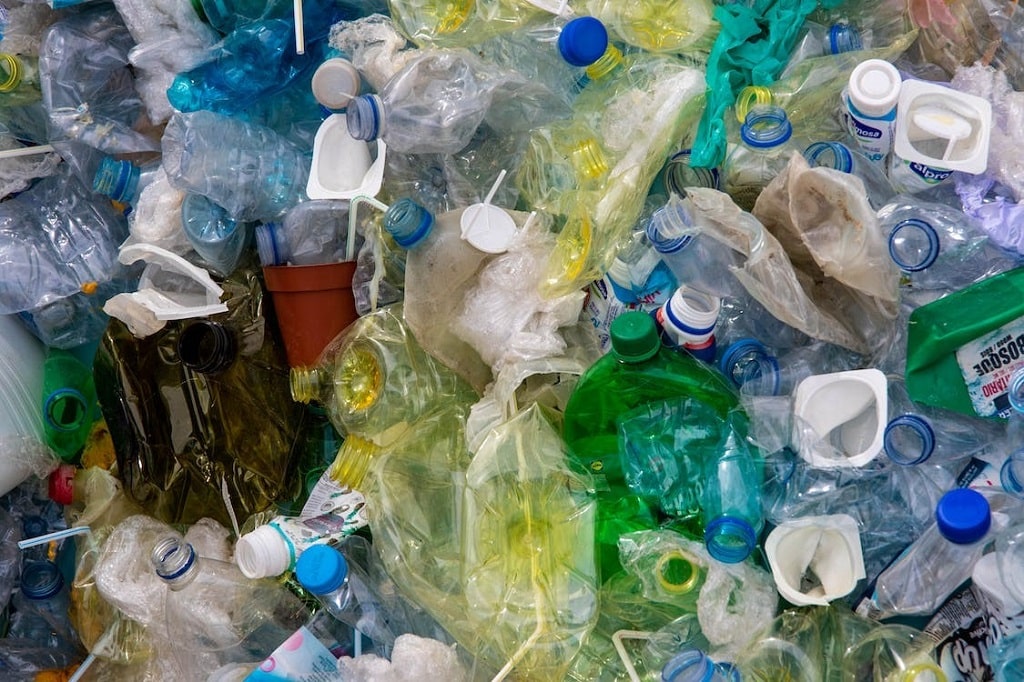
The most common items that can be recycled include paper, glass, plastic, aluminum cans, and electronics. However, this can vary depending on your local area, so it’s best to check with your local waste management company to see what they accept. In some areas, you may also be able to recycle textiles or other materials such as wood or metal.
Moreover, some companies now offer take-back programs for electronics, allowing you to send them back instead of throwing them away. You can also look for items that are made from recycled materials or with recyclable packaging. By choosing these options, you are helping to reduce the amount of waste that goes into landfills or gets burned.
Where does the recycled material go?
Once the recyclable materials have been sorted, they are transported to specialized facilities where they can be made into new products. For example, paper and cardboard can be turned into new packaging or even furniture, while glass and plastic can be used to create new containers or consumer goods.
If the material cannot be recycled, it may be sent to an energy-from-waste plant, where it can be burned for electricity. This helps to reduce the amount of material that needs to be sent to landfills. Even though burning materials is not the most eco-friendly option, it’s still better than sending them to a landfill.

How can you recycle at home?
You can recycle at home by sorting your trash into two bins: one for regular waste and one for recyclables. Once you have separated the materials, you can then find out what items your local waste management company accepts for recycling and how to properly dispose of any other materials.
Additionally, look for products that are made from recycled materials or with recyclable packaging. Choosing these items helps reduce the demand for new resources and encourages companies to use more eco-friendly materials.
Reduce pollution and the need for new materials
Recycling can help to reduce pollution and conserve resources by reducing the need for new materials. By reusing and repurposing items, we can help to decrease greenhouse gas emissions associated with manufacturing processes and reduce waste in landfills or incinerators. Additionally, recycling can create jobs in the local community by providing work for those in the recycling sector.
Overall, recycling is an integral part of reducing our environmental impact and creating a more sustainable future. By taking the time to properly dispose of materials and choose products with less packaging or that are made from recycled materials, we can make an impact on the environment. So, the next time you throw something away, take a minute to think about how you can reuse it or recycle it instead. Together, we can protect the environment and create a more sustainable future.


