
In the healthcare industry, technological advancements continue to revolutionize various aspects of medical services. One such area experiencing significant transformation is medical transcription services.
Traditionally, medical transcription involves manually transcribing dictations from healthcare professionals into written records. However, with the advent of advanced technologies, such as speech recognition software and artificial intelligence (AI), the landscape of medical transcription has undergone a paradigm shift.
This article touches upon the profound impact of technology on medical transcription services, exploring how these advancements have streamlined processes, enhanced accuracy, and ultimately improved patient care.

Enhanced Efficiency through Speech Recognition
Integrating speech recognition technology is one of the most notable advancements in medical transcription services. This technology allows healthcare professionals to dictate patient information directly into a computer system, transcribing spoken words into text.
Unlike traditional transcription methods that rely on manual typing, speech recognition significantly accelerates the transcription process. This efficiency translates to faster turnaround times for medical reports and documentation, enabling healthcare providers to access critical information promptly. Speech recognition technology minimizes the risk of human error inherent in manual transcription, leading to more accurate patient records.
By streamlining the transcription process and enhancing accuracy, speech recognition technology saves time and improves overall healthcare workflow.
Harnessing the Power of Artificial Intelligence
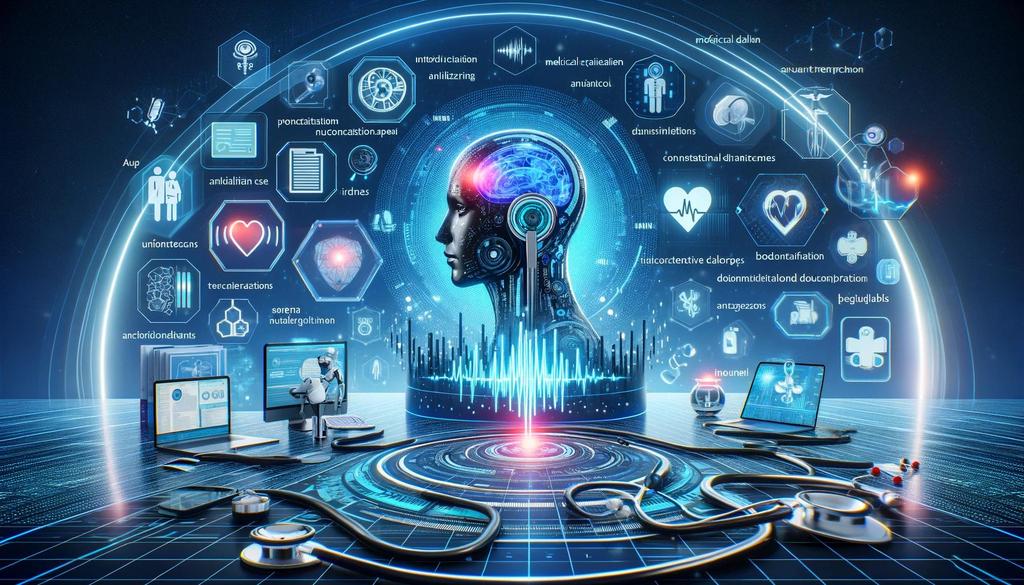
In addition to speech recognition, the integration of artificial intelligence (AI) has further revolutionized medical transcription services. AI-powered transcription systems can analyze and interpret medical terminology with remarkable precision, ensuring the accuracy and completeness of transcribed documents.
Machine learning algorithms enable systems to continuously improve performance by learning from vast amounts of data. As a result, AI-driven transcription services become increasingly adept at understanding context, accents, and specialized medical terminology, leading to more reliable transcripts.
AI can also assist healthcare professionals in identifying patterns and trends within patient data, facilitating more informed decision-making and personalized patient care. Incorporating AI into medical transcription services enhances efficiency and accuracy and empowers healthcare providers with valuable insights for improved patient outcomes.

Ensuring Data Security and Compliance
Amidst the technological advancements shaping medical transcription services, ensuring data security and compliance remains paramount. With the digitization of patient records and the transmission of sensitive information over electronic networks, healthcare organizations must prioritize robust security measures.
Complying with regulations like the Health Insurance Portability and Accountability Act (HIPAA) is crucial to safeguard patient privacy and avoid expensive penalties. Advanced encryption techniques and secure data storage protocols help safeguard patient confidentiality and prevent unauthorized access to medical records.
Technology plays a crucial role in maintaining compliance through features like access controls, audit trails, and regular security audits. By prioritizing data security and compliance, healthcare providers can harness the benefits of technological innovation in medical transcription while safeguarding patient confidentiality and trust.

Fostering Personalized Transcription Services
While technology undoubtedly plays a pivotal role in modernizing medical transcription services, the human element remains irreplaceable. Independent transcribers specializing in transcription for healthcare professionals offer a personalized touch that large, clunky firms cannot replicate.
These professionals possess a deep understanding of medical terminology and nuances, allowing them to capture the intricacies of patient records accurately. Independent transcribers often develop longstanding relationships with healthcare providers, familiarizing themselves with individual preferences and unique documentation requirements.
A personal touch extends beyond mere transcription; it encompasses the ability to adapt and react promptly to evolving needs.

Leveraging Cloud-Based Solutions
Cloud-based solutions have emerged as a game-changer in medical transcription services. By leveraging cloud technology, healthcare providers can access transcription services from anywhere, anytime, using a variety of devices. This flexibility is particularly advantageous in today’s fast-paced healthcare environment, where mobility and accessibility are paramount.
Cloud-based platforms facilitate seamless collaboration among healthcare professionals and transcriptionists, enabling real-time editing, review, and approval of transcribed documents. Moreover, cloud-based solutions offer scalability, allowing healthcare organizations to adjust transcription resources according to fluctuating demands.
The ability to securely store and retrieve transcribed data from the cloud helps healthcare providers streamline workflow processes and enhance productivity while ensuring data integrity and compliance with regulatory standards.
Embracing Telemedicine Integration
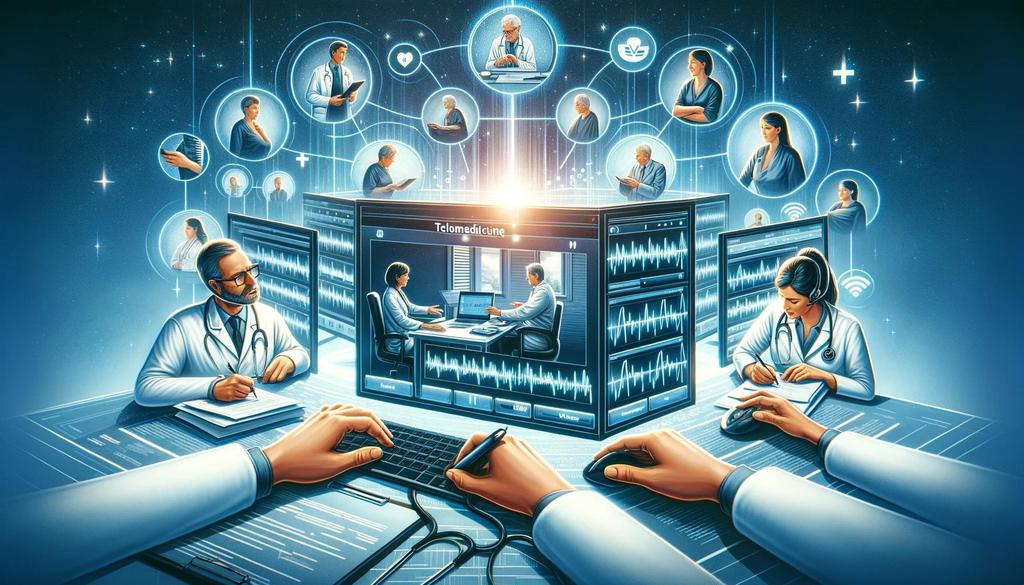
The rise of telemedicine has transformed the delivery of healthcare services, and its integration with medical transcription is no exception. Telemedicine platforms enable remote consultations between patients and healthcare providers, generating a wealth of digital documentation that requires transcription.
Healthcare organizations can streamline the documentation process and improve the patient experience by seamlessly integrating transcription services into telemedicine platforms. Transcriptionists can transcribe consultations in real-time or shortly thereafter, ensuring timely and accurate capture of patient information.
This integration enhances continuity of care by facilitating the seamless transfer of patient data between virtual and in-person encounters. Furthermore, transcription services integrated into telemedicine platforms can enhance compliance with regulatory requirements and streamline billing processes, optimizing operational efficiency and revenue cycle management.

Empowering Patient Engagement and Education
Cutting-edge technologies have given patients more control over their health management, and medical transcription services are pivotal in supporting patient involvement and education. Transcribed medical records provide patients with comprehensive documentation of their healthcare journey, empowering them to make informed decisions about their treatment plans and lifestyle choices.
Patient-friendly summaries or transcripts of medical consultations enable individuals to revisit and understand complex medical information at their own pace. Moreover, transcription services can support patient education initiatives by transcribing educational materials, discharge instructions, and follow-up care plans into accessible formats. This enhancement in patient understanding and involvement in their healthcare is a significant contributor to improved health outcomes and patient satisfaction.
As healthcare continues to evolve towards a patient-centered model, leveraging transcription services to empower patient engagement and education remains essential. These improvements foster collaborative partnerships between patients and healthcare providers, promoting a more involved and informed approach to healthcare.

Technology and Human Touch in Medical Transcription Services
The impact of technology on medical transcription services is multifaceted, revolutionizing traditional practices and enhancing the delivery of patient care. From the efficiency of speech recognition to the insights derived from artificial intelligence, technological advancements have streamlined processes, improved accuracy, and empowered healthcare professionals with valuable insights. Furthermore, the integration of cloud-based solutions, telemedicine, and patient engagement initiatives underscores the transformative potential of technology in shaping the future of medical transcription.
As we continue to embrace healthcare innovation, it is essential to recognize the enduring value of human expertise and personalized care, ensuring that technology remains a tool to augment, rather than replace, the critical role of healthcare professionals in delivering quality patient care. By harnessing the synergies between technology and human touch, medical transcription services can continue to evolve, driving advancements in healthcare delivery and ultimately improving patient outcomes.


