
Healthcare has undergone rapid change driven by technological advancements that promise to redefine how we approach medical imaging. Today, remote diagnostic imaging, or teleradiology, is not just a convenience for healthcare providers—it’s a vital asset that can enhance patient care, increase efficiency, and expand access to critical medical services. This article explores the latest teleradiology innovations and their profound impact on healthcare delivery and patient outcomes.
Understanding Teleradiology and Its Evolution
Teleradiology is the practice of transmitting diagnostic images and related data from one location to another for interpretation and consultation. It began as a way to handle imaging studies during off-hours or to access subspecialist radiologists remotely. However, it has evolved into a comprehensive platform for medical imaging that streamlines workflows and facilitates collaboration among healthcare professionals worldwide.
Benefits of Teleradiology in Modern Healthcare
The primary benefit of teleradiology is its ability to break geographical barriers, connecting patients with expert radiologists regardless of location. It also allows for immediate image transfer and reporting, enabling faster diagnoses and treatment planning, particularly in the event of emergencies.
Regulatory and Technological Advancements
Teleradiology has surmounted numerous regulatory hurdles and has aligned closely with advances in digital health technology, such as cloud computing and artificial intelligence (AI). These technological synergies have made it possible to provide both image processing and diagnostic support across vast distances at an unprecedented speed.

Cutting-Edge Teleradiology Technology
Modern teleradiology platforms integrate the latest technological advancements to enhance the delivery of diagnostic services. From AI-driven image analysis to secure communication tools, here’s a look at some of the cutting-edge solutions driving this sector forward.
AI in Teleradiology: More than a Buzzword
Artificial intelligence is not just a buzzword; it’s a game-changer in teleradiology. AI algorithms are being used to analyze imaging data for anomalies, flagging potential issues for radiologist review. This not only expedites the diagnostic process but also has the potential to improve the accuracy of findings.
The Power of Cloud-Based Systems
Cloud technology has had a profound impact on teleradiology, enabling the storage and transfer of vast amounts of imaging data securely and efficiently. It also enables seamless integration with Picture Archiving and Communication Systems (PACS), providing a comprehensive diagnostic platform. Companies offering cloud-based teleradiology like Studycast allow hospitals to securely store, share, and access imaging data, improving workflow efficiency and supporting faster diagnoses.

Overcoming Challenges in Teleradiology Adoption
While the benefits of teleradiology are clear, widespread adoption is not without its challenges. Issues such as data security, connectivity in remote areas, and the integration of teleradiology into existing healthcare systems require thoughtful consideration.
Ensuring Data Security and Privacy
Teleradiology services handle sensitive patient data, making data security a top priority. Implementing robust encryption, employing secure data centers, and adhering to strict compliance standards help ensure patient privacy and data integrity.
Addressing Connectivity Concerns
In remote or underserved areas, access to high-speed internet can be a barrier to effective teleradiology services. Innovative solutions such as mobile teleradiology units and satellite-based communications are being employed to bridge this gap.
Teleradiology and the New Normal in Healthcare
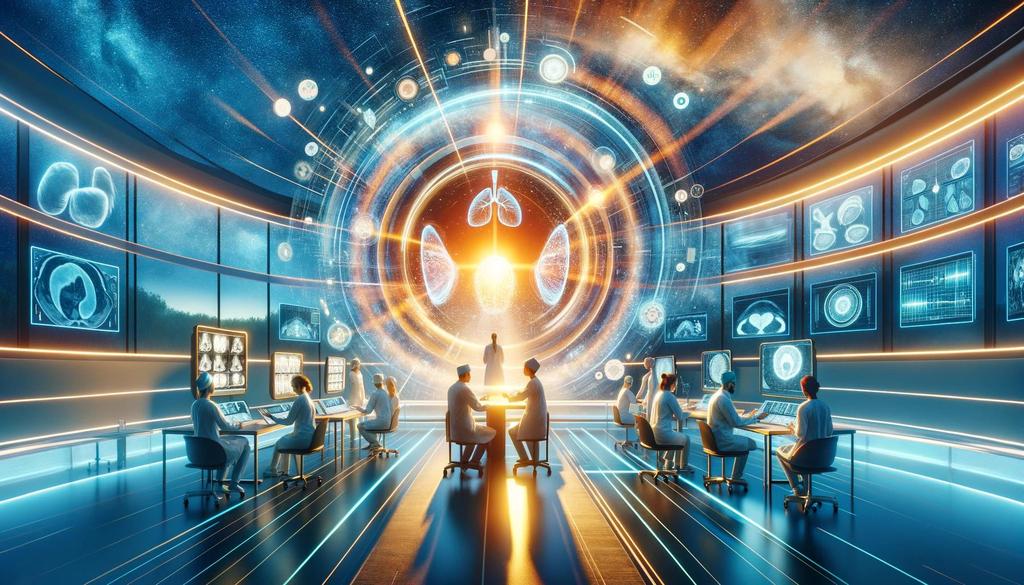
The COVID-19 pandemic has accelerated the adoption of teleradiology as healthcare systems sought ways to maintain diagnostic services while minimizing in-person contact. Teleradiology has become an essential component of the ‘new normal’ in healthcare, with implications that will likely continue to shape the industry.
Adapting to Pandemic-Driven Changes
The pandemic highlighted the need for flexible and resilient healthcare solutions. Teleradiology not only provided a means to continue critical imaging services but also played a role in managing patient flow and reducing transmission risks.
The Role of Teleradiology in Future-Proofing Healthcare
Teleradiology is future-proofing healthcare by setting the stage for broader telehealth initiatives. It demonstrates the potential for remote medical services to complement traditional in-person care, creating a more accessible and patient-centric healthcare model.
Understanding the Role of RIS in Teleradiology
At the heart of teleradiology’s operational efficiency is the Radiology Information System (RIS), a networked software suite designed to manage medical imagery and associated data. In its crucial role, RIS in teleradiology solutions streamlines workflows and optimizes diagnostic processes, making it an indispensable tool for healthcare providers. It also enables seamless integration with Picture Archiving and Communication Systems (PACS), providing a comprehensive diagnostic platform.

The Human Element in Teleradiology
Despite the focus on technology, the human element remains at the heart of teleradiology. Radiologists and other healthcare professionals are essential in interpreting images and communicating results to patients and their care teams. Maintaining a balance between technology and the human touch is crucial to the success of teleradiology interventions.
The Radiologist’s Role in Teleradiology
Radiologists are not being replaced by technology; rather, they are empowered by it. AI and machine learning assist radiologists in managing large datasets and complex image analysis, allowing them to focus on more nuanced diagnostic tasks and patient interaction.
Patient Care in a Digital Age
The digital age of healthcare does not diminish the importance of patient care. Teleradiology is a tool that enhances the ability of healthcare providers to offer personalized, timely, and effective treatment. The human connection between patients and their care providers is preserved and sometimes even strengthened through technological innovations like teleradiology.
The integration of teleradiology into the broader fabric of healthcare is an ongoing process with vast potential. The innovations discussed in this post represent the cutting-edge of what is possible in remote diagnostic imaging. Teleradiology’s ability to provide efficient, accessible, and high-quality medical imaging services is a testament to the future of healthcare—an intersection where technology and human expertise converge to improve lives.

Embracing the Future: Advancements and Trends in Teleradiology
In the years to come, we can anticipate even more advances that will further augment the role of teleradiology in patient care. Whether it’s through increased use of AI, enhanced data connectivity, or new methods for delivering diagnostic information, the teleradiology field is poised for continued growth and innovation.
For healthcare providers and professionals, staying informed about the latest teleradiology trends and technologies is essential. By harnessing the power of these innovations, we can ensure that teleradiology remains a beacon of excellence in healthcare, delivering on its promise of accessible and reliable diagnostic services for all.


