
In today’s busy world, health is more important than ever. Many people need help managing chronic conditions or supporting loved ones with medical issues. Finding time to give this care can be hard.
This is where at-home care becomes important. It helps people get the care they need in their own homes. This can lead to a healthier and more independent life for them and their families.
It’s important to know which health conditions may need at-home care. In this guide, we will share helpful tips and insights to make a real difference in your life and the lives of your loved ones.
Alzheimer’s Disease and Other Dementias
Alzheimer’s disease is a common condition that affects daily life. It slowly harms memory, thinking, and the ability to do everyday tasks.
Caregivers are very important for people with Alzheimer’s. They keep them safe, help them stay mentally active, and provide emotional support.
Parkinson’s Disease
Parkinson’s disease is another serious condition that needs careful care. People with Parkinson’s often have tremors, stiffness, and trouble moving. They may need help with walking, cleaning, and other daily tasks.
Millions of people in the United States live with Parkinson’s. Caregivers give important support to manage these symptoms. They can also help with exercise routines to improve movement and make life better.
Stroke Recovery
Strokes can severely impact a person’s life, affecting their ability to speak, move, and perform daily tasks. Recovery can take months or even years, depending on the stroke’s severity. At-home care support can assist with the following:
- rehabilitation exercises
- regular monitoring of health conditions
- and provision of necessary therapies
Heart Disease
Heart disease is a complex term that encompasses a range of conditions affecting heart health. Individuals with heart disease often face restrictions in their daily activities and may require help with:
- medication management
- dietary changes
- and physical activity adaptations
Respiratory Disorders
Conditions like chronic obstructive pulmonary disease (COPD) and asthma need regular care to keep people healthy. At-home caregivers can help with taking medicines, using oxygen, and scheduling doctor visits. They can also teach patients lifestyle changes to improve breathing and overall health.
Mobility Issues
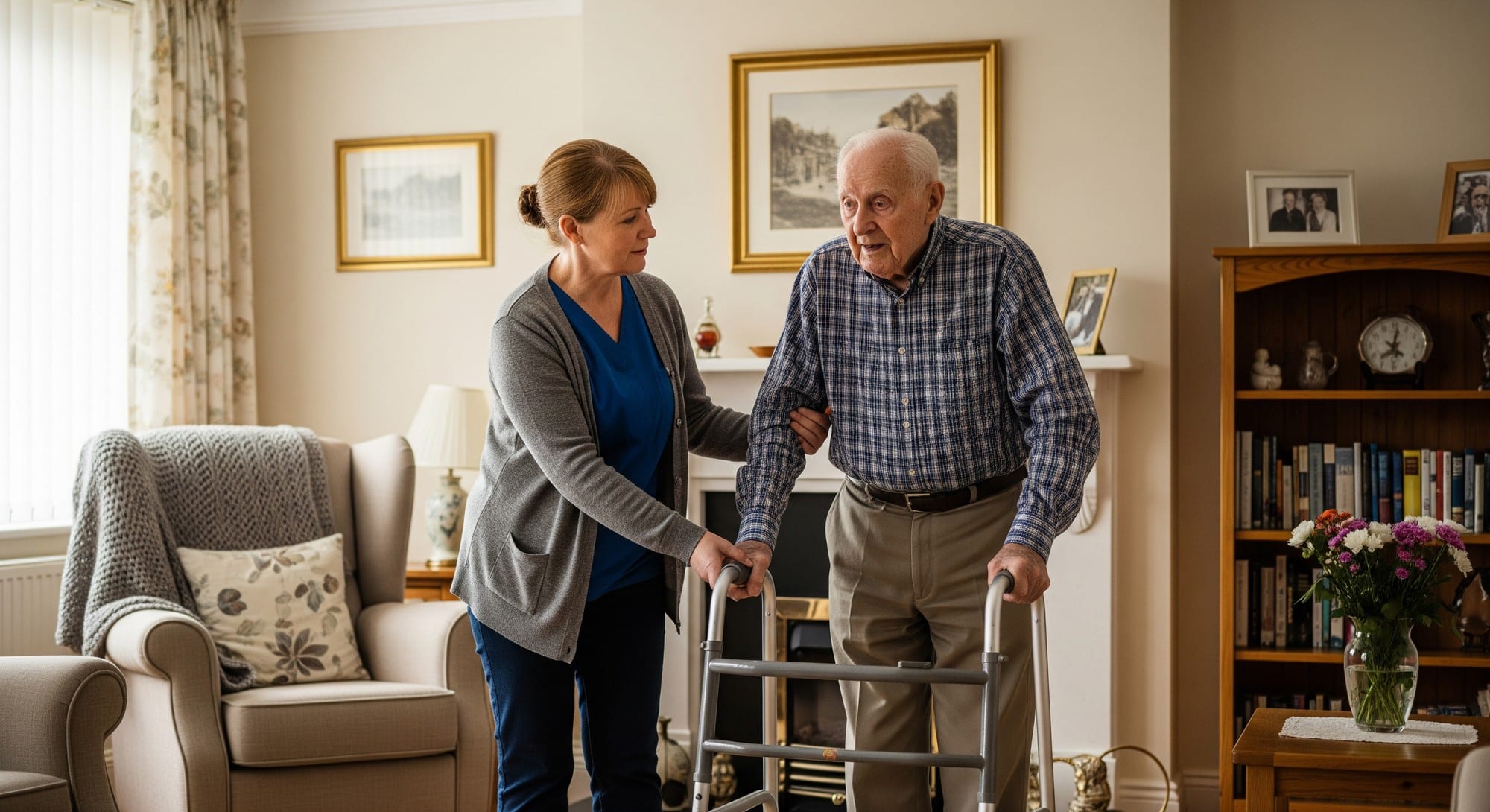
Many health problems, like arthritis or injuries, can make it hard to move. People may have trouble walking, standing, or doing daily tasks. Caregivers help people stay independent. They support the following:
- physical therapy
- use helpful devices
- and make the home safer
As more people get older, mobility problems are expected to grow.
Terminal Illness
At-home care for individuals with terminal illnesses focuses primarily on comfort and quality of life. Palliative care enables patients to live their remaining days with dignity while managing symptoms.
Caregivers provide companionship, medication management, and emotional support not only for the patient but also for family members during this challenging time.
Benefits of At-Home Care Support
At-home care support has numerous advantages, and understanding these benefits can provide comfort to families considering this option. First, it promotes safety and reduces the risk of falls or accidents that can occur in unfamiliar settings such as hospitals. Secondly, it ensures that individuals receive personalized attention catered to their specific health conditions.
Cost Effectiveness
In many cases, at-home care costs less than other options, like assisted living or nursing homes. Home health aides usually cost $20 to $40 per hour, depending on the area and type of care needed.
In comparison, staying in a nursing home can cost over $100,000 a year. This makes at-home care a more affordable choice for families who need support.
Enhancing Quality of Life
Remaining in a familiar environment can significantly enhance an individual’s quality of life. Patients receiving care at home generally experience higher satisfaction levels than those in institutional settings. Comfort, familiarity, and emotional well-being play a substantial role in recovery and overall happiness.
Choosing the Right Caregiver
When selecting a caregiver for someone with health conditions necessitating at-home support, several factors are crucial. Caregivers should possess the necessary experience, empathy, and understanding of the specific needs associated with the health conditions.
Conducting interviews and checking references are vital steps in this process. To find the most effective support for you or your loved one, consider exploring options such as live in care, which can address the unique needs associated with specific health conditions.
Key Qualities to Look For
Choosing the right caregiver for yourself or a loved one can feel overwhelming. A caregiver provides both physical and emotional support, so their skills and qualities are very important.
A good caregiver should be kind and caring. They need strong communication skills to talk with both the patient and their family. Being dependable and reliable is also important because they are responsible for the patient’s well-being.
Other important qualities include patience, flexibility, and a positive attitude. Thinking about these qualities can help you find a caregiver who provides the right care and support.
Collaborating with Healthcare Professionals
At-home caregivers should collaborate closely with healthcare professionals to ensure continuity of care. Regular communication with doctors or specialists is essential to staying updated on the patient’s health status and adjusting care plans when needed. Establishing a supportive network around the patient can significantly improve health outcomes.
Fostering Independence
Encouraging independence is another vital aspect of at-home care. Many health conditions can sap an individual’s confidence, making it crucial to empower them to engage in activities they enjoy and control their daily routines. Caregivers should promote involvement in household tasks and social interactions to enhance the individual’s sense of agency.
Supporting Individuals with Health Conditions
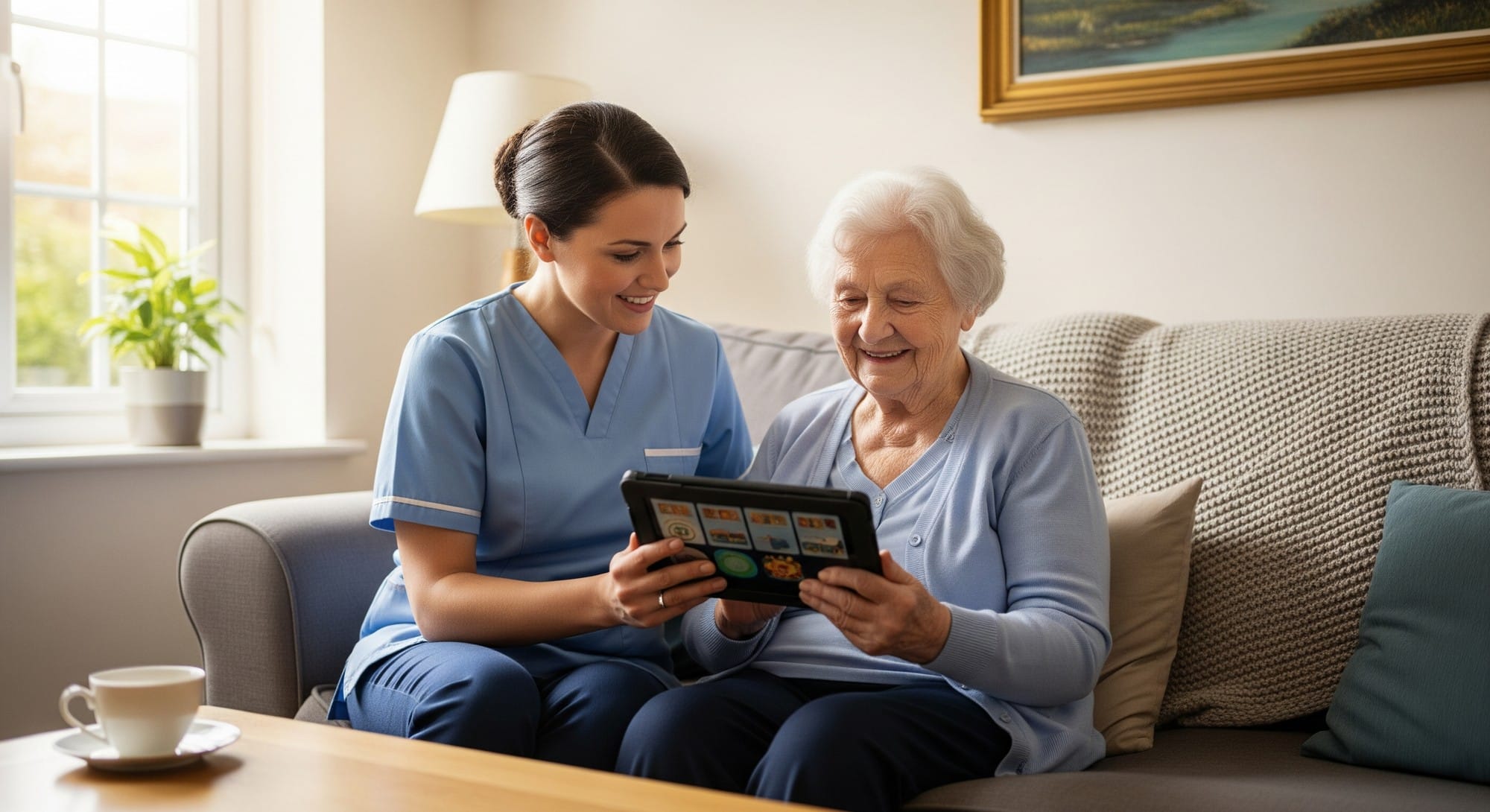
In summary, various health conditions necessitate at-home care support to ensure safety, comfort, and quality of life for affected individuals. From dementia and Parkinson’s to stroke recovery and terminal illnesses, the role of caregivers is invaluable. Their support enhances independence while fostering a respectful and compassionate environment.
To find the most effective support for you or your loved one, consider exploring options such as senior assistance programs and live in care, which can address the unique needs associated with specific health conditions. With the right approach, living at home while managing health conditions becomes a viable and fulfilling option for many individuals.
Looking for more tips and advice? You’re in the right place! Make sure to bookmark our page and come back to check out more interesting articles.


