
Global industries now pivot toward fully digitized environments. While the necessity for robust advanced manufacturing technology has never been clearer, the most resilient systems remain those that empower the workforce rather than sideline it. This shift toward an integrated operating model ensures that while automation handles high-volume tasks, the nuance of strategic decision-making remains firmly in human hands.
Developing a scalable infrastructure for industrial automation is the cornerstone of this evolution, requiring a deep understanding of both digital systems and physical circuitry. Prioritizing human-machine collaboration allows manufacturers to mitigate risks associated with unguided AI while maximizing the efficiency of edge computing. The following analysis explores how the world’s most successful factories are currently redefining their workflows to achieve a perfect equilibrium between machine precision and human judgment.
Increasing levels of industrial automation naturally scale the critical requirement for human oversight. In 2026, manufacturers are no longer asking whether technology can replace humans. Modern industrial leaders design operating models where people and machines collaborate intelligently.
Balanced operational strategies avoid prioritizing speed over judgment or cost over adaptability. It acknowledges that the real competitive edge lies in the balance, letting technology handle the repetitive, data-heavy tasks while empowering people to guide strategy, intervene at critical moments, and drive continuous improvement.
Contextual Awareness Still Requires Human Judgment
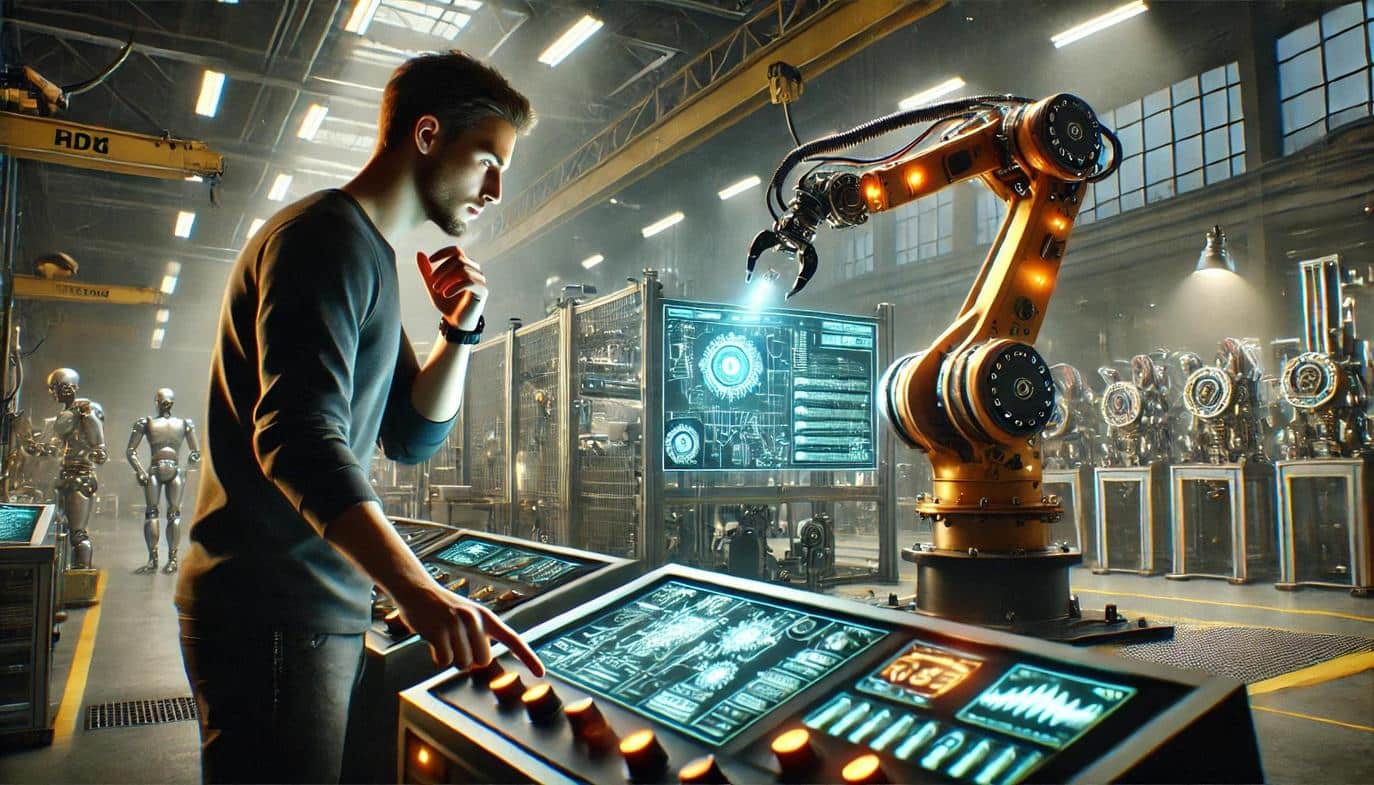
Machines excel at sensing, predicting, and executing, but they lack context. While a robotic arm seamlessly adjusts to dimensional shifts, the equipment cannot determine if those variations signal a systemic process deviation. Human intervention becomes essential at these critical junctures.
A variety of roles within the factory contribute to high-level data interpretation. Expert teams focus on several core analytical tasks:
- Interpreting complex data patterns
- Assessing the broader factory environment
- Weighing critical operational trade-offs
Verified human-driven insights ensure that automated outputs align precisely with real-world production goals. Subject matter experts apply tacit knowledge that software cannot easily codify. Leading factories invest in sophisticated systems that surface decision-grade insights while keeping humans in the loop for final judgment.
To ensure reliable sensing and signal processing in industrial environments, many manufacturers are using high-frequency PCBs that support machine learning modules embedded directly on the factory floor. Providers specializing in PCB design for industrial applications enable smarter edge analytics, helping systems detect anomalies early while still deferring judgment to experienced personnel.

Intelligent Automation Requires Scalable Infrastructure
As manufacturing processes become more digitized, the physical infrastructure behind them must keep pace. Digital transformation encompasses software systems as well as the electrical and PCB architecture needed to enable reliable automation.
When systems operate at scale, latency, interference, and component compatibility can introduce failure points that affect both machine behavior and human decision-making.
Maintaining operational stability requires factories to redesign control panels, PCBs, and sensor layouts with signal integrity and scalability in mind. This proactive structural approach prevents latency from impacting critical human interventions. Specialized engineering platforms focused on scalable board integration drive this trend by providing solutions optimized for high-speed industrial communication.
When to Let the Machine Decide (and When Not To)
One of the biggest challenges in modern operations is deciding where to draw the line between automation and human control. Smart manufacturers approach the automation-control boundary as a sliding scale determined by risk, variability, and business criticality.
Repetitive, low-risk tasks with high data consistency remain ideal for full automation. Conversely, high-variability processes involving custom assembly, calibration, or multi-input quality inspection achieve higher accuracy when augmented by human input.
The goal is not to hand over the steering wheel but to create adaptive systems that can alert, escalate, or pause for review when needed. Configurable equipment logic often includes embedding decision thresholds directly within the hardware. Using flexible PCB platforms designed for configurable logic helps operators program conditional behavior into automated systems. Resources like modular board layout solutions support this flexibility by allowing easy reconfiguration of machine logic in response to product changes.
Training the Human Side of the Loop
All this technology is only valuable if operators, supervisors, and engineers understand how to interact with it effectively. Widespread underinvestment in professional training often leads to operational confusion, misuse, or over-reliance on automation.
Progressive organizations are building training models around human-in-the-loop decision-making. Critical training components include:
- Teaching teams how to interpret dashboards, KPIs, and sensor data
- Clarifying escalation paths for anomalies
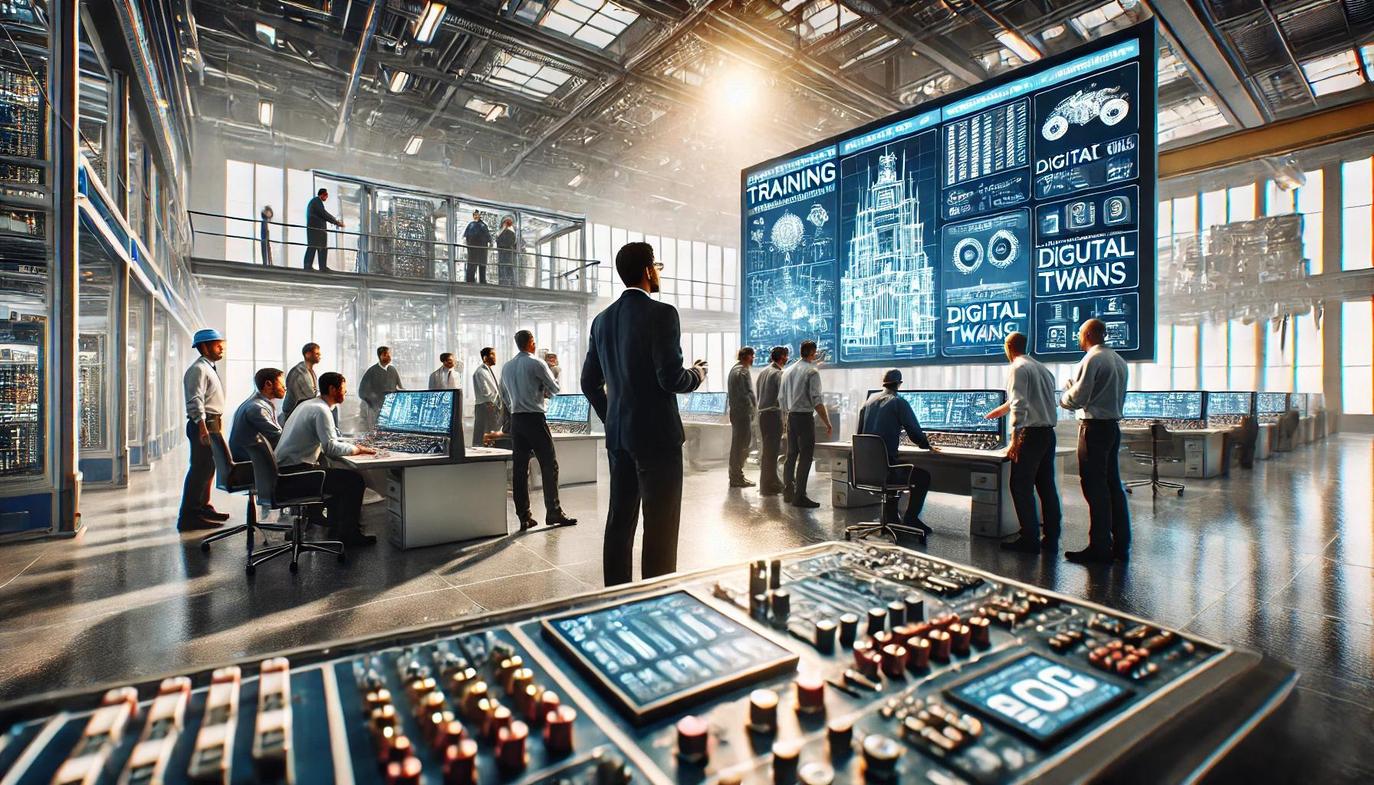
- Using simulations and digital twins to reinforce scenarios
- Embedding real-time learning tools into operator consoles
Integrated learning models rely on stable and responsive control systems to track operator actions and system responses. For this, factories require control boards that support bi-directional data flow, often implemented via compact, high-density PCB designs. Suppliers that specialize in assembly-grade board configuration make it easier for OEMs to build systems that provide contextual guidance without overwhelming users.
Building Fail-Safe Systems for Human–Machine Balance
Operational resilience serves as a foundational pillar of modern design, ensuring systems perform efficiently while remaining capable of failing safely and visibly. Rigorous fail-safe implementation ensures that the partnership between machines and people remains secure and accountable. Effective safety protocols in collaborative environments rely on several key mechanisms:
- Issuing clear alerts when equipment deviates from parameters
- Providing intuitive, accessible override controls for human operators
- Logging all automated decisions for continuous improvement reviews
- Segmenting high-risk processes to prevent unmonitored autonomy
Implementing these fail-safes ensures that the partnership between machines and people remains secure and accountable. To support these layers of logic, manufacturers use smart controller boards with redundancy and backup capabilities. Utilizing specialized PCB prototyping services empowers engineers to rapidly build and test failover circuits and logic backups to prevent critical downtime.
New Metrics for a New Operating Model
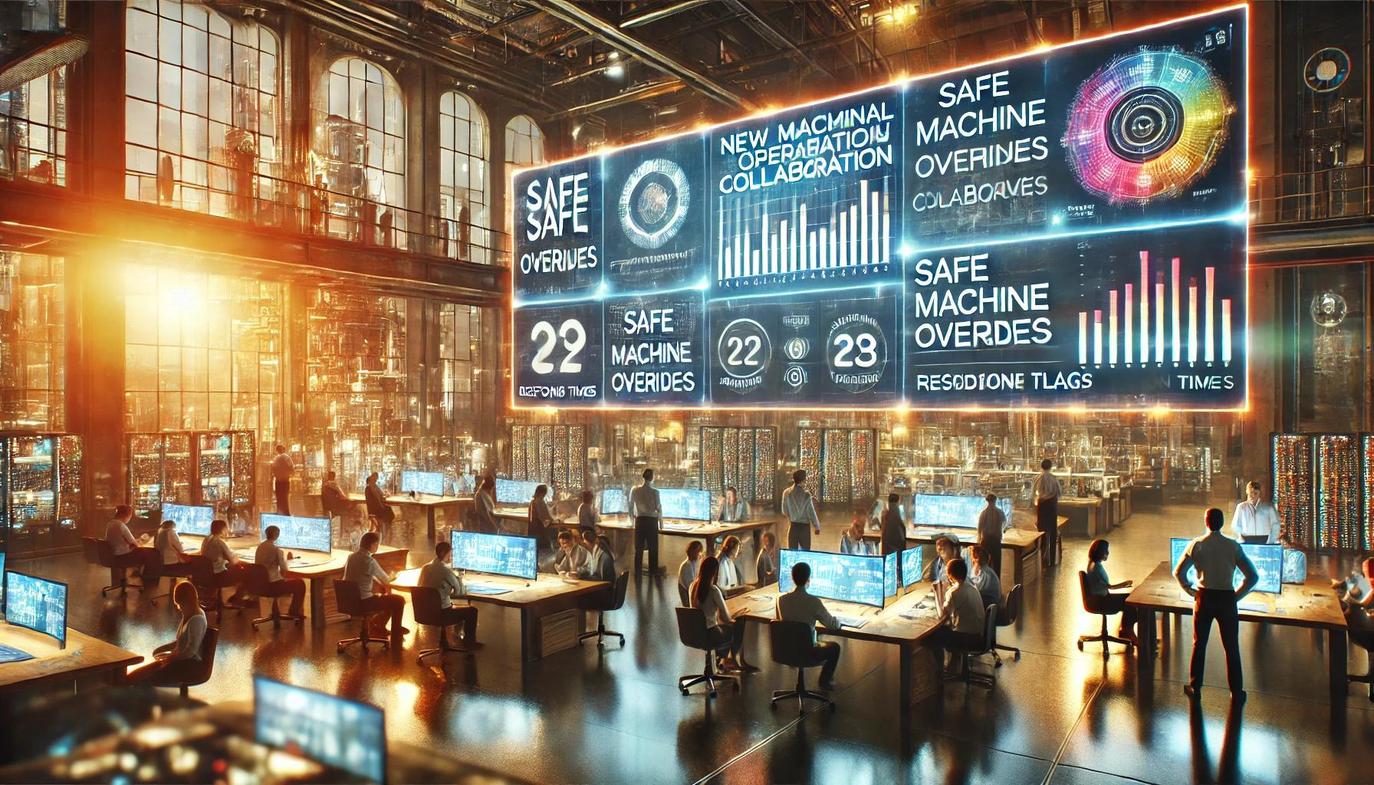
Shifting toward a balanced model represents a strategic transformation rather than a simple operational change. Traditional KPIs such as output per hour or cost per part no longer capture the full scope of modern production value. Modern operational metrics highlight the partnership between people and machines rather than treating them as separate entities. Organizations prioritize several new metrics to evaluate system health:
- Operator confidence in decision support tools
- Number of safe machine overrides per shift
- Speed of human response to alerts
- Percentage of automated decisions flagged for review
- Frequency of root-cause resolutions involving machine data
Integrated operational data highlights the partnership between people and machines rather than treating them as separate entities. The most resilient operations in 2026 are not the most automated but the most balanced, leveraging automation as a force multiplier, not a replacement.
Strategic Integration: The Future of Industrial Resilience
Long-term industrial success relies on a commitment to operational resilience powered by the thoughtful application of advanced manufacturing technology. Rather than viewing automation as a total replacement for labor, forward-thinking organizations treat it as a force multiplier that provides the data necessary for experts to make informed, high-stakes decisions. This balanced operating model fosters an environment where innovation thrives because the system is designed to escalate anomalies to human supervisors, ensuring that quality and safety are never compromised by mechanical rigidity.
Investing in robust digital and physical infrastructure allows manufacturers to build workflows that scale without sacrificing control. Continuous integration of smarter sensors and high-performance PCB architectures makes human oversight the primary differentiator between efficient operations and systemic failure.
Manufacturers who master this intelligent human-machine collaboration will not only see improvements in their immediate output but will also secure their position as leaders in an increasingly automated world. Pioneers of this synergistic approach will command their industries through superior speed, safety, and long-term strategy.

Expert Insights: Frequently Asked Questions on Manufacturing Oversight
How does advanced manufacturing technology improve human-machine collaboration?
Automated systems provide real-time data visualizations and predictive analytics, allowing human operators to focus on problem-solving rather than manual data collection.
Why is human oversight essential for industrial automation?
While machines excel at repetitive tasks, human judgment is required to interpret complex process deviations and environmental context that software cannot yet fully grasp.
What role does PCB design play in scalable industrial infrastructure?
High-quality PCB architecture ensures signal integrity and low latency, which are critical for the reliable bi-directional data flow needed in collaborative environments.
How can manufacturers measure the success of a balanced industrial operating model?
Success is measured through metrics such as operator intervention speed, the accuracy of automated alerts, and the overall resilience of the production line during anomalies.
What are the first steps to implementing a human-in-the-loop system?
Organizations should begin by identifying low-risk tasks for initial automation while simultaneously training staff to interact with and oversee these new digital tools.


