
Do you have what it takes to become a top-tier equipment operator? Working with heavy machinery can be both physically and mentally demanding, but if you’re passionate about the job, the rewards—from earning those bigger paychecks to acquiring a skill set that is increasingly in high demand—can be well worth the effort. Becoming an expert doesn’t happen overnight. But with so much technological advancement, honing your skills has never been easier! Whether you’re just starting out or already making waves in one of today’s booming industries like construction or mining, here are some tried-and-true tips from experts about how to master the machines and become an elite equipment operator!
1. Learn the Basics
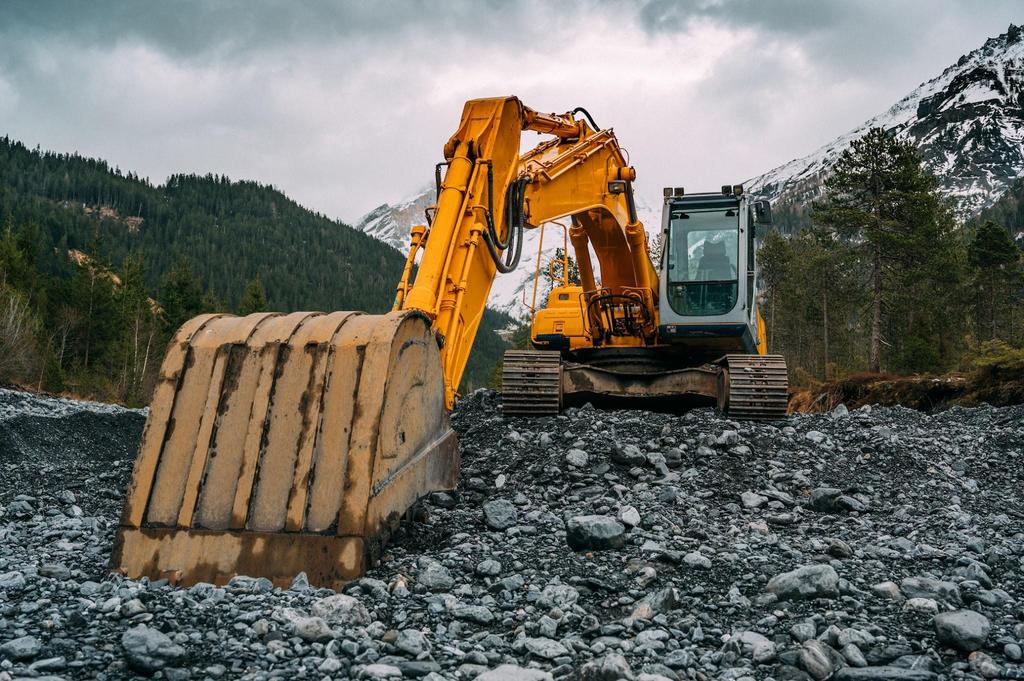
As a beginner, it’s essential to understand the various types of equipment and their controls when it comes to operating them safely. Take time to familiarize yourself with common components such as booms, arms, and buckets on a bulldozer or excavator, auxiliary hydraulics on a loader, or levers and joysticks on a backhoe or skid steer. It’s also essential to familiarize yourself with the manufacturer’s safety guidelines specific to each machine.
The folks at Diggerman Training note that you can become a competent equipment operator by finding the right program or course that covers the basics of operating heavy machinery and equipment. It’s also wise to find a mentor or experienced operator who can guide you and help you troubleshoot any issues. We also suggest joining an online community of operators where you can learn from and help each other.
2. Safety First
When it comes to operating equipment, safety should always be the top priority. It’s crucial to thoroughly understand the safety features of each tool or machine before using it. Take the time to read the manual and ask any questions you may have. Additionally, make sure to follow all safety protocols and guidelines. For example, wearing the proper protective gear and using designated safety switches can prevent serious accidents. Remember, taking shortcuts can lead to injuries or worse. So, let’s prioritize safety first and ensure a hazard-free work environment. If you’re ever unsure, take a step back and assess the situation before using any machinery. It’s better to be safe than sorry!
3. Get Familiar with Operating Standards
To get the most out of your machinery and ensure optimal operational performance and efficiency, become familiar with industry standards. This will help you read a manufacturer’s manual quickly and correctly adjust the settings for different working conditions. Moreover, get in tune with the best practices of operating heavy equipment as they often vary across industries. Knowing these standards can help you identify potential risks or problems before they arise.
Additionally, find out the size and weight of the different types of materials you’ll be handling to ensure that your machine can handle them safely. In order to be a top-tier equipment operator, you’ll need to anticipate challenges and know how to address them effectively. First-rate operators will know how to troubleshoot common issues and adjust the machinery accordingly.
4. Stay Current with Maintenance Procedures
Regular maintenance is vital for the optimal functioning of any machinery or equipment. Performing routine procedures such as lubrication and cleaning can significantly minimize downtime and prevent costly repairs. Additionally, conducting PCI Express testing ensures the reliability and performance of electronic components in advanced machinery. Neglecting maintenance can lead to wear and tear of critical parts, causing unnecessary downtime and compromising user safety.
Keeping up-to-date with maintenance procedures extends equipment lifespan and maximizes productivity. Prioritizing regular maintenance helps avoid unexpected breakdowns and costly repairs, ensuring that machines remain in optimal condition and operate smoothly. Though it may seem like a chore, the long-term benefits make it worthwhile.
5. Monitor Performance
Being proactive when it comes to monitoring machine performance can save you time, money, and headaches down the line. It’s essential to regularly inspect your equipment and check gauges to ensure proper operation. Don’t wait until things go wrong to start troubleshooting – nip any potential issues in the bud by regularly inspecting and testing your machines. Doing so can also help you optimize performance, making your systems run more efficiently and saving you money on energy and maintenance costs.
Make monitoring a regular part of your maintenance routine, and you’ll reap the benefits of smooth, uninterrupted operation. In addition, be sure to record any changes you make so that you can refer back to them in case of future problems. It’s a good idea to keep data logs of machine performance over time, as this can help identify any potential issues.
6. Practice, Practice, Practice
There’s an old saying: practice makes perfect, and this couldn’t be truer for those operating heavy machinery. The only way to truly gain confidence and experience is by working with the machinery in a safe environment. It’s like learning to ride a bike; the more you do it, the better you become. In this instance, it’s crucial to understand the machine’s capacity, limitations, and potential hazards. So, don’t rush the process. Take the time to work in a safe environment where you can practice your skills and become the best operator you can be. Remember, safety always comes first. Plus, the more time you spend on it, the quicker you will become proficient and comfortable with operating your equipment.
With the increased automation of manufacturing processes, the need for properly trained and knowledgeable machine operators has become very important. Becoming a successful and competent operator requires knowledge, skill, and experience. Purchasing modern equipment is only the first step; proper training to gain expertise in utilizing them is essential.
This article discussed several key steps to develop the competency needed to safely operate machines without incident: learning the basics of machine operation, becoming familiar with safety protocols related to the use of the equipment, following the manufacturer’s guidelines on maintenance and operating procedures, regularly inspecting machines for performance issues, and having plenty of practice time. With these tips in mind, machine operators can take their skillset to the next level and become an invaluable asset in any industry that employs automated technology resources.


