
Medical waste is an often overlooked but significant environmental concern. Hospitals, clinics, and other healthcare facilities produce vast waste that requires careful handling and disposal. This waste includes items like used syringes, bandages, gloves, pharmaceutical products, and other materials contaminated with bodily fluids.
Improper management of medical waste can have dire consequences for the environment and human health. This threat spans multiple facets, from the contamination of soil and water to the spread of infectious diseases. To address this issue, a multifaceted approach is essential.
First, strict regulatory compliance is necessary to ensure that medical waste is handled appropriately. Next, innovative waste treatment technologies must be developed and implemented. Finally, robust public education programs can raise awareness and encourage responsible behavior surrounding medical waste disposal. By taking these steps, we can reduce the environmental impact of medical waste and protect the health of communities worldwide.
This article will delve into the various ways medical waste endangers our environment. It examines the sources of medical waste, its impact on ecosystems, and potential solutions to mitigate its harmful effects.
Sources of Medical Waste
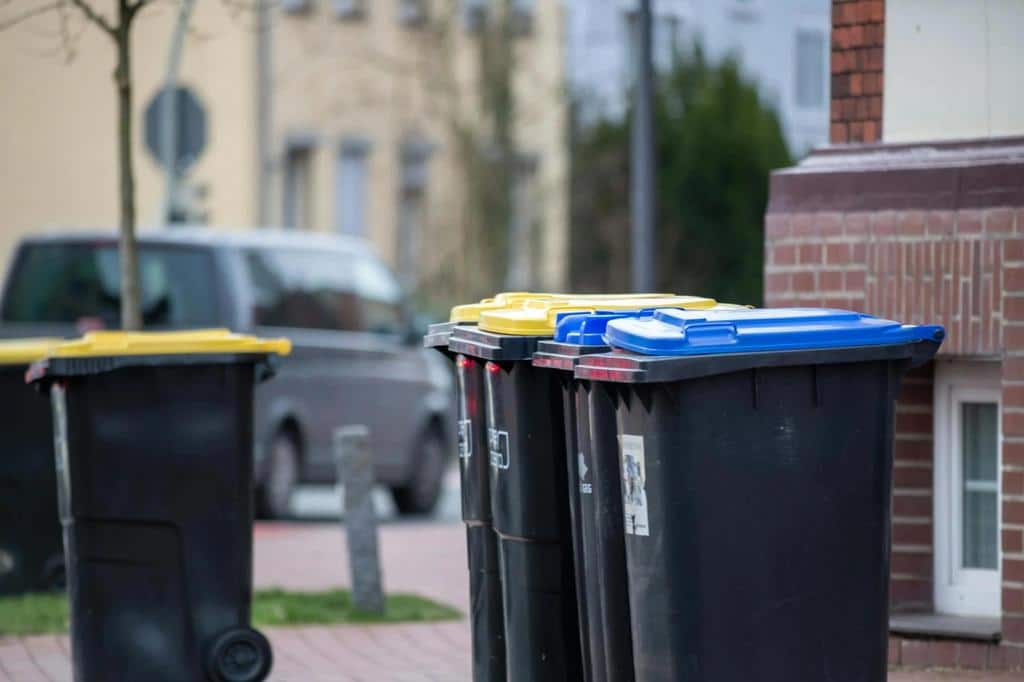
Medical waste originates from various sources, primarily from healthcare facilities such as hospitals, dental practices, veterinary clinics, and laboratories. Hospitals are the largest contributors, generating significant amounts of waste daily due to their extensive operations. Dental and veterinary clinics also contribute, though to a lesser extent, through the disposal of items like used syringes, gauze, and pharmaceutical products. Laboratories add to the waste stream with their use of chemicals and biological materials.
Households can also be sources of medical waste, particularly those with individuals managing chronic illnesses or those using home healthcare services. Items such as used needles, expired medications, and soiled bandages often end up in regular household trash, posing a risk if not disposed of properly. The lack of public awareness and convenient disposal options exacerbates this issue, leading to environmental contamination.
Environmental Impact of Medical Waste
The improper disposal of medical waste has a profound impact on the environment. When medical waste is not correctly segregated and treated, it can end up in landfills, waterways, and other natural settings. Landfills, in particular, are problematic as medical waste can leach toxic substances into the soil and groundwater. This contamination can persist for years, affecting the local ecosystem and potentially entering the human food chain.
Waterways are especially vulnerable. Improperly disposed of medical waste can introduce pharmaceuticals, pathogens, and hazardous chemicals into rivers, lakes, and oceans. This pollution can disrupt aquatic ecosystems, harm marine life, and degrade water quality. Animals that come into contact with or ingest medical waste can suffer severe health consequences, and these effects can ripple through the food web, impacting a wide range of species.

Health Risks Associated with Medical Waste
The health risks posed by medical waste are significant. Healthcare workers and waste handlers are particularly vulnerable to injuries and infections from needlestick injuries and exposure to pathogens. Needles and other sharp objects can carry bloodborne pathogens such as HIV, hepatitis B, and hepatitis C, posing serious risks if not handled and disposed of properly.
Communities living near disposal sites or areas where medical waste is improperly discarded are also at risk. Contaminated water and soil can lead to outbreaks of diseases, and the burning of medical waste can release toxic fumes, contributing to air pollution and respiratory problems. The presence of pharmaceuticals in the environment can lead to the development of antibiotic-resistant bacteria, posing a long-term public health challenge.
Regulatory Framework and Compliance
Governments and international organizations have set up regulations and guidelines to effectively manage medical waste. The primary goal of these regulations is to ensure that medical waste is handled, treated, and disposed of safely, minimizing risks to both the environment and public health. In many countries, healthcare facilities must adhere to strict protocols for waste segregation, storage, and transportation. These measures are essential for reducing the potential hazards associated with medical waste.
Compliance with these regulations is crucial, but it can be challenging due to the complexity and cost of proper medical waste management. Small healthcare facilities and those in developing countries may lack the resources to fully comply, leading to gaps in waste management practices. Enforcement of regulations is also variable, with some regions having more stringent oversight than others.
Innovations in Medical Waste Management
Innovations in medical waste management are essential to address the growing problem. Technologies such as autoclaving, microwave treatment, and chemical disinfection are increasingly used to treat medical waste, rendering it safe for disposal. These methods reduce the volume of waste and neutralize harmful pathogens, making it safer for the environment.
Recycling programs for medical waste components are increasingly being implemented. For instance, specific types of plastics and metals from medical devices can be recycled. This process reduces the demand for virgin materials and minimizes overall waste. Additionally, some healthcare facilities are embracing zero-waste initiatives. These initiatives aim to reduce waste generation at its source while maximizing recycling and reuse efforts.
In Australia, a medical waste removal company in Sydney provides specialized services to ensure that medical waste is managed in compliance with local regulations. These companies offer solutions that range from waste collection and transportation to treatment and disposal, helping healthcare facilities mitigate the environmental impact of their waste.
The Role of Public Awareness and Education
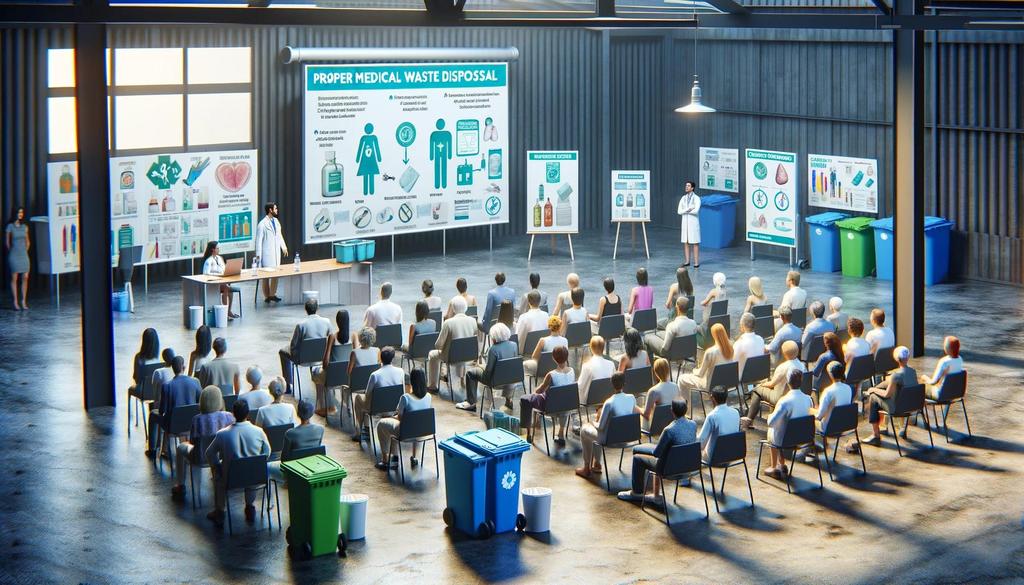
Public awareness and education play vital roles in managing medical waste effectively. Many individuals lack knowledge about the environmental and health risks linked to improper disposal of medical waste. Educating healthcare workers, patients, and the general public about proper disposal methods is essential. Such education can significantly reduce the amount of medical waste that contaminates the environment.
Community programs that provide convenient disposal options for household medical waste, such as drop-off points for used needles and expired medications, can also play a vital role. These programs not only reduce environmental contamination but also protect waste handlers and sanitation workers from potential injuries and infections.

Global Perspectives on Medical Waste Management
Medical waste is a global concern, and different countries face unique challenges in managing it effectively. In developed nations, stringent regulations and advanced technologies assist in mitigating the environmental impact of medical waste. However, even in these countries, lapses in compliance and public awareness can still cause significant problems.
Conversely, developing countries often struggle with limited resources and inadequate infrastructure for proper medical waste management. Medical waste often ends up in open dumps or is burned in uncontrolled conditions, leading to severe environmental pollution and health hazards. International organizations like the World Health Organization (WHO) are actively working to improve medical waste management practices worldwide. They provide guidelines, training, and support to countries that need assistance in addressing these issues.
Environmental and Health Risks of Improper Medical Waste Management
Medical waste significantly threatens both our environment and public health. It can lead to the contamination of soil and water and facilitate the spread of infectious diseases. Addressing this issue demands a comprehensive approach. This includes strict adherence to regulatory compliance, the development of innovative waste treatment technologies, and the implementation of robust public education programs. By taking these measures, we can reduce the environmental impact of medical waste and safeguard community health on a global scale.


