
Thanks to Mr. Trash Wheel, a giant floating mechanism, millions of pounds of trash has been collected in the Baltimore harbor, saving countless fish and wildlife from harm.
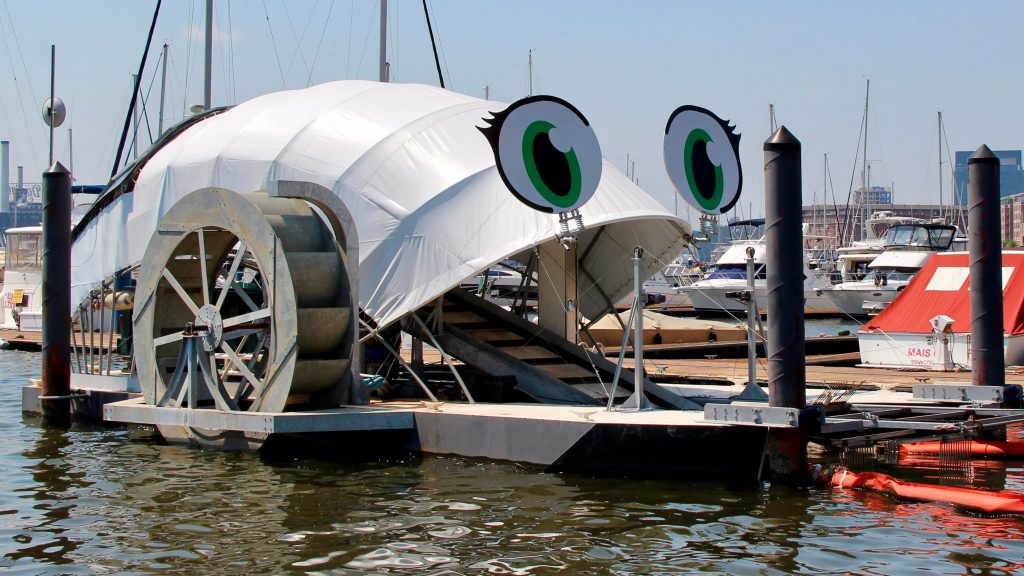
This floating mechanism has large round eyes affixed to its hood, giving it the recognizable characteristics of “Mr. Trash Wheel”. It was installed into the Baltimore harbor in 2014 and since then it has scooped up a total of 1,094,402 Styrofoam containers, 953,681 plastic bottles, 676,016 plastic bags, 150 miles of cigarette butts, 4,078 sports balls, a guitar, 1 keg, and a ball python. That’s pretty impressive!
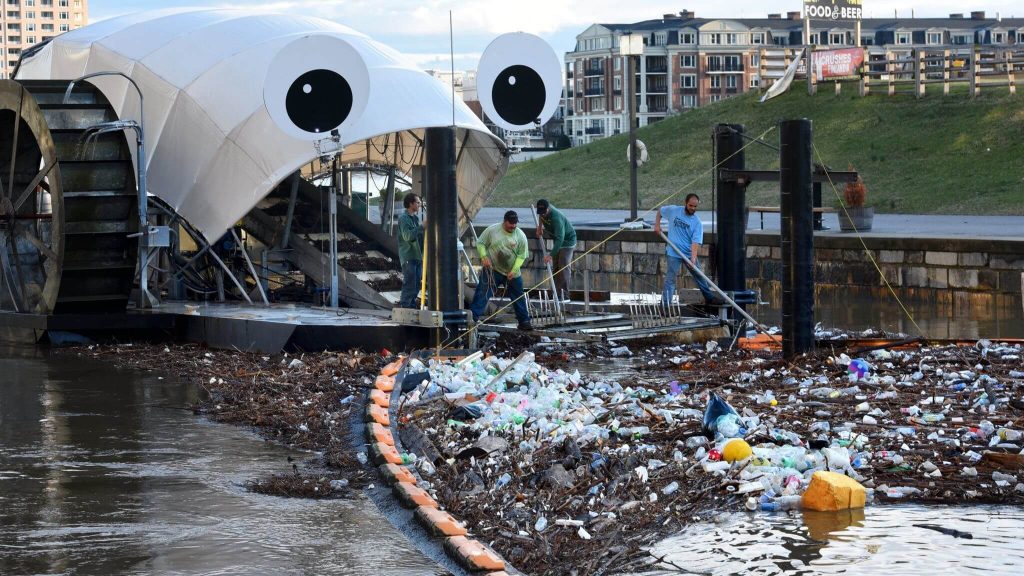


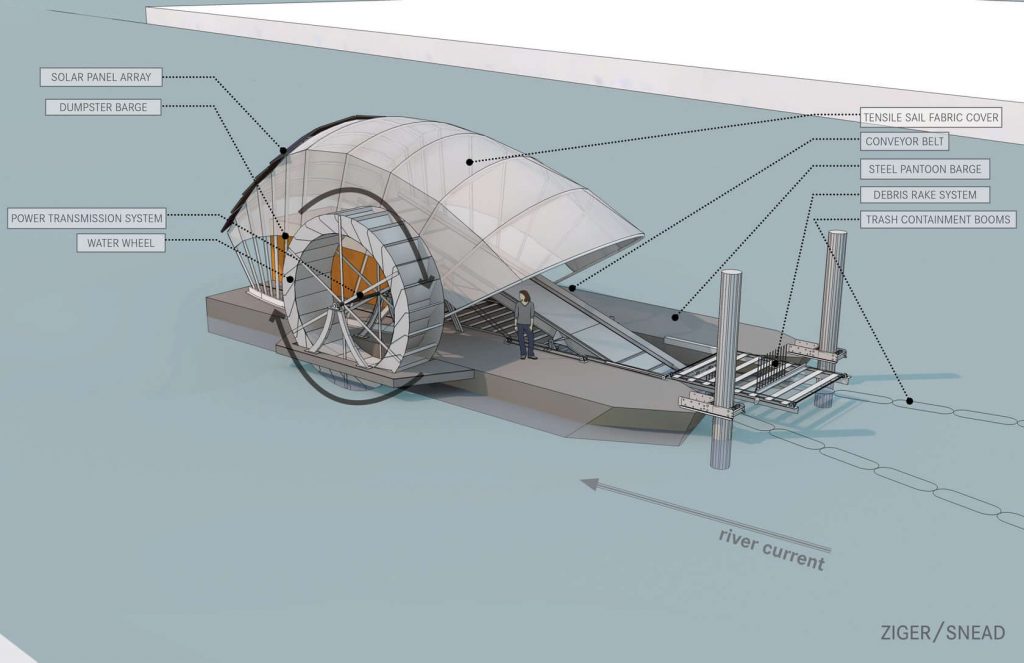
The semi-autonomous machine uses the power of the sun to move its conveyor belt. With this belt, the mounds of plastic and trash are scooped out of the water and then go up the sturdy conveyor belt. The belt is strong enough to hoist heavy things such as mattresses, trees, and kegs from the water and into a dumpster, which is located on a separate barge for recycling and general disposal.
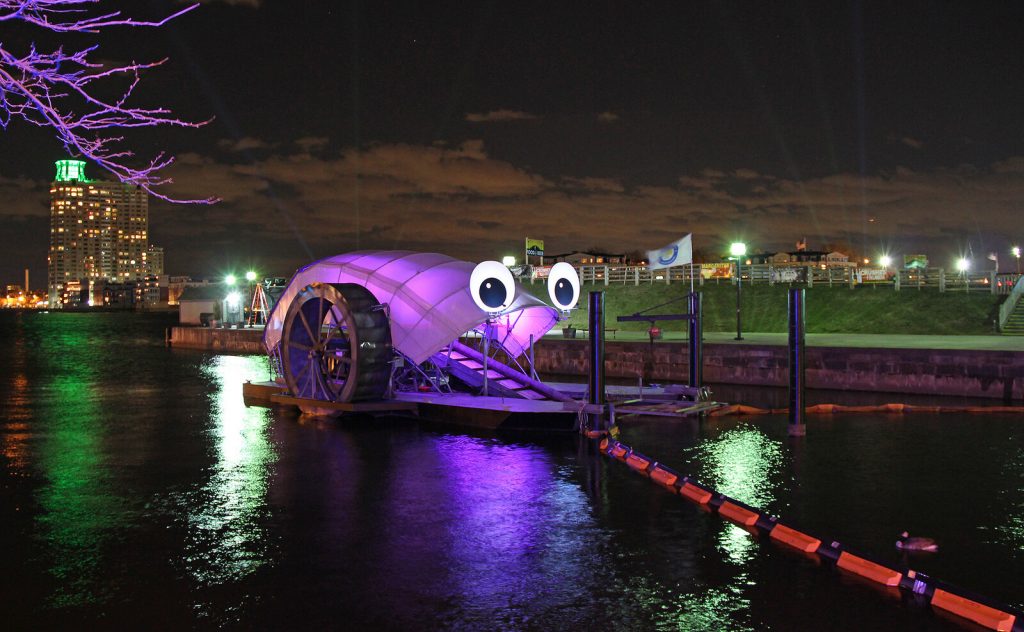
 This brilliant mechanism was created by the engineer and sailor, John Kellett. Over the span of twenty years, Kellett witnessed trash pollution build up around Baltimore’s waterfront and thankfully he came up with the idea of Mr. Trash Wheel.

Mr. Trash Wheel has also helped lead to Maryland’s statewide ban on Styrofoam food containers (the first state in the country to ban this), partly because of a loyal number of fans on Twitter who witnessed the devastating amount of trash intercepted every day.
In the future, Kellett plans on installing trash wheels in other cities in America such as California, New York, Hawaii and also internationally. In the meantime, he decided to add more trash eating power to his local harbor by adding two cousin interceptors named Professor Trash Wheel in 2016 and Captain Trash Wheel in 2018. These new mechanisms also have the recognizable cartoonish eyes attached to the front of their wide-mouthed exteriors.
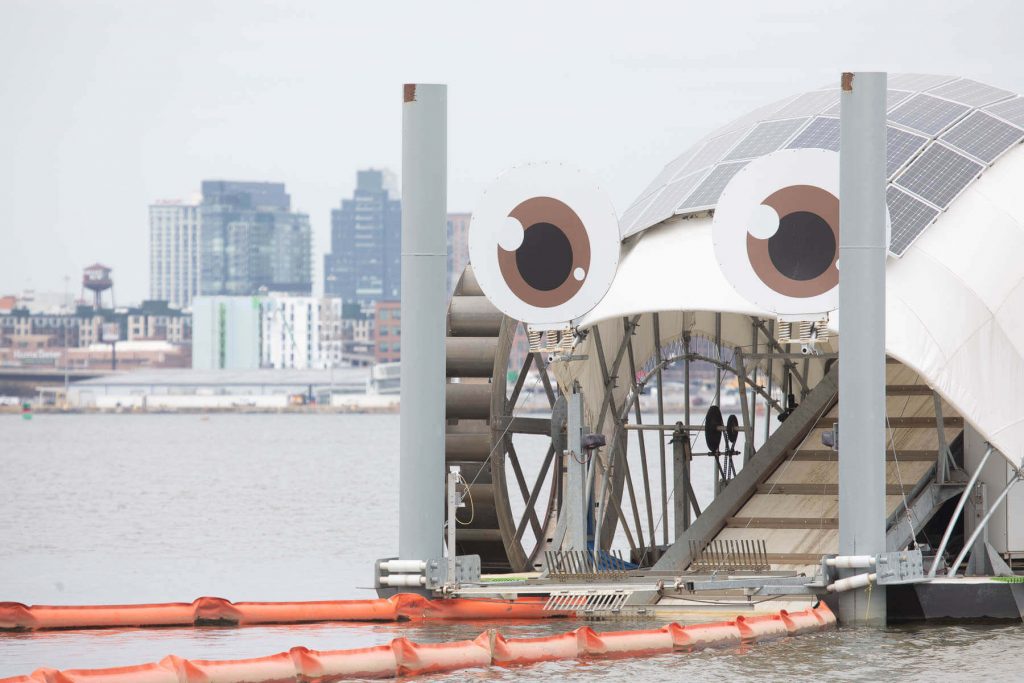
If every harbor in the world had a Mr. Trash Wheel, billions of pounds of trash would be collected from the water. You can actually watch a live stream of Mr. Trash Wheel working hard every day, consuming pounds of waste from the harbor, on its website.


