
Finally, after many years in development, the cleanup team arrived at the Great Pacific Garbage Patch in October last year. Arriving intending to gather up plastic waste, but sadly things went pear-shaped after they pulled the U-shaped barrier in for repair in January. After repairs in June and redeployment, they attached a parachute to maintain steady cleaning speeds. Wednesday last week, the non-profit reported that their latest prototype is capturing and collecting plastic debris successfully.
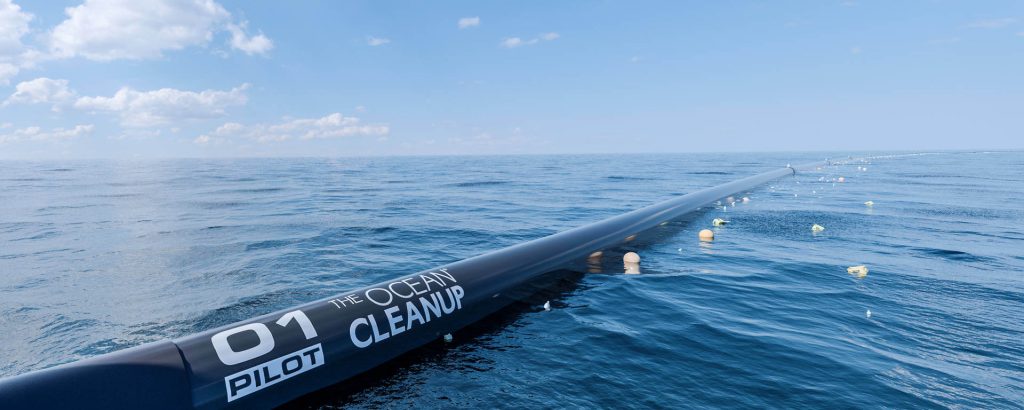
The concept was first presented at a TEDx conference in October 2012 by The Ocean Cleanup founder and CEO Boyan Slat. His vision was a huge barrier that would essentially “harvest” the floating plastic debris from the Great Pacific Garbage Patch. Harvested floating plastic waste would then be processed onshore
Self Contained Waste Harvesting Prototype
Once the prototype got tested for a year, the self-contained system 001/B began gathering plastic debris passively. The system and the floating plastic waste move at a different speed; the solution is installing a parachute to slow down the barrier. Project engineers customized a cork line to minimize over-topping and now the system is running as expected.

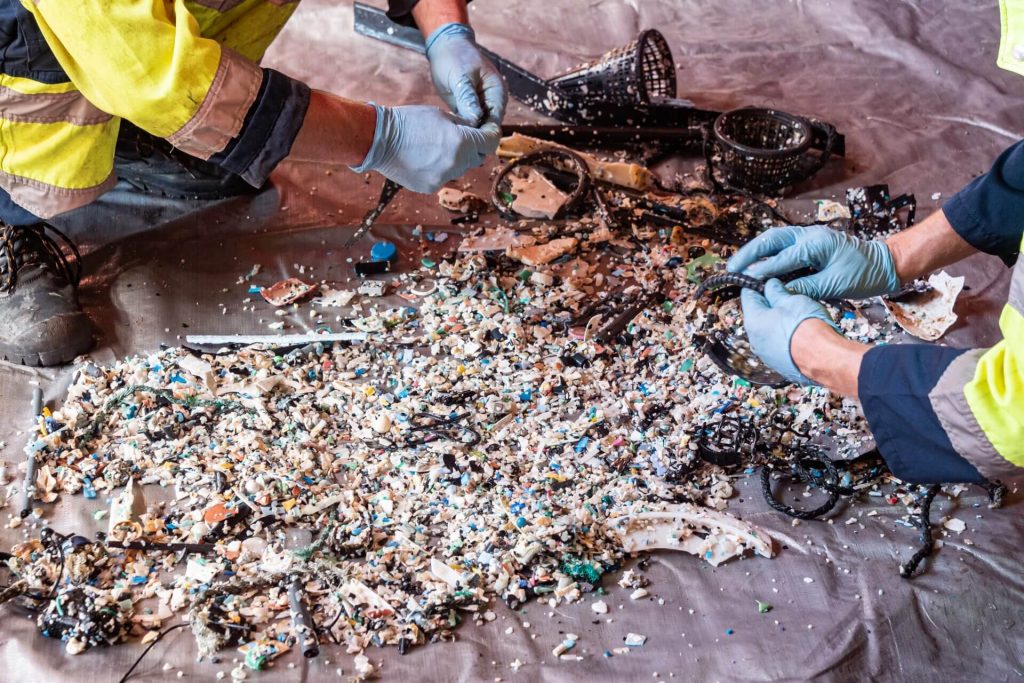
The system captures huge abandoned fishing nets from commercial fishing operations, bottles, and every type of plastic you can see. It not only captures huge visible plastics, but it can also capture micro-plastics. The system captures microplastics as small as 1 mm.
Rid The Ocean Of Plastic Garbage
The Ocean Cleanup CEO, Boyan Slat, said:
After beginning this journey seven years ago, this first year of testing in the unforgivable environment of the high seas strongly shows that our vision is attainable and that the beginning of our mission to rid the ocean of plastic garbage, which has accumulated for decades, is within our sights. Our team has remained steadfast in its determination to solve immense technical challenges to arrive at this point. Though we still have much more work to do, I am eternally grateful for the team’s commitment and dedication to the mission and look forward to continuing to the next phase of development.
Work on designing, building, and testing system 002 will start soon. This model will be a full-scale cleanup system to collect more plastic and waste. It will also keep the waste in the concentrated collection area for longer. Once the entire project is fully operational, they will return the waste collected by the system to shore for recycling.


