
Punjab has become the latest region in Pakistan to ban plastic bags. After Punjab’s chief minister affirmed the ban would happen, Zartaj Gul, the minister of state for climate change tweeted that she was “delighted to announce that CM Punjab, @UsmanAKBuzdar has thankfully given assent to my request to ban plastic shopping bags in Punjab too!”
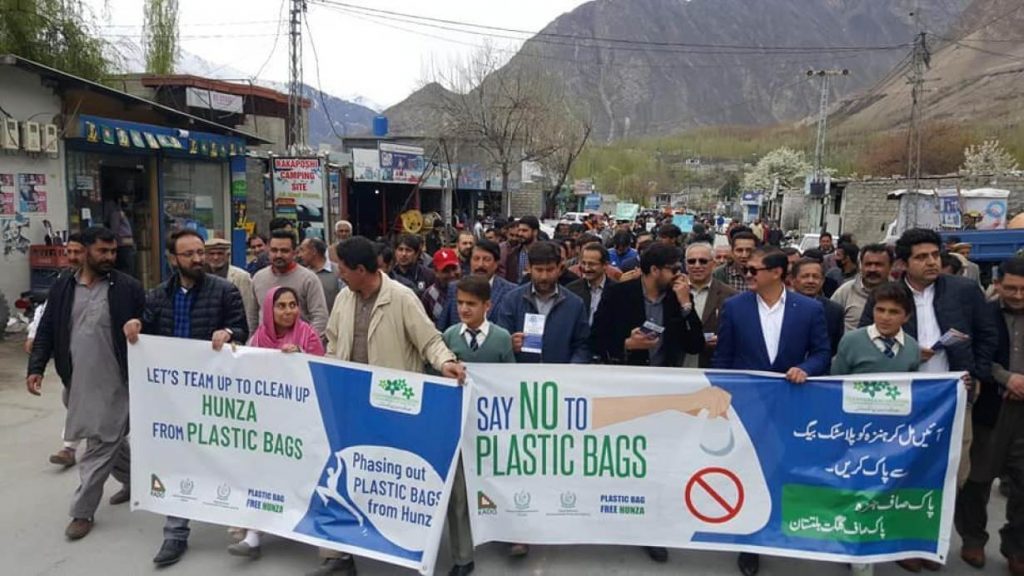
Previously, the south-eastern province of Sindh announced it will ban polythene bags from October, and a ban has already taken effect in Islamabad. The country is trying hard to take on the challenge of reducing single-use plastics that are damaging the environment but there is yet to be a date of implementation for a ban in Pakistan’s most populous state.
Meanwhile, residents in the capital city will be fined $70 if they are caught using a polyethylene bag. That is nearly a month’s wages for a laborer. Shopkeepers and plastic manufacturers will also face fines, but even larger ones. For example, one shopkeeper in Islamabad was fined 200,000 PKR ($1,282) for using plastic bags, following an inspection by Farzana Altaf, director general of the Pakistan Environmental Protection Agency. Then there was another separate incident where the manager of a store was fined 50,000 PKR ($320.)
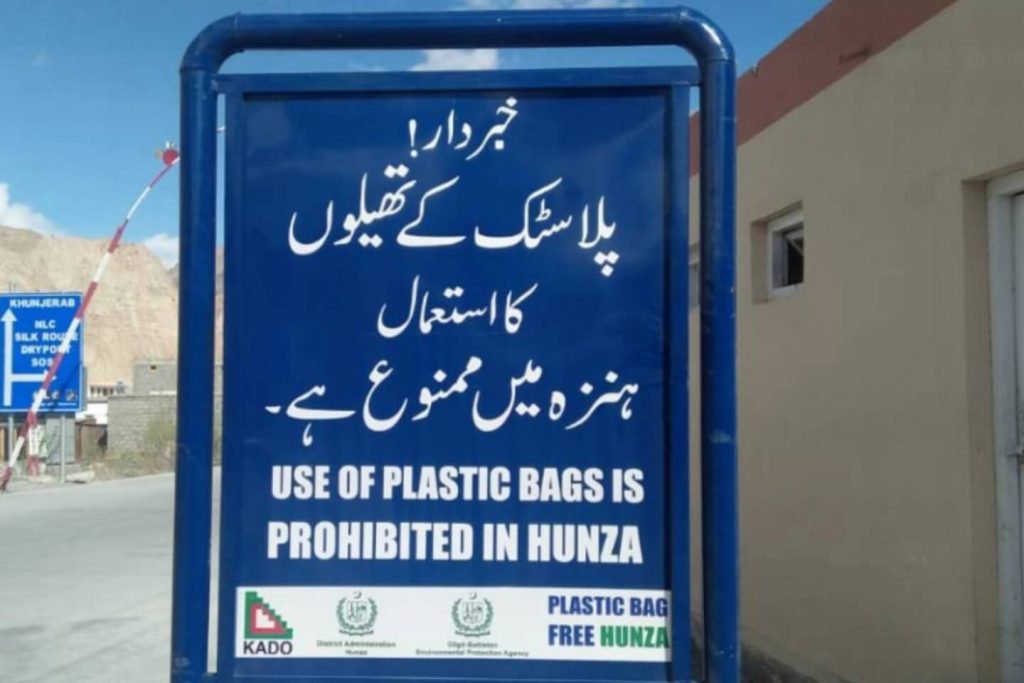
Bans on plastic bags are nothing new. The crazy thing is, for over a decade already Pakistan’s provinces have imposed bans on single-use plastic bags but local governments have failed to implement the policy. They’ve just disregarded the rule completely since people have no cheap alternatives, making things too difficult and complicated for people to both enforce and/or comply. However, now with the climate crisis escalating, things are a lot different.

But Malik Amin Aslam, an adviser to the prime minister on climate change, told The Guardian:
There is a political commitment to rid Pakistan of plastic. Its use has a huge health and economic cost. And we have taken this step to make a difference and we have put heavy penalties [on those] who don’t respect the ban.
To facilitate the problem of no cheap alternatives, Aslam said the government would support traders seeking alternatives. “At the moment, we are introducing paper bags,” he said.
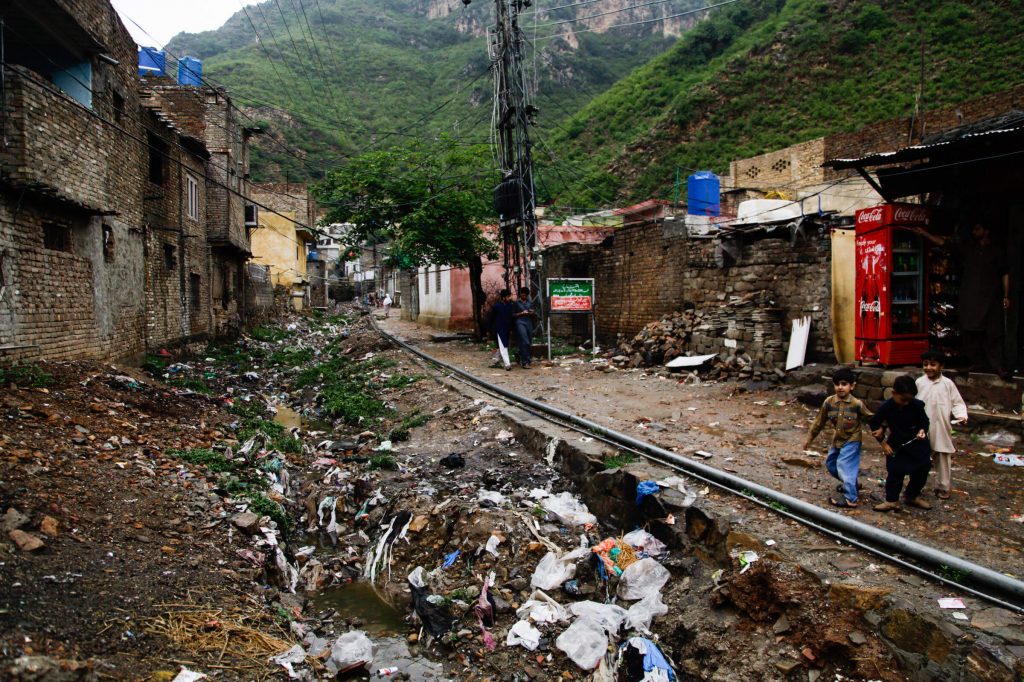
Afia Salam, an environmental journalist, said:
The government has to make a difference this time because failure has a devastating cost to the environment. Of course, you will not see change overnight and the effectiveness will depend on the implementing agencies.


