
Posterior lumbar interbody fusion (PLIF) is a surgical procedure designed to address spinal instability and pain caused by degenerative conditions. NJ spine specialists perform PLIF by removing the intervertebral disc and inserting bone grafts and cages, which promotes vertebral fusion. This approach enhances spinal alignment and support.
Understanding the effectiveness and applications of PLIF is crucial for anyone considering spinal surgery for disc degeneration or instability.
The Goal of Spinal Fusion: Relieving Pain and Restoring Stability
Spinal fusion is a surgical procedure that relieves pain by stabilizing a problematic vertebral segment in the spine. Spinal fusion is essential when conditions such as disc degeneration cause spinal instability.
Disc degeneration involves the wearing down of intervertebral discs, leading to pain and instability. The procedure involves surgically joining the affected vertebrae to restrict painful motion and enhance stability.
To achieve this, surgeons use a combination of rods, screws, and bone grafts to ensure a solid fusion and prevent further degeneration. The goal is to restore function and improve quality of life by stabilizing the spine.
An Introduction to the PLIF Procedure
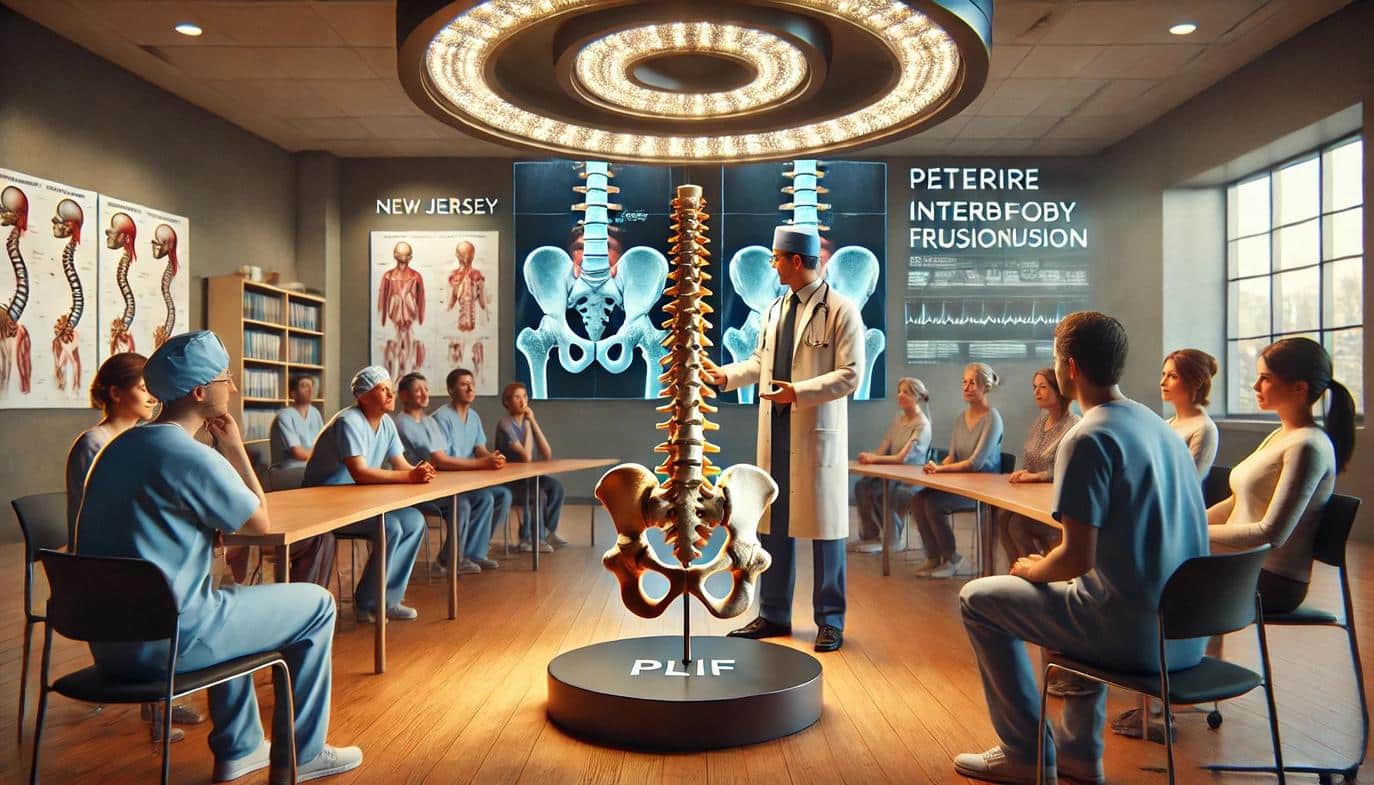
PLIF surgery, as performed by specialists in New Jersey, is a surgical technique that stabilizes the lumbar spine by approaching the affected area from the back. This procedure involves implanting a bone graft between two vertebrae after removing the damaged intervertebral disc. Surgeons also insert interbody cages to support spinal fusion and maintain disc height. Following PLIF surgery in New Jersey, patients adhere to a structured recovery plan designed to restore function and promote optimal healing outcomes.
PLIF Procedure Overview
The Posterior Lumbar Interbody Fusion (PLIF) procedure helps to stabilize the spine and reduce pain caused by worn-out discs and instability by using methods that promote fusion. PLIF enhances spinal alignment and load-bearing by inserting bone grafts and interbody cages, promoting vertebrae fusion.
This spinal stabilization technique reduces abnormal motion and stress, improving outcomes for patients with chronic pain and spinal conditions. PLIF improves how the spine works and helps relieve pain by carefully treating specific spine problems and making sure the vertebrae fuse together securely.
Surgical Technique Details
The Posterior Lumbar Interbody Fusion (PLIF) means accessing and stabilizing the lumbar spine via a posterior incision. In a prepared operating room, a midline incision exposes affected vertebrae. Removing the lamina accesses the spinal canal, decompressing neural elements. Disc material is excised, creating space for implant placement. Interbody cages filled with bone graft maintain spinal alignment and fusion. Pedicle screws and rods enhance stabilization. Proper alignment of implants is crucial for successful fusion and outcomes.
Recovery and Rehabilitation
What does recovery after a Posterior Lumbar Interbody Fusion (PLIF) procedure mean? Post-surgery recovery means closely monitored hospitalization focusing on mobility and pain management. Patients begin walking within 24 hours, following physical therapy to ensure spinal stability and mobility. Rehabilitation means a customized program for strengthening, flexibility, posture, and movement. Pain management means using NSAIDs, opioids, ice, and TENS. Pain medication decreases as physical function improves. Continuous healthcare evaluation means optimal recovery and therapy adjustments.
Is PLIF Surgery Right for You?
Posterior Lumbar Interbody Fusion (PLIF) is a surgical technique used to treat lumbar spine disorders like disc herniation and spinal stenosis. Disc herniation means the intervertebral disc protrudes, compressing nerve roots and causing pain or neurological issues. PLIF alleviates symptoms by removing herniated disc material and stabilizing vertebrae. Spinal stenosis means narrowing of the spinal canal, putting pressure on the spinal cord and nerves. PLIF fuses vertebrae to maintain spinal alignment, reducing nerve compression.

How PLIF Differs From Other Spinal Fusion Techniques
The Posterior Lumbar Interbody Fusion (PLIF) means a spinal fusion technique using a posterior approach to access the spine. It involves removing the intervertebral disc and inserting bone grafts to promote fusion. PLIF directly relieves pressure on nerves, helps restore the height and alignment of the spine, which leads to better stability and less chance of nerve irritation.
This distinguishes PLIF from other fusion techniques, offering advantages in spinal stability and alignment. By using bone grafts, PLIF ensures better outcomes in spinal support and nerve protection compared to alternative spinal fusion methods.
PLIF Procedure Steps
Posterior Lumbar Interbody Fusion (PLIF) means surgically fusing the lumbar spine to alleviate pain and enhance stability. The procedure begins with anesthesia for patient safety. A lower back incision allows access to the spine, where disc material is removed to insert bone grafts and implants for fusion.
Surgeons meticulously avoid nerve damage to minimize complications. Screws and rods stabilize the spine further. Effective surgical techniques are crucial for successful fusion. Post-surgery, patients are monitored for complications and guided through a structured recovery process to optimize outcomes and ensure effective spinal stabilization.
Advantages Over Alternatives
Frequently chosen over other spinal fusion methods, Posterior Lumbar Interbody Fusion (PLIF) offers extensive lumbar spine access, meaning precise bone graft and implant placement. This accuracy enhances spinal stability, improving long-term mobility.
Unlike posterior or anterior techniques, PLIF means symmetrical vertebral column loading, reducing postoperative complications. The bilateral approach in PLIF means effective pain reduction and addresses spinal instability and nerve compression. PLIF’s balanced fusion often leads to better functional outcomes than unilateral methods. This comprehensive access means PLIF has significant advantages over alternative spinal fusion procedures.
Preparing for PLIF Surgery
Preparing for PLIF surgery involves several crucial steps to ensure the best possible outcome:
- Preoperative Evaluation: A comprehensive review of your medical history, diagnostic imaging, and lab tests is conducted to identify any risk factors.
- Patient Education: You will be educated on the surgery, potential complications, and postoperative care to ensure informed consent and reduce anxiety.
- Lifestyle Changes: You may be advised to make lifestyle changes, such as quitting smoking, optimizing your weight, or starting physical conditioning to improve recovery.
- Medication Adjustments: Your doctor may instruct you to stop certain medications, like anticoagulants, to reduce bleeding risks during surgery.

The PLIF Surgical Procedure: Step-by-Step
The PLIF surgical procedure is performed under general anesthesia and follows several key steps:
- Positioning: The patient is positioned face down to provide optimal access to the lumbar spine.
- Incision: A small incision is made in the lower back, often allowing for minimally invasive techniques.
- Access: Retractors gently separate tissue to create a clear path to the affected vertebrae.
- Disc Removal and Graft Insertion: The damaged intervertebral disc is removed, and bone grafts are inserted to facilitate the spinal fusion.
- Stabilization: Titanium screws and rods are implanted to stabilize the spine while the fusion heals.
- Imaging: Advanced imaging is used throughout the procedure to ensure precision and enhance fusion outcomes.
Your Path to Recovery After PLIF
Recovery after a PLIF spinal fusion means strict post-surgery care to ensure healing and fusion success. Pain management is crucial, involving prescribed analgesics for comfort and mobility. Monitoring and adjusting pain medication improves recovery. Physical therapy is vital, with a licensed therapist guiding initial sessions to prevent strain on the healing spine. Patients should follow a personalized rehabilitation plan based on individual progress. Regular follow-up appointments with the surgical team are necessary to track fusion progress and address concerns.
Potential Risks and Complications of PLIF
Understanding the potential risks and complications of Posterior Lumbar Interbody Fusion (PLIF) means recognizing infection risks due to the surgery’s invasive nature and ensuring strict sterile techniques. Potential risks are categorized as follows:
- Neurological Complications: Injury to a nerve root or the spinal cord, which can lead to sensory or motor dysfunction.
- Hardware Failure: Issues with the screws, rods, or cages used to stabilize the spine.
- Nonunion: The failure of the vertebrae to fuse into a single, solid bone.
- Adjacent Segment Disease: The development of new problems in the spinal segments above or below the fused area.
Patients and healthcare providers must be vigilant in monitoring symptoms and promptly intervening to minimize adverse outcomes, ensuring effective recovery and post-surgery care.
Success Rates and Patient Outcomes for PLIF
Posterior Lumbar Interbody Fusion (PLIF) has high success rates, with studies showing successful fusion in 85%–95% of cases. These outcomes mean effective spinal stabilization, reduced pain, and improved mobility. Reduced need for analgesic medication and successful resumption of daily activities often correlate with high patient satisfaction. Variables like age, health, and rehabilitation adherence impact results. Long-term benefits mean an enhanced quality of life years after surgery. Individual assessment is critical for optimizing PLIF outcomes and patient satisfaction.

A Path Toward Stability and Renewed Quality of Life
The Posterior Lumbar Interbody Fusion (PLIF) procedure represents a significant advancement in treating debilitating spinal conditions like degenerative disc disease and spinal instability. By directly addressing nerve compression and restoring spinal alignment, this surgical technique offers more than just pain relief; it provides a foundation for long-term stability and improved function. For patients whose lives have been limited by chronic back pain, a successful PLIF spinal fusion, guided by experienced NJ spine specialists, can mean a return to daily activities and a renewed sense of well-being.
Frequently Asked Questions
What Is the Average Cost of a PLIF Spinal Fusion Procedure?
The average cost of a PLIF spinal fusion procedure typically ranges from $80,000 to $150,000. Factors influencing this spinal surgery cost include the recovery timeline, potential postoperative complications, facility fees, surgeon expertise, and geographic location.
Can I Travel by Air After Undergoing PLIF Surgery?
Can you fly after PLIF surgery? Following PLIF (Posterior Lumbar Interbody Fusion) surgery, there might be limitations on air travel. Recovery timelines and activity restrictions vary, so consulting your surgeon means you’ll get personalized advice. Individual recovery and risk factors differ significantly, impacting your ability to travel by air. Always prioritize your health and adhere to your surgeon’s recommendations.
How Long Should I Wait Before Returning to Work Post-Plif?
After undergoing Posterior Lumbar Interbody Fusion (PLIF) surgery, the typical recovery time before returning to work is 6-12 weeks. This period means adhering to strict postoperative restrictions, including avoiding heavy lifting, bending, and twisting. These precautions are important because they guarantee proper healing and maintain spinal stability. Individual recovery times may vary, so consult your healthcare provider to determine the right time to resume work.
Are There Alternative Treatments to PLIF for Spinal Issues?
Alternative treatments to PLIF for spinal issues include less invasive procedures like endoscopic discectomy or non-surgical options such as physical therapy, chiropractic care, and epidural steroid injections. These approaches target pain relief and recovery, potentially reducing both recovery time and surgical risks.
Will I Need Physical Therapy After PLIF Surgery?
Physical therapy after PLIF surgery means improved recovery by enhancing mobility and ensuring spinal stability. Postoperative recovery often means lifestyle changes to optimize healing and reduce complications. Engaging in physical therapy means better outcomes, as it helps regain mobility and strength.


