
Protein is an essential macronutrient that the human body needs to function properly. It plays a key role in muscle building and weight loss, as well as supporting a healthy immune system and metabolism. Eating foods with high sources of protein can help you meet your daily nutritional requirements while providing your body with the energy it needs to stay active.
Protein intake guidelines call for 0.8 grams per kilogram or 0.37 grams per pound of body weight. However, those who engage in physical activity require 1.4–2 grams per kilogram or 0.6–0.9 grams per pound.
Why is Protein Important to My Diet?
Protein is an essential part of our diets and helps to keep us healthy. Unfortunately, too many people do not get enough protein in their daily diets, leading to a condition known as protein deficiency. Protein deficiency can cause a range of health issues and has been linked to age-related muscle loss. For seniors and those in middle age, getting an adequate amount of protein can help maintain good health as they get older.
A balanced diet should include enough lean proteins such as meat, fish, beans, eggs, low-fat dairy products, nuts, and seeds. Increasing the amount of these proteins in your diet will help to ensure that you are getting enough of the essential amino acids needed for normal functioning. Incorporating unprocessed sources whenever possible is ideal for providing optimal nutritional benefits from food with minimum added preservatives or unhealthy additives.
Regular exercise also helps to maintain muscle mass in conjunction with an adequate intake of dietary protein. Protein deficiencies must be avoided or adequately managed since even mild cases can have serious long-term impacts on health. A lot of individuals following a carnivore diet may find it easier to meet their protein needs by consuming primarily animal-based protein sources.

Protein Helps The Body Gain Muscle Mass
Proteins play an important role in helping athletes increase their performance during intense training. Research suggests that consuming more dietary protein or amino acids can lead to more muscle proteins, which can contribute to better physical performance. Several studies have looked into the direct effect of protein supplementation on athletic performance. For instance, Fern et al. (1991) found that subjects’ resistance training with a protein intake of 3.3g·kg-1·day-1 yielded significantly better gains than those having 1.3g·kg-1·day-1 in terms of protein synthesis and body mass. Lemon et al. (1992) also observed improved protein synthesis when novice resistance-trained individuals used 2.62g·kg-1·day-1 rather than 0.99g·kg-1·day-1 dietary protein intake.
Protein Assists in Weight Loss
According to other research, eating plenty of protein can help you lose weight. Protein is an important macronutrient for weight loss because it helps to reduce appetite and prevent the metabolism from slowing down. Eating a diet that is high in protein can help you reach your goals without feeling overly hungry. To do this, try focusing on foods that have a high “protein percentage” – meaning, more of the food’s calories come from protein relative to fats and carbs. Additionally, many people use macro counting apps to track their protein and overall macronutrient intake, ensuring they meet their specific weight loss and fitness goals more accurately.
Obtain Peak Performance with Protein
Hence, these studies point to the favorable link between higher dietary proteins and improved responses to high-intensity physical activities, leading many athletes and sports coaches to increase their daily consumption of quality proteins for enhanced performances during training sessions and competitions alike. It appears that adequate consumption of proteins is crucial to achieving peak performance among professional athletes and recreational trainers alike, which makes the choice of a nutritional diet all the more reputable.
A good general rule of thumb is to aim for selecting meat and seafood with protein percentages of 35% or more most of the time. When selecting cuts of meat, leaner options like chicken breast or fish tend to have higher protein percentages compared to fatty cuts like ground beef. Doing so will help keep hunger at bay while giving your body the nutrients it needs for healthy weight loss!
Therefore, eating foods that are a high source of protein is the most straightforward approach to controlling weight gain and improving muscle mass. Listed below are some high-protein foods that are comprised of 80% or more calories and are almost entirely composed of protein.
Ten High Protein Foods
1. Dried Fish

Various types of dried fish are great snacks. Haddock, cod, halibut, or flounder are good choices if you want a high-protein, low-fat meal. There are eighteen grams of protein in just 1 ounce (28 grams) of dried fish. The benefits of dried fish are vast. It is rich in potassium, selenium, magnesium, vitamin B12, and others.
Protein content in 100 grams of dried fish: 63 grams (93% of calories)
2. Chicken Breast

Among foods high in protein, chicken is one of the most popular. The leanest part is the breast. You’ll get about 27 grams of protein and 140 calories from three ounces (85 grams) of roasted, skinless chicken breast.
According to some research, eating chicken as part of a high-protein diet can aid in weight loss. However, the same advantages still apply when beef is the primary protein source. Diet has a significant impact on a chicken’s nutrient profile. Chickens raised in pastures contain more omega-3 fatty acids and antioxidants. In addition to protein, chicken is a fantastic source of selenium niacin, phosphorus, and vitamin B6.
Protein content in 100 grams of chicken breast: 31 grams (80% of calories)
3. Turkey Breast

Turkey is a low-fat protein source. The bird’s breast is its leanest section. About twenty-six grams of protein and 125 calories are found in three ounces (85 grams) of roasted, skinless turkey breast.
Selenium, vitamin B6, and niacin are also abundant in turkey. It is also rich in phosphorus, zinc, and tryptophan, an amino acid that plays a vital role in producing the crucial neurotransmitter serotonin.
Protein content in 100 grams of turkey breast: 30 grams (95% of calories)
4. Tilapia

Tilapia is a white freshwater fish that is popular and reasonably priced. It is high in protein and low in fat and calories. There are up to 23 grams of protein and only 111 calories in one 87-gram fillet of tilapia.
Due to its higher omega-6 to omega-3 ratio than other fish, which is roughly 1:1, tilapia has generated considerable debate. However, a serving of tilapia does not contain nearly enough omega-6 to raise concern. Additionally, tilapia is a fantastic source of minerals, including selenium, phosphorus, potassium, and B vitamins.
Protein content in 100 grams of tilapia: 26 grams (82% of calories)
5. Tuna

Due to its extremely low calorie and fat content, tuna is almost entirely composed of protein. Cooked yellowfin tuna weighs three ounces (85 grams), has roughly 25 grams of protein, and is only 110 calories. Along with minerals like magnesium, phosphorus, and potassium, it is also a great source of B vitamins.
Due to its high selenium content, tuna also has antioxidant properties. Only 3.5 ounces (100 grams) provide 196 % of the Daily Value. Tuna also contains plenty of omega-3 fatty acids, which reduce inflammation.
Although tuna frequently contains some mercury, its high selenium content offers some protection against mercury damage. Therefore, it is probably okay to consume canned tuna once a week. However, pregnant or breastfeeding women shouldn’t have cooked, grilled, or raw tuna more than once a month.
Protein content in 100 grams of tuna: 29 grams (90% of calories)
6. Shrimp

It would be wise if you consumed shrimp as part of your diet. Besides being high in protein, it has few calories, carbohydrates, and fat. Eighty-five grams of shrimp, or three ounces, has only 60 calories and 12 grams of protein.
Vitamin B12, choline, and selenium are abundant in shrimp. Additionally, it contains moderate levels of niacin, zinc, vitamin E, and vitamin B6. Shrimp also contains antioxidants such as astaxanthin, which lessens oxidative damage and inflammation.
Protein content in 100 grams: 23 grams (77% of calories)
7. Halibut

Another fish with a high complete protein content is halibut. Thirty-six grams of protein and 176 calories are contained in a half-fillet of halibut (159 grams). In addition to possessing plenty of omega-3 fatty acids, Alaskan halibut also has anti-inflammatory properties.
The selenium content of halibut is relatively high. It also contains reasonable amounts of potassium, phosphorus, magnesium, and vitamins B12, B6, and B3. But it would be best if you didn’t eat halibut frequently due to the high mercury content. When you buy halibut, get it fresh from a local fish shop whenever possible.
Protein content in 100 grams of halibut: 23 grams (81% of calories)
8. Cod

Cod is a cold-water fish with excellent, flaky white meat. This fish is a protein powerhouse. Plus, it’s low in calories and fat. There are only 72 calories and 16 grams of protein in three ounces (85 grams) of cod.
Cod is an excellent source of omega-3 fatty acids, vitamins B3, B6, and B12, which are beneficial for heart health. Cod also has magnesium, phosphorus, potassium, and selenium.
Protein content in 100 grams of cod: 19 grams (89% of calories)
9. Pollock

The Alaskan pollock, often known as walleye pollock, is a mild-flavored white fish that is incredibly high in protein. There are 74 calories and 17 grams of protein in three ounces (85 grams).
Alaskan pollock is also a rich source of omega-3 fatty acids, vitamin B12, choline, and many other nutrients. Of all fish, pollock has one of the lowest mercury levels.
Protein content in 100 grams of Alaskan pollock: 19 grams (88% of calories)
10. Egg Whites
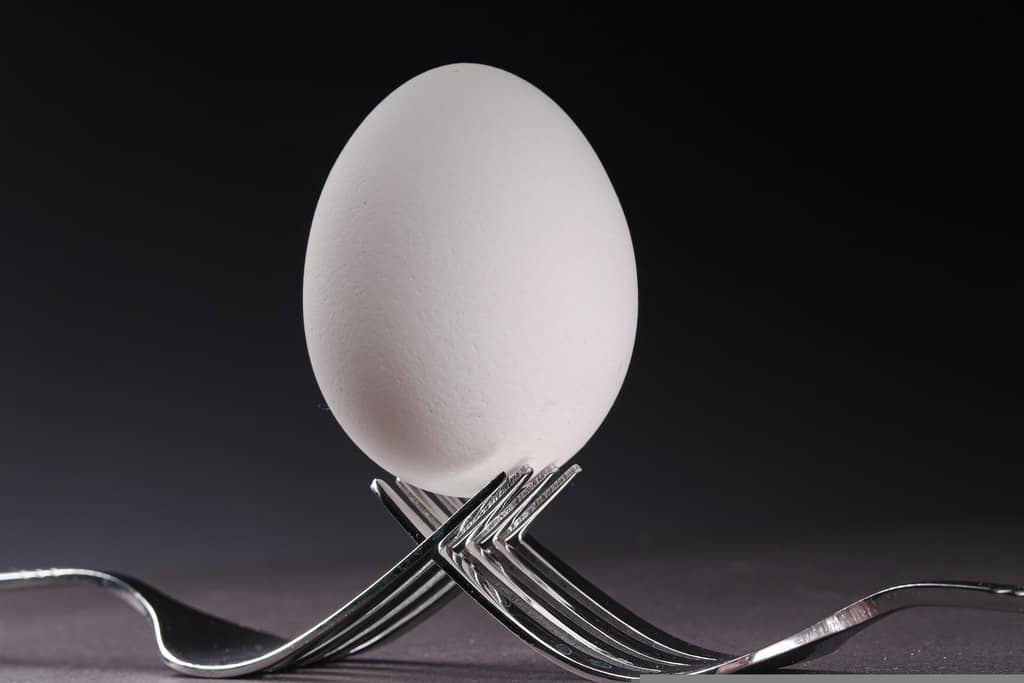
Eggs provide high-quality protein with all the essential amino acids. In addition, egg yolks contain most of their vitamins, minerals, and antioxidants. However, at least 60% of the protein in an egg is found in the whites. Egg whites contain 27 grams of protein and only 126 calories in one cup (243 grams).
Protein content in 100 grams of egg whites: 11 grams (91% of calories)

High-Protein Diet Benefits and Drawbacks
In addition to providing weight loss benefits and improving muscle tone, similarly to other forms of nutritious diets, there are certain risks associated with a high protein diet. Excess amounts of animal proteins can considerably raise the total amount of cholesterol in the bloodstream as well as lead to kidney damage if not followed correctly. Furthermore, following this type of diet for an extended length may disrupt healthy bowel movements due to its high concentration of animal-based products that contain less fiber than plant-based sources. Ultimately it’s important for individuals considering trying a diet of high-protein foods to speak with a nutritionist or doctor beforehand, which will help decide which types of proteins are best suited for one’s individual health.
It is commonly believed that reducing carbohydrates in the diet and increasing protein intake is a healthy and beneficial choice. However, experts emphasize that this approach may not be ideal for everyone. Rather than relying solely on a high-protein diet, a more balanced approach might be best considering the evidence.
A healthier dietary pattern should include an appropriate balance of macronutrients. The most commonly accepted ratio suggests that carbohydrates should make up 50% of daily caloric intake, 20% from protein sources, and 30% from fat intake based on current literature. In fact, research consistently points to higher consumption of vegetables, whole grains, fruits, and legumes alongside moderate amounts of lean meats as being linked to better overall health outcomes. Therefore, experts strongly recommend shifting away from extreme diet plans towards an eating style that incorporates nutrient-dense foods from all food groups and is tailored to one’s individual needs.
Cons of a High Protein Diet
Following a high-protein diet can be beneficial for building muscle, losing weight, and maintaining a healthy lifestyle, but there are potential drawbacks to consider before embarking on such an option. Not only is it possible to develop nutrient deficiencies on such a restricted diet, but oftentimes the high-fat and processed foods encouraged are not the best choices for achieving balance in one’s life. Excess protein can also be unsafe for those afflicted with chronic diseases, as it can cause spikes in blood sugar levels in diabetics, and people with kidney disease should consult their doctor prior to changing their eating habits.
High-protein diets lack dietary fiber, which is key for colonic health and inflammation reduction. This could lead to digestive issues like constipation and other health concerns. Similarly, eating food laden with fat and full of preservatives may increase one’s risk of heart disease, cancer, or other chronic illnesses. Many versions of these diets emphasize red meat, deli meats, and bacon, which are not recommended food items due to their high saturated fat content and sodium levels. People with kidney problems, in particular, should speak to their doctor before switching to this type of diet since too much protein can strain the kidneys further. It is important to follow well-balanced eating habits.
Pros of a High Protein Diet
A high-protein diet has a wealth of health benefits and can be very beneficial for many people. Firstly, when eating a meal that is balanced with protein, it helps you to feel fuller for longer. This helps with proper portion control and overeating, which is often an issue when calorie counting. Furthermore, consuming enough protein every day contributes to building and maintaining lean muscle mass. A strong body not only performs better throughout daily activities but also has a higher metabolic rate than fat, thus helping you to burn off extra calories faster.
In addition, eating high-quality sources of protein encourages you to make healthier food choices overall. Instead of leaning towards unhealthy ingredients, high-protein foods such as fish or chicken typically require grains or vegetables to be consumed alongside them – both of which are essential for a balanced intake of nutrients and minerals. On top of this, by introducing more varieties of proteins into your diet – such as nuts or dairy products – you reap the benefits related to their individual vitamins and minerals as well. Therefore, eating a well-rounded diet that incorporates several different types of proteins can greatly benefit your overall health in the long run.

Conclusion
It’s important to incorporate high-quality sources of protein into our diets in order to support a healthy lifestyle, build and maintain muscle mass, and contribute to weight loss. However, it is important to be mindful of potential drawbacks associated with a high-protein foods diet, such as nutrient deficiencies and a lack of dietary fiber. It is recommended to follow a more balanced eating style that incorporates nutrient-dense foods from all food groups and is tailored to one’s individual needs, as this has been consistently linked to better overall health outcomes. Consulting with a nutritionist or doctor can also help determine the best approach to meeting one’s protein and macronutrient needs.


