
Red light therapy has rapidly emerged as a dominant force in modern wellness. From high-end spas to home devices, the promise of using light to heal the body from the inside out is compelling. But beyond the glowing panels and enthusiastic testimonials lies a biological mechanism known as photobiomodulation. This process isn’t magic; it is the interaction between specific light wavelengths and our cellular biology.
At its core, this therapy works by delivering red wavelengths and near-infrared light directly to the skin. These wavelengths penetrate deep into the tissue to reach energy generators within our cells. By stimulating energy production at this fundamental level, the body can more effectively repair tissue, reduce inflammation, and improve skin health.
Evaluating the market of red light therapy devices can be overwhelming, with options ranging from targeted spot treatments to full-body panels. Understanding the science behind the benefits—and separating proven results from marketing hype—is essential. Whether you are seeking joint pain relief, muscle recovery, or skin rejuvenation, knowing what realistic results look like will help you make an informed investment in your health.
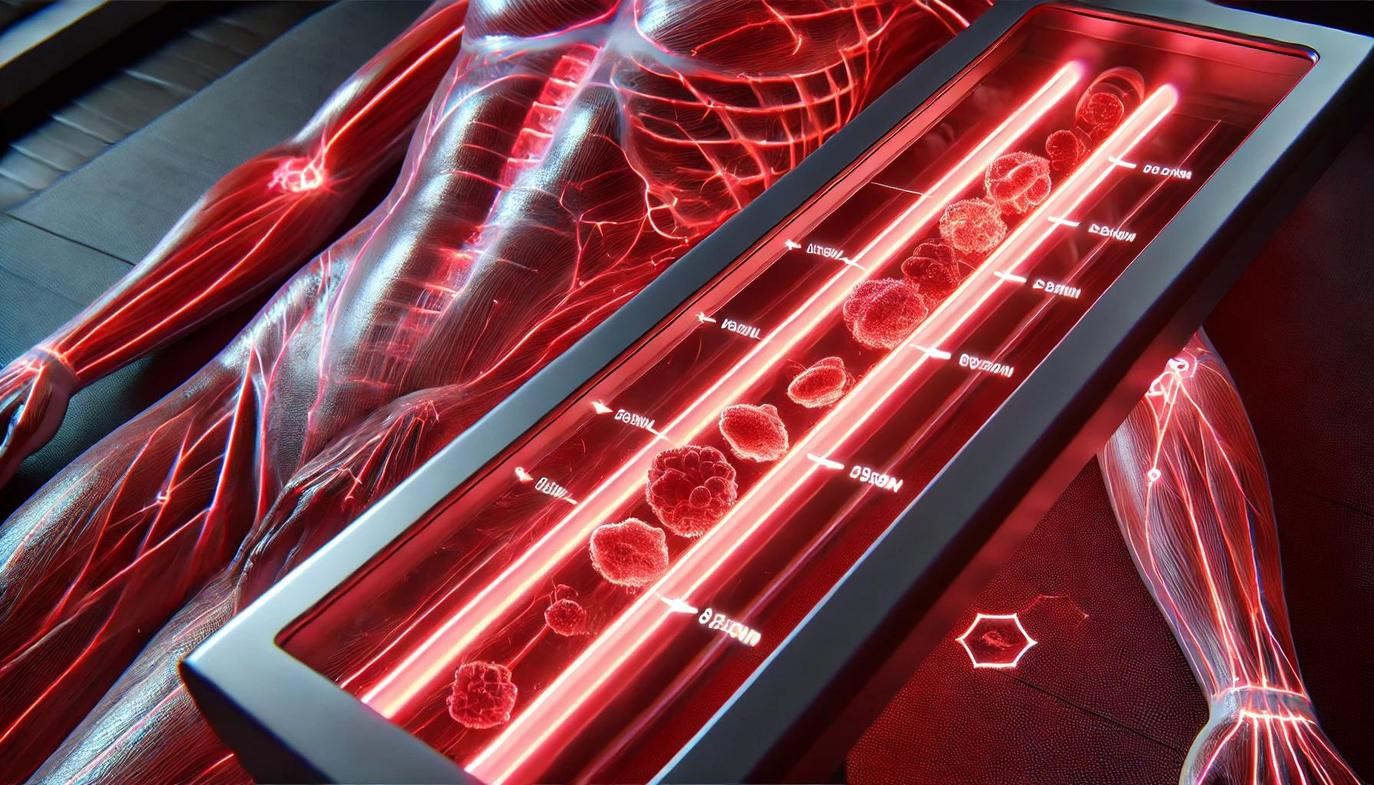
Understanding Photobiomodulation and Red Light Mechanisms
This therapy exposes the body to low levels of red wavelengths through special devices. The light penetrates the skin to reach cellular mitochondria. Red light therapy by PlatinumLED emits safe wavelengths that don’t burn or harm like ultraviolet light. When used as directed, the process is safe. Sessions typically continue for a period of between 10 and 20 minutes. There are both at-home and in-office treatments.
Key Health Benefits: From Skin Rejuvenation to Pain Relief
Supporters claim a wide array of physiological advantages. Common reported benefits include:
- Improved skin quality and texture.
- Reduced muscle soreness after exercise.
- Quicker wound healing processes.
- Relief from joint pain and chronic inflammation.
The anti-aging effects are another popular attraction among users. For certain skin conditions, such as acne or wrinkles, initial trials look promising.
Note: Benefits may vary according to your health condition as well as the strength and frequency of the device.
Debunking Myths: Realistic Expectations for Light Therapy
Red light therapy attracts significant enthusiasm. Some say it can heal chronic illness or take over surgery. However, these claims often lack robust clinical evidence. This type of therapy might complement rather than replace traditional care.
Another myth suggests instant results. But it takes several sessions for most people before they begin to feel a difference. Always verify claims with reputable sources and evidence to back any daring claims you see.
Safety Profile: Side Effects and Precautions
This treatment carries minimal side effects. When following the recommended guidelines, most users should feel no discomfort. You may occasionally experience some redness or warmth that only lasts temporarily.
Eye protection is needed in every session to prevent damage or injury. Consult a healthcare provider before starting any new regimen. Use as directed, and those with any conditions should get advice prior to use.

Treatment Options: Home Devices vs. Professional Clinics
Available products range from small handheld units to large panels designed for full-body sessions. Treatment environments generally fall into two categories:
- Professional Clinics: Methods are applied under strict supervision with medical-grade equipment.
- Home Devices: Offer comfort and convenience for daily use but require self-discipline.
Either method requires consistency before you notice results. Overall device quality and strength are key to effectiveness. While you’re making a purchase, look for devices that include clear instructions and protection features. This means that reviews and expert opinions can assist in making a choice.
Ideal Candidates: Who Sees the Best Results?
Individuals with mild joint pain or skin issues likely benefit most. Athletes frequently utilize red light sessions for muscle recovery. Patients with chronic wounds or scars may experience slow and gradual improvement. Despite the realistic expectations, not everyone experiences the same results. Combining this treatment with a healthy diet and medical services can yield the best results.
Scientific Consensus: Evaluating the Evidence
Existing limited studies support the promise for multiple applications. This is particularly true for dermatological indications and tissue repair. But bigger and longer-duration studies are needed for firmer conclusions. Such treatment is not a universal therapy. Evidence for mental health benefits, weight control, or major diseases requires significantly more rigorous investigation. Trusted sources continue to evaluate and communicate new data.
Getting Started: Best Practices for New Users
Those interested should start with a reputable provider or quality device. This will allow you to adapt your body slowly and safely. Stick to the directions and prioritize shorter sessions when first beginning. Professionals in the therapy field ensure that these therapies are appropriate depending on the individual case and health condition. Keep safety and realistic expectations as a priority.

Final Verdict: Making an Informed Investment in Your Health
Integrating red light therapy into your wellness routine provides a non-invasive method for improving health, but it requires consistency and realistic expectations. While the anti-aging effects and pain relief potential are backed by promising research, it is not a cure-all. Success relies on choosing high-quality red light therapy devices that deliver the correct intensity and wavelengths to trigger real biological changes. By focusing on photobiomodulation science rather than trends, you ensure your approach is safe and effective.
Ultimately, the best results come from a balanced perspective. Combining light sessions with a healthy lifestyle, proper hydration, and professional medical advice creates a foundation for long-term well-being. As research continues to uncover new applications for red wavelengths and tissue repair, staying informed will help you maximize the benefits of this powerful technology.
Frequently Asked Questions About Red Light Therapy
Does red light therapy really work?
Yes, research supports the efficacy of red light therapy for specific conditions. Studies show it can stimulate collagen production, reduce inflammation, and accelerate tissue repair, though individual results vary based on consistency and device quality.
What are the benefits of red light therapy?
The primary benefits include skin rejuvenation, reduced joint pain, faster muscle recovery, and improved wound healing. It is also widely used for its anti-aging effects and to treat dermatological conditions like acne.
How long does it take to see results from red light therapy?
Results are rarely immediate. Most users report noticeable improvements in skin quality or pain relief after 4 to 8 weeks of consistent use, typically with sessions ranging from 10 to 20 minutes, 3 to 5 times per week.
Is red light therapy safe for my eyes?
While red wavelengths are generally safe for the skin, looking directly at intense light sources can be harmful. It is recommended to wear appropriate eye protection during sessions to prevent strain or potential damage.
Can I use red light therapy at home?
Yes, there are many effective at-home red light therapy devices available. Ensure you choose a device with medical-grade power output and proper wavelength specifications to match clinical results.


