
In the sprawling fields of renewable energy, you’ve likely heard about the usual suspects: solar, wind, and hydropower. However, it’s foam’s quiet entrance into this arena that’s turning heads.
Take, for instance, its role in enhancing the efficiency of solar panels – a seemingly small tweak that can significantly boost energy capture. But how exactly is foam making such strides in wind turbines and energy storage, not to mention its other sustainable applications?
If you’re curious about the mechanics behind this and why it matters, you’ll find the unfolding discussion on foam’s expanding role in renewable energy both surprising and enlightening.
Foam in Solar Energy Enhancement
In recent years, foam technology has emerged as a pivotal enhancement for solar energy systems, improving efficiency and durability significantly.
You’ve likely noticed the push towards more sustainable energy solutions, and foam’s role in this shift is substantial but often overlooked. Specifically, when integrated into solar panels, certain foam materials can enhance light absorption and minimize heat-derived efficiency loss, directly impacting the system’s overall energy production.
Moreover, the foam’s unique properties, including its lightweight nature and ability to resist the environmental stressors of ROHACRYL foams, make it an ideal candidate for extending the lifespan of solar panels.
You’d find that the incorporation of foam reduces the weight of solar installations, facilitating easier and more cost-effective transportation and installation processes. This aspect is particularly beneficial in remote or challenging locations where traditional, heavier panels might pose logistical issues.
Foam’s thermal insulation properties are critical in maintaining optimal operating temperatures for solar panels. You’re probably aware that excessive heat can severely reduce a solar panel’s efficiency. By effectively managing these temperatures, foam ensures that solar panels operate within their ideal range, maximizing energy production and contributing to a more reliable and robust solar energy system.

Wind Turbines and Foam Innovation
Foam innovation plays a critical role in enhancing the efficiency and longevity of wind turbines, just as it does with solar energy systems.
You’ll find that the application of specialized foam materials in wind turbines isn’t just a matter of improving performance; it’s also about reducing wear and tear, thereby extending the operational life of these renewable energy giants.
The technical side of this involves the use of lightweight, high-strength foam composites in the construction of wind turbine blades. These materials not only reduce the overall weight of the blades, making them easier to rotate even in low wind conditions, but they also exhibit excellent fatigue resistance.
This means that the blades can withstand the constant stress and strain of rotation over longer periods without showing significant signs of wear.
Moreover, foam’s inherent vibration-damping properties are essential in reducing noise levels and mechanical stress within the turbine structure.
This reduction in vibration not only contributes to a quieter operation, which is crucial for turbines located near residential areas, but it also minimizes the risk of structural damage. Consequently, you’re looking at lower maintenance costs and less downtime, enhancing the turbine’s efficiency and economic viability.

Foam’s Role in Energy Storage
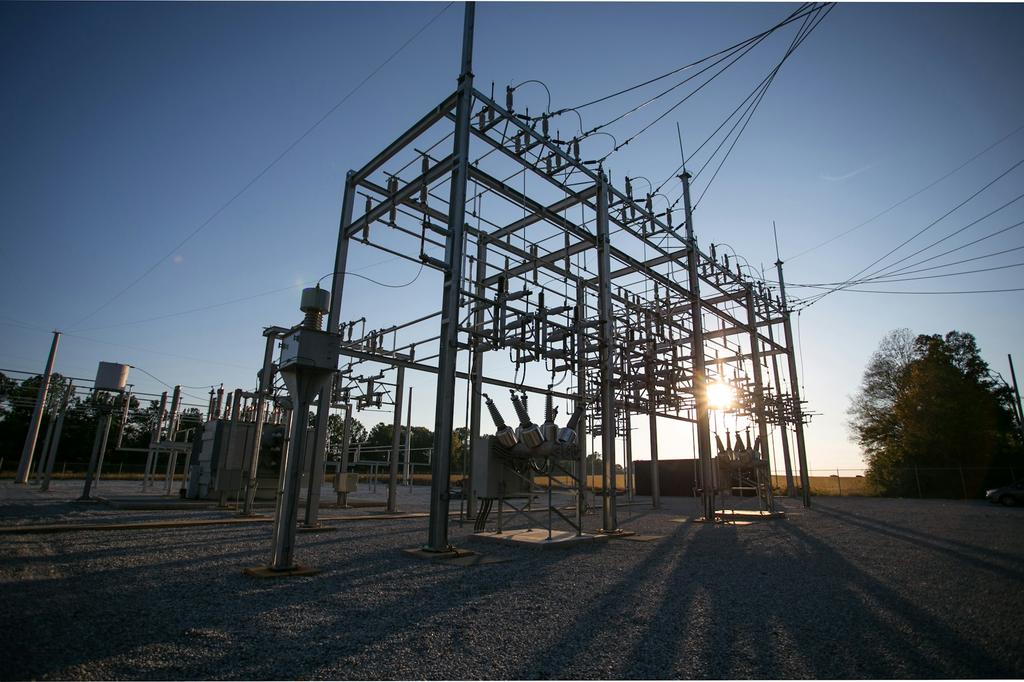
Shifting focus to energy storage, foam’s versatility extends its utility beyond structural applications to play a pivotal role in enhancing the efficiency and reliability of energy storage systems.
Incorporating foam into these systems is about harnessing its unique characteristics to solve complex challenges in the storage and management of renewable energy.
- Thermal Management: Foam’s excellent thermal insulation capabilities are critical in maintaining optimal temperatures within battery storage systems, significantly improving their lifespan and performance.
- Vibration Damping: High-resilience foam materials absorb vibrations, protecting sensitive energy storage components from damage during transportation and operation.
- Fire Suppression: Certain foam compositions are used in energy storage to mitigate fire risks, adding an essential layer of safety to these systems.
- Structural Integrity: Foam can provide structural support to energy storage units, ensuring stability and durability without significantly increasing weight.
These points underscore foam’s indispensable role in the quest for more efficient and reliable energy storage solutions. As you delve deeper into the technicalities, it becomes clear that foam isn’t just a material; it’s a critical component in the sustainable energy ecosystem, enhancing the performance and safety of storage systems.
Other Sustainable Applications of Foam
Beyond its critical role in energy storage, foam offers a myriad of sustainable applications across various industries, showcasing its versatility and environmental benefits.
You’ll find that in the construction sector, foam plays a pivotal role in enhancing energy efficiency. It’s used as insulation material within walls, roofs, and floors, significantly reducing energy consumption for heating and cooling. This not only slashes utility bills but also cuts down on greenhouse gas emissions, contributing to a healthier planet.
In the realm of packaging, biodegradable foam alternatives are revolutionizing how products are protected and transported. These eco-friendly solutions minimize waste and pollution by breaking down harmlessly in the environment, unlike traditional plastic foams that linger for centuries.
Moreover, the lightweight nature of foam is being leveraged in the transportation industry to manufacture vehicles that are both lighter and more fuel-efficient. This results in lower carbon emissions and a smaller environmental footprint, aligning with global sustainability goals.
Analyzing these applications, it’s clear that foam’s role extends far beyond energy storage. Its adaptability and environmental benefits make it a key player in the push toward more sustainable practices across a broad spectrum of industries.
Conclusion
The versatility of foam significantly bolsters the renewable energy sector. From enhancing solar panel efficiency to innovating wind turbine design and improving energy storage solutions, the foam’s lightweight and insulating properties are indispensable.
Its application across various green technologies not only demonstrates foam’s adaptability but also its critical role in driving sustainable practices forward. Embracing foam innovations is key to optimizing renewable energy systems, marking a pivotal step toward a more sustainable, energy-efficient future.


