
When it comes to embracing an eco-friendly lifestyle, every choice you make counts. From the food you eat to how you commute, each decision impacts the environment. Yet, one aspect of sustainable living often gets overlooked: your roof.
Your roof is crucial to your home’s energy efficiency and environmental footprint. Here’s why your roof matters for eco-friendly living and how investing in suitable roofing materials and designs can make a significant difference.
Protecting Home
Protecting your home goes beyond mere structural integrity – it extends to safeguarding the environment that surrounds it. Your roof plays a pivotal role in this protective function, serving as the first line of defense against the elements while also influencing the ecological impact of your household.
For protecting your home, roof installations serve as the first line of defense against the elements and environmental hazards. By choosing eco-friendly roofing options and implementing sustainable practices, you not only fortify your home against ecological threats but also contribute to the preservation of the planet for future generations.
Cool Roofs: Keeping Your Home Cool Naturally
Cool roofs are designed to reflect more sunlight and absorb less heat than traditional roofs. This simple yet effective technology can significantly reduce the amount of heat absorbed by your home, leading to lower cooling costs and less strain on the environment.
With a cool roof, you can enjoy a more comfortable indoor environment while reducing the effects of urban heat islands in your area.
Energy Savings
By reflecting sunlight away from your home, cool roofs reduce the amount of heat absorbed through your roof, thus lowering indoor temperatures. This means you’ll rely less on air conditioning during hot months, leading to significant energy savings and lower utility bills.
Over time, these savings can offset the initial investment of installing a cool roof, making it a financially savvy decision for homeowners.
Extended Roof Lifespan
The heat absorbed by traditional roofs can accelerate the degradation of roofing materials, leading to premature aging and frequent repairs. Cool roofs, on the other hand, experience less thermal stress, resulting in a longer lifespan for your roof.
By reducing temperature fluctuations, cool roofs can help preserve the integrity of your roofing materials, saving you money on maintenance and replacement costs in the long run.
Urban Heat Island Mitigation
In densely populated areas, urban heat islands can significantly impact local temperatures, air quality, and energy consumption. Cool roofs can play a crucial role in mitigating this effect by reflecting sunlight and reducing surface temperatures in urban environments.
By incorporating cool roofs into city planning and building codes, communities can combat urban heat islands and create more comfortable, sustainable living spaces for residents.
Environmental Impact
Traditional roofing materials, such as asphalt shingles, contribute to the urban heat island effect and exacerbate climate change through heat absorption and greenhouse gas emissions. Cool roofs offer a more environmentally friendly alternative by reducing energy consumption, lowering greenhouse gas emissions, and minimizing the demand for air conditioning.
By choosing a cool roof for your home, you’re not only improving your comfort and savings but also helping to protect the planet for future generations.
Green Roofs: Bringing Nature to Your Rooftop
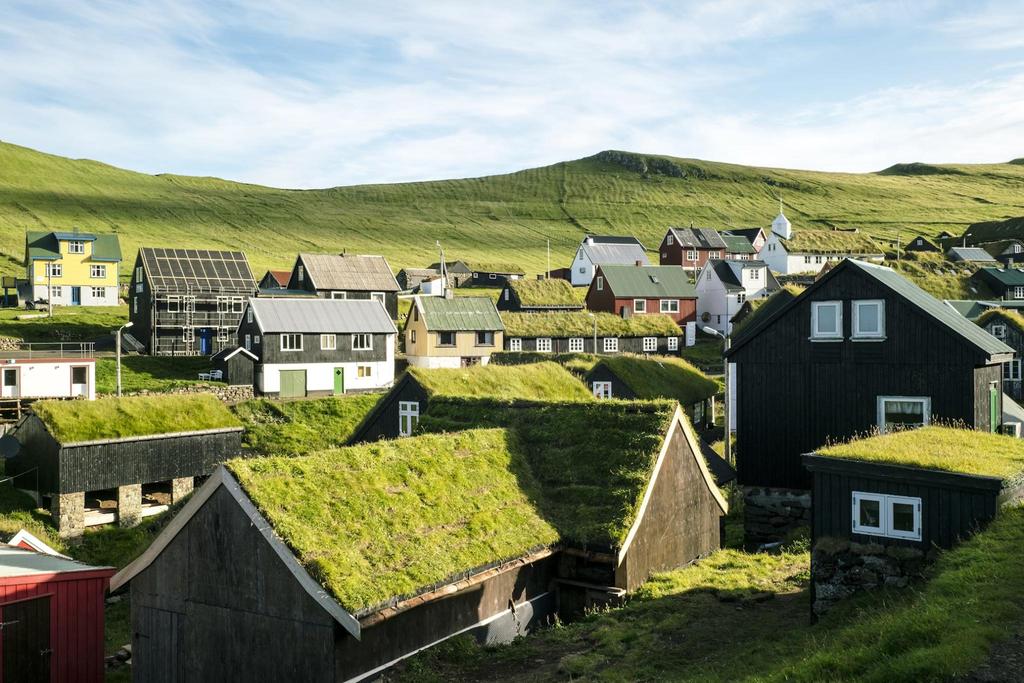
Green roofs take eco-friendliness to new heights by transforming your roof into a living ecosystem. These roofs are covered with vegetation, which not only absorbs carbon dioxide but also provides insulation, reduces stormwater runoff, and creates habitats for wildlife.
By installing a green roof, you’re not just improving your home’s energy efficiency – you’re also contributing to biodiversity and urban green spaces.
Sustainable Roofing Materials: Making Responsible Choices
The materials used in your roof can have a significant impact on its environmental footprint. Opting for sustainable roofing materials such as recycled metal, clay tiles, or wood shakes can help reduce resource depletion and minimize waste. These materials are often durable, recyclable, and energy-efficient, making them an eco-friendly choice for conscientious homeowners.
- Recycled Content: Opt for materials with high recycled content, such as recycled metal or rubber shingles. These materials help divert waste from landfills and reduce the need for virgin resources, making them a greener choice for your roof.
- Energy Efficiency: Look for roofing materials that offer excellent thermal performance and energy efficiency, such as clay tiles or cool roofs. These materials can help lower your energy bills by reducing the need for heating and cooling while also decreasing your carbon footprint.
- Longevity and Durability: Choose roofing materials known for their longevity and durability, such as slate or concrete tiles. A longer-lasting roof requires fewer replacements over time, saving resources and reducing waste in the long run.
- End-of-Life Considerations: Consider the recyclability or biodegradability of your chosen roofing materials. Opt for products that can be easily recycled or disposed of in an environmentally friendly manner at the end of their lifespan, minimizing their impact on the planet.
It is still important to consider investing in periodic roof inspections, even if you choose a material that is resistant and known for its longevity. These materials tend to be on the more expensive side of the spectrum, so the last thing you want is for unseen damages to develop into bigger issues that end in costly repairs.
Solar Panels: Harnessing Renewable Energy
While not technically part of the roof itself, solar panels are often installed on rooftops to harness the power of the sun. By generating clean, renewable energy onsite, solar panels can reduce your reliance on fossil fuels and lower your electricity bills.
Investing in solar panels benefits the environment and offers long-term savings and energy independence for your household.
Longevity and Durability: Reducing Environmental Impact
In addition to choosing sustainable materials, investing in a durable roof can also contribute to eco-friendly living. A longer-lasting roof requires fewer replacements over its lifespan, reducing the consumption of raw materials and the energy associated with manufacturing and transportation.
By prioritizing durability and quality in your roofing decisions, you’re making a sustainable choice for your home and the planet.
Stormwater Management: Mitigating Environmental Risks
Traditional roofs can contribute to stormwater runoff, leading to water pollution and erosion. However, certain roofing designs and materials can help mitigate these risks by absorbing and slowing down rainwater. Some types of roofs, in particular, excel in stormwater management, reducing runoff and filtering pollutants before they reach natural waterways.
By incorporating stormwater-friendly features into your roof, you can minimize environmental harm and protect local ecosystems.
Climate Resilience: Adapting to Changing Conditions
As climate change continues to impact weather patterns and extreme events, resilient roofing solutions become increasingly important.
Choosing a roof that can withstand high winds, heavy rainfall, and temperature fluctuations not only ensures your safety and comfort but also reduces the need for repairs and replacements in the face of environmental challenges.
Investing in a climate-resilient roof prepares your home for the realities of a changing climate while minimizing your ecological footprint.
Conclusion
Your roof isn’t just an overhead necessity – it’s a vital component of your eco-friendly lifestyle. By prioritizing energy efficiency, sustainable materials, and innovative designs, you can transform your roof into a powerful ally in the fight against climate change. Whether you opt for a cool roof, a green roof, or solar panels, every choice you make contributes to a more sustainable future for our planet.


