
Silver investments have long been seen by many as a wise addition to a portfolio of diversified investments. Investing in silver presents a dynamic and complex way to preserve and develop wealth, whether it is through portfolio diversification, hedging against inflation, or playing on industrial demand.
Here are some of the benefits when you buy silver and the reasons why you should consider this strategic investment:
1. Historical Background and Value
Like gold, silver has been prized by societies for countless years for its use in jewellery, art, and ceremonial objects, in addition to its use as money. Its durability, rarity, and the effort and materials needed to mine and refine the metal all contribute to its intrinsic value.
The attractiveness and enduring usefulness of silver as a repository of wealth are supported by its historical background. Silver retains its physical scarcity and intrinsic value throughout time, in contrast to fiat currencies, which governments can issue indefinitely and cause inflation.
2. Industrial Demand
Silver’s wide range of industrial applications makes it an attractive investment option. It is used in electronics, solar panels, batteries, and other chemical manufacturing processes. It is also the best electrical and thermal conductor of all metals.
Industries like renewable energy are seeing an increase in demand for silver. The demand for silver is anticipated to increase as the globe continues to move toward sustainable energy sources, especially in solar photovoltaic cells.
3. Inflation Hedge
Silver has long been thought of as an inflation hedge. Precious metals have a historical tendency to appreciate in tandem with a decline in fiat currencies. This trend can be partially attributed to the fact that more money is needed to purchase the same amount of silver as the purchasing power of money declines.
Furthermore, investors frequently turn to precious metals as a haven during uncertain economic times, which raises their prices even more. This feature of investing in silver provides a safeguard against the depletion of wealth brought on by inflation.
4. Portfolio Diversification
One of the main tenets of wise investing is diversification, which distributes assets among various asset types to lower risk. Silver might be quite important to this tactic.
Because of its imperfect correlation between price movements and those of equities, bonds, and real estate, silver has the potential to outperform these markets during downturns, reducing portfolio risk overall. According to experts on Unbiased.co.uk, adding silver to an investing portfolio can serve as a counterbalance to other assets and perhaps even outperform results over time.
5. Investment Types
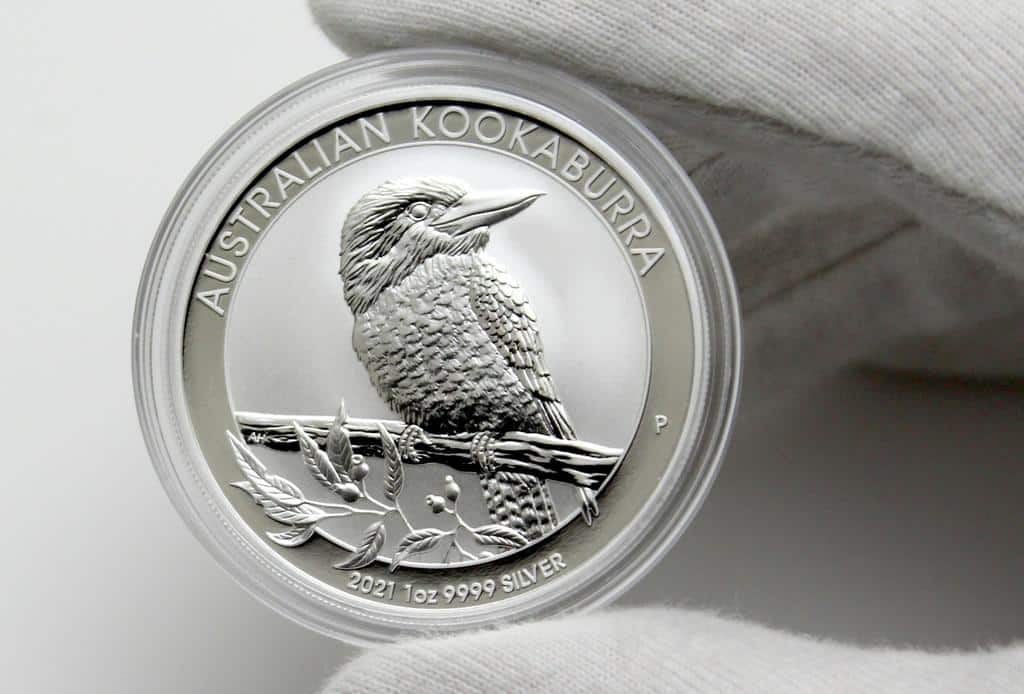
There are various ways to invest in silver, each with its own set of factors. Investors can buy silver in the form of coins or bars. This approach offers the benefit of physical assets, but it also needs to consider insurance and safe storage.
As an alternative, investors can purchase silver through futures contracts, equities of silver mining firms, or exchange-traded funds (ETFs). These financial instruments come with various risks, such as those related to market volatility and the performance of certain companies, but they also offer simpler liquidity and less direct management.
Factors to Consider When Buying Silver
Several essential considerations need to be made when considering adding silver to your investment portfolio to ensure that your investment fits in with your risk tolerance, investing plan, and financial objectives. Here is a comprehensive guide on the things to think about while purchasing silver:
1. Purpose of Investment
Establish your investment goal first. Are you seeking speculative gains based on market movements, diversification from paper assets, or an inflation hedge? The type of silver investment you select—physical silver, silver ETFs, mining stocks, or futures contracts—will be greatly influenced by your investing goals.
2. Real Silver vs. Paper Silver
It is crucial to choose between paper silver (such as ETFs, equities, and mutual funds) and genuine silver (such as coins, bars, and bullion). Physical silver presents storage, insurance, and liquidity problems but also provides real assets and direct exposure to the price of silver.
On the other side, paper silver is more accessible to trade and doesn’t need to be physically stored. Still, there may be added risks associated with how well-managed firms or funds perform.
3. Timing and Market Conditions
Timing your investment might be aided by having a thorough understanding of past pricing trends and present market conditions. Even if it’s challenging to time the market precisely, knowing the cyclical nature of commodities, the significance of economic indicators and the latest developments in geopolitics can help you make better-informed decisions.
4. Premiums and Costs
Consider the premiums over the current price of silver when buying actual silver. Depending on the kind, dimensions, and manufacturer of the silver goods, premiums might differ dramatically. Evaluate other related expenses as well, such as storage, insurance, and shipping for tangible assets or management and trading fees for investments in paper silver.
5. Safekeeping and Protection
Storage is a crucial factor to consider when purchasing actual silver. Secure storage facilities, safety deposit boxes, and personal safes are popular choices, each with pros and cons. Security measures and insurance are essential to safeguard your investment from loss or theft.
6. Accessibility
Assess the investment’s liquidity in silver. Since it needs to find a buyer and may need to be physically transported, physical silver may be less liquid than paper silver. On stock exchanges, however, shares of mining firms or silver ETFs can be bought and sold fast.
7. Authenticity and Purity
The purity, authenticity, and state of physical silver are significant factors. Silver of investment grade is usually fine. Make sure you buy from reliable sellers, and if you’re buying expensive stuff, think about getting third-party validation.
8. Tax Repercussions
Recognize the tax ramifications of silver investments. Investments in silver may have different capital gains taxes than other types of investments, and country-specific regulations may apply. For instance, certain silver coins may not be subject to capital gains tax in certain jurisdictions.
Silver Investment is as Good as Gold
Silver investments present a strong chance for diversifying their holdings and protecting themselves from market fluctuations. This element is a valuable commodity that has been used for many industrial purposes and has a rich millennium-long history.
Investing in silver presents a dynamic and complex way to preserve and develop wealth, whether it is through portfolio diversification, hedging against inflation, or playing on industrial demand.


