
As the seasons change and winter approaches, the vibrant days of summer fade into colder, darker months. This shift often coincides with a noticeable decline in mood for many individuals. There’s a scientific basis for this seasonal downturn, as it can profoundly affect mental health.
During winter, an uptick in mental health challenges is observed, particularly linked to Seasonal Affective Disorder (SAD). Institutions like the Acute Mental Health Center emphasize the significant impact SAD can have on well-being. But what makes winter a prime time for mental health issues to surface?
Reduced sunlight, colder temperatures, and increased isolation can contribute to feelings of sadness and depression. Understanding these factors can help mitigate their effects, ensuring better mental health throughout the winter months. This knowledge provides insight into why winter can leave individuals more vulnerable to poor mental health.
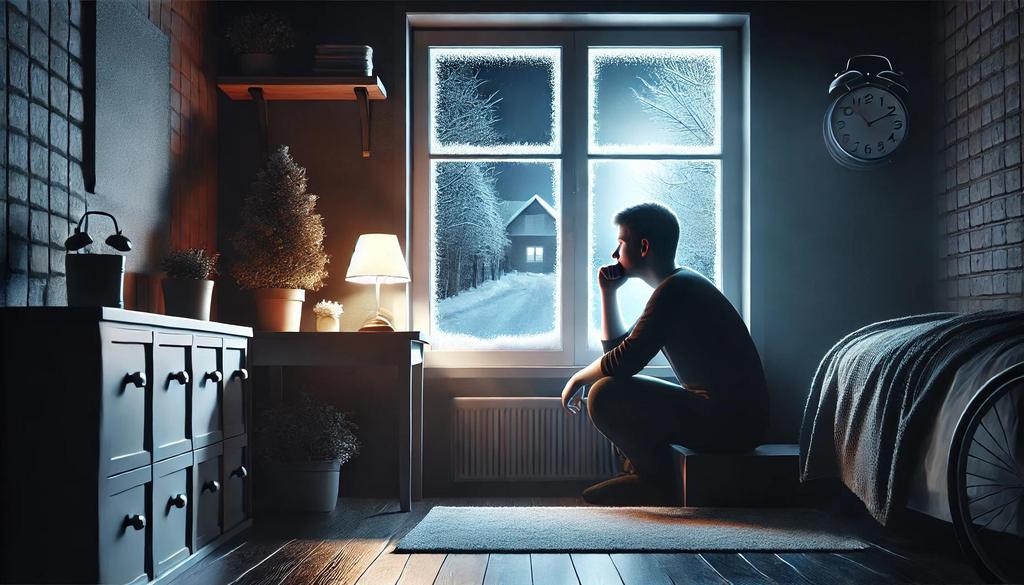
Understanding Winter’s Effect on Mental Health
The decrease in daylight during winter months significantly affects mental health. This reduction in sunlight directly correlates with Seasonal Affective Disorder (SAD), a condition linked to the disruption of the body’s internal clock and circadian rhythm. Light exposure is crucial for regulating mood and sleep patterns, which makes its absence impactful.
With diminished sunlight, the brain produces more melatonin, leading to increased fatigue and lethargy. Simultaneously, lower levels of serotonin are produced, contributing to decreased happiness and overall well-being. Consequently, individuals may experience a lowered mood, heightened risk of depression, and difficulties with concentration.
While SAD is a notable concern for mental health, many also contend with the “winter blues.” This condition, though less severe, can still create minor challenges in daily life. Understanding these effects underscores the importance of addressing seasonal mental health issues proactively.
The Psychological Toll of Cold and Isolation
The arrival of cold, dark, and damp weather exerts a considerable impact on mental health. As temperatures drop, people tend to spend more time indoors, reducing their levels of physical activity and social interaction. This pattern often leads to prolonged isolation.
- Extended periods of staying indoors can increase feelings of loneliness, especially among the elderly.
- Reduced physical activity contributes to lower endorphin levels, which are natural mood enhancers.
Consequently, individuals become more susceptible to stress and irritability. Understanding these dynamics is essential for addressing mental health challenges during the winter months.

Emotional Complexities of Winter Holidays
As winter progresses, holidays like Christmas and New Year offer moments of joy and celebration. Yet, these festive seasons are not universally cheerful. For some, these occasions accentuate feelings of isolation and loneliness, particularly for those who have lost loved ones or live far from family and friends, unable to join holiday gatherings.
While festive gatherings provide opportunities for social connection and warmth, they often come with heightened expectations.
- The quest for a “perfect” holiday experience can lead to increased stress and financial concerns.
- Unresolved financial issues may also bring to light underlying family tensions.
Recognizing these emotional complexities is crucial for managing mental health during the holiday season.
Strategies to Counteract Winter’s Mental Health Challenges
Winter poses specific challenges to mental health, but several effective strategies can help alleviate its effects.
- Light therapy, which uses bright artificial light, effectively treats Seasonal Affective Disorder (SAD) by compensating for the lack of natural sunlight.
- Engaging in regular exercise, even indoors, combats feelings of lethargy and elevates mood through the release of endorphins.
- A balanced diet, particularly rich in omega-3 fatty acids from sources like salmon and flaxseeds, supports brain function and enhances mental clarity.
- Keeping connections with friends and family, whether in-person or virtually, reduces feelings of loneliness and provides essential emotional support during colder months.
Implementing these strategies fosters resilience against winter’s mental health challenges.

Embracing Winter with Resilience and Awareness
As winter settles in, recognizing its potential impact on mental health allows us to take proactive steps toward maintaining our well-being. Understanding the influence of reduced sunlight, isolation, and the complex emotions associated with winter holidays is crucial in addressing seasonal mental health challenges. By incorporating strategies such as light therapy, regular exercise, and a balanced diet, we bolster our resilience against Seasonal Affective Disorder and the “winter blues.”
Staying socially connected, whether through digital platforms or small gatherings, helps mitigate feelings of loneliness and ensures emotional support. This conscious awareness and proactive approach empower us to embrace winter’s challenges with confidence and improved mental health. By preparing adequately, we protect our mental wellness and enhance our capacity to enjoy the unique beauty and opportunities that winter brings.
Incorporating these practices and maintaining an open dialogue about mental health during winter can make a significant difference. With knowledge and action, winter doesn’t have to be a period of struggle but rather a season where we practice resilience and self-care diligently.


