
The workplace safety landscape is rapidly evolving, with technological advancements transforming how industries protect their workers. Modern fall protection systems have become increasingly sophisticated, incorporating smart technologies that provide real-time monitoring and enhanced worker protection. Workplace safety innovations are reshaping safety protocols across construction, energy, manufacturing, and other high-risk industrial sectors.
Integrating Internet of Things (IoT) sensors with traditional safety harness equipment has revolutionized how companies monitor and respond to potential safety risks. These smart systems can detect falls, track equipment usage, and alert supervisors to potential hazards before accidents occur.
Recent studies by the National Safety Council indicate companies with advanced safety technologies reduce workplace incidents. This improvement stems from traditional safety measures combined with cutting-edge innovation. The adoption of smart technology, including advanced self-retracting lifeline (SRL) devices, has particularly improved outcomes in high-risk environments.

The Rise of AI in Safety Management
Artificial intelligence (AI) has transformed workplace safety through sophisticated monitoring and prediction systems. AI-driven risk assessment tools now process vast amounts of data to identify patterns and predict potential hazards before they materialize.
Key AI Applications in Safety
AI is rapidly becoming a cornerstone of workplace safety, offering predictive insights and real-time monitoring that significantly reduce risks. By leveraging AI-powered systems, organizations can proactively address potential hazards, enhance worker protection, and optimize safety protocols.
Predictive Analysis Systems:
- Equipment failure prediction: AI-powered sensors continuously monitor machinery, detecting signs of wear and tear before failure occurs.
- Worker behavior pattern recognition: AI algorithms analyze movement and behavior, identifying unsafe practices and suggesting corrective measures.
- Environmental risk assessment: Advanced AI models assess workplace conditions, flagging potential hazards like toxic gas leaks or structural instability.
- Accident probability calculation: AI aggregates historical safety data to forecast accident likelihoods, allowing for preemptive interventions.
Real-time Monitoring:
- Automated hazard detection: AI-powered cameras and sensors detect workplace dangers, such as fire outbreaks, chemical spills, or unsafe behaviors.
- Worker movement tracking: Wearable AI devices track employee locations and send alerts if workers enter restricted or hazardous zones.
- Equipment performance analysis: Smart sensors measure real-time performance data, preventing accidents due to equipment malfunction.
- Environmental condition monitoring: AI-integrated sensors measure air quality, noise levels, and temperature fluctuations to prevent worker exposure to harmful conditions.

Smart Personal Protective Equipment Evolution
The evolution of smart personal protective equipment (PPE) marks a significant advancement in worker protection. Modern safety equipment now incorporates advanced sensors and communication capabilities, enabling real-time monitoring and immediate response to potential hazards.
Enhanced Features and Capabilities
Integrated Monitoring Systems:
- Biometric tracking: Smart PPE monitors worker vitals such as heart rate, hydration levels, and fatigue to prevent health-related incidents.
- Environmental sensors: Integrated air quality and gas detection sensors alert workers to hazardous conditions in real time.
- Position monitoring: GPS-enabled PPE ensures workers remain within designated safe zones.
- Impact detection: Smart helmets and vests detect sudden impacts and automatically notify emergency response teams.
Communication Features:
- Real-time alert systems: Wearable technology sends automated alerts when danger is detected, ensuring immediate action.
- Two-way communication: Smart PPE integrates communication tools for seamless interaction between workers and supervisors.
- Emergency response integration: Instant alerts trigger emergency response protocols, reducing reaction time in urgent situations.
- Location tracking: GPS-enabled PPE assists in locating workers quickly during emergencies.

Digital Transformation in Safety Training
Virtual Reality Applications
Virtual reality (VR) has revolutionized safety training by creating immersive, risk-free learning environments. Workers can now experience and respond to dangerous scenarios without physical danger.
Key Training Components
- Height work scenarios: VR simulates high-altitude work environments, helping workers develop confidence and safety awareness.
- Emergency response training: Simulated fire drills, chemical spills, and rescue operations prepare workers for real-life emergencies.
- Equipment operation practice: Workers virtually train on complex machinery, reducing the risk of on-the-job errors.
- Hazard recognition exercises: VR enhances worker awareness by presenting lifelike hazardous situations and requiring appropriate responses.
Augmented Reality Integration
Augmented reality (AR) provides real-time safety information and guidance in the field, enhancing worker awareness and decision-making capabilities.
Practical Applications
- On-site safety support: AR overlays essential safety information onto the real-world environment.
- Equipment inspection guides: AR displays step-by-step inspection protocols for machinery and tools.
- Hazard visualization: AR highlights potential hazards in real-time, alerting workers to dangers they might otherwise overlook.
- Procedural assistance: Step-by-step AR instructions confirm workers follow best practices for safety procedures.
- Emergency route mapping: AR provides real-time navigation to emergency exits and safe zones.
Connected Worksite Technologies
Connected technologies have revolutionized workplace safety in high-risk industries. Smart worksites now employ sophisticated networks of sensors and tracking systems to improve hazard detection, streamline safety protocols, and enhance overall operational efficiency.
Smart Environment Implementation
Modern worksites utilize interconnected systems that create robust safety networks, enabling real-time monitoring and immediate response to potential hazards.
System Components
- Monitoring Infrastructure: Environmental sensors, equipment trackers, worker positioning systems, and emergency response beacons offer increased worker protection.
- Data Management Systems: Real-time analytics, predictive modeling, performance tracking, and compliance monitoring enhance workplace safety management.

Future Safety Innovations
As technology advances, the next wave of safety innovations promises even greater worker protection. From smart materials to autonomous systems, emerging technologies aim to minimize risks, enhance workplace efficiency, and redefine safety standards across high-risk industries.
Emerging Technologies
The next generation of safety technology promises even greater protection through advanced materials and autonomous systems.
Key Developments
- Advanced Materials: Innovations such as smart fabrics, responsive polymers, enhanced durability materials, and adaptive protection systems improve worker safety.
- Autonomous Systems: Inspection drones, robotic assistants, automated maintenance, and AI-driven monitoring systems reduce human exposure to hazardous environments.
Implementation Strategies
The successful adoption of new safety technologies depends on strategic implementation. To make sure these innovations work best and integrate smoothly, organizations need to deal with a number of issues, such as allocating resources, making sure infrastructures are compatible, and training workers.
Overcoming Adoption Challenges
- Resource Planning: Companies must evaluate initial investment costs, training requirements, maintenance needs, and integration timelines.
- Technical Requirements: Infrastructure upgrades, compatibility assessments, security protocols, and data management systems must be considered.
Best Practices for Innovation Integration
- Training Programs: Detailed instruction, hands-on practice, regular assessment, and ongoing support lay the foundation for smooth adoption.
- Performance Monitoring: Regular evaluations, feedback systems, adjustment protocols, and success metrics help refine implementation.

Industry Impact and Standards
The rapid evolution of safety technologies has prompted significant changes in industry regulations and compliance requirements. Companies must stay ahead of these developments by continuously updating safety protocols and ensuring alignment with the latest regulatory standards.
Regulatory Evolution
Safety innovations influence industry standards and regulations, requiring organizations to adapt their compliance strategies.
Areas of Change
- Standard Updates: Technology requirements, performance metrics, testing protocols, and documentation needs evolve alongside safety advancements.
- Certification Changes: New competency requirements, updated testing methods, additional training needs, and modified compliance procedures require industries to keep up with technological developments.
As safety technology evolves, organizations must stay informed about innovations and their potential applications. Successful implementation of these technologies requires careful planning, detailed training, and ongoing evaluation to guarantee maximum effectiveness in protecting workers across high-risk industries.
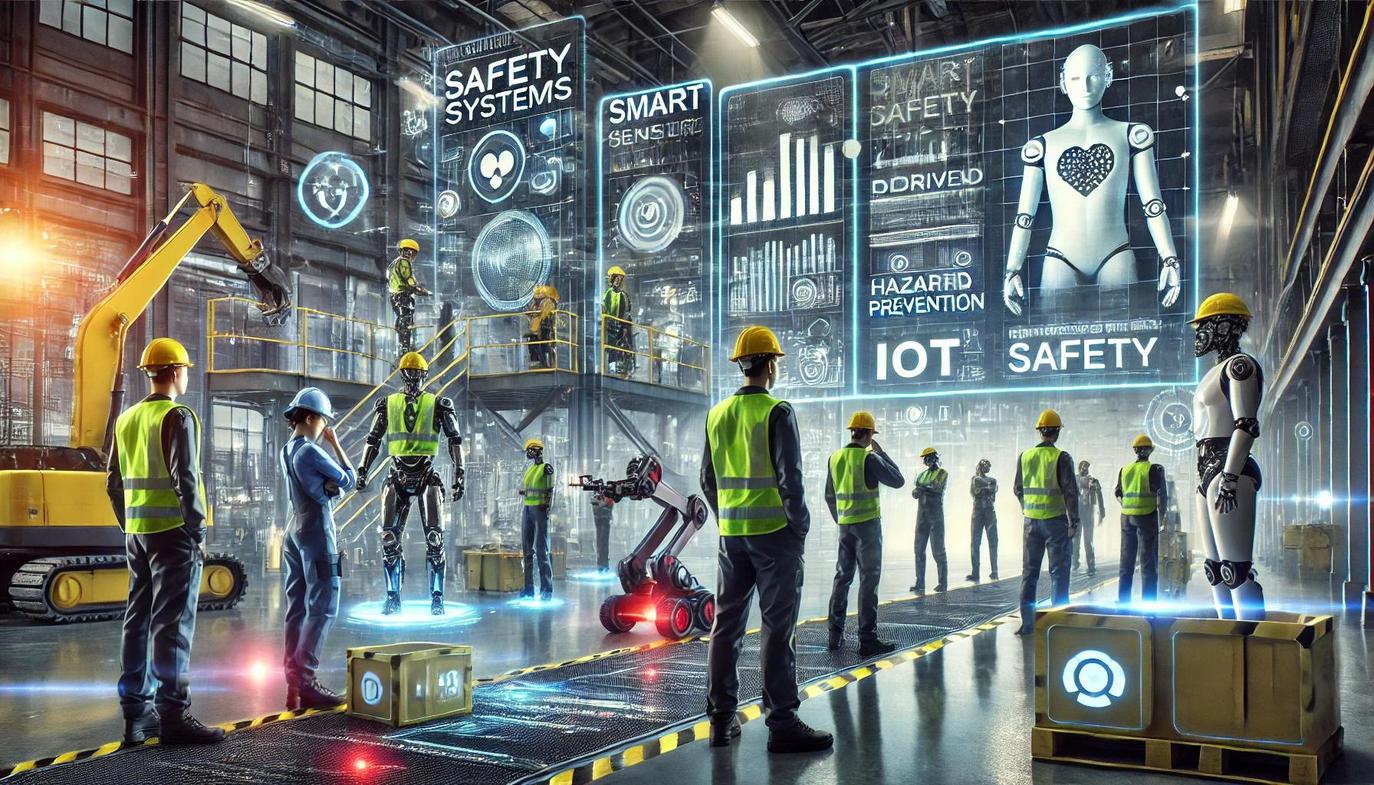
Safety Innovations in High-Risk Industries
Recognizing the crucial role of technology in creating safer environments across high-risk industries is crucial as we approach remarkable advancements in workplace safety. The integration of cutting-edge tools, from advanced AI systems to smart wearable devices, is reshaping the way we think about and approach workplace safety.
Imagine a future where real-time data allows safety managers to monitor conditions instantly, pinpointing hazards before they escalate. Picture workers donning smart PPE that not only protects them but also communicates potential dangers. This vision is rapidly becoming a reality, thanks to the innovative solutions emerging from the intersection of technology and safety.
Technology Reduces Risks and Enhances Compliance in High-Risk Industries
By embracing these safety innovations, organizations not only enhance their compliance with regulatory standards but also foster a culture of proactive risk management. Companies that implement advanced technologies witness a significant reduction in workplace incidents, leading to fewer injuries, lower insurance costs, and improved employee morale.
However, the journey toward a safer workplace is not without its challenges. Companies must navigate the complexities of training, resource allocation, and ensuring that their infrastructures can support these new systems. But the potential benefits far outweigh these hurdles. Investing in these groundbreaking technologies will yield numerous benefits as we continue to prioritize safety.
Workplace Safety Adapts to Emerging Tech Trends for Optimal Risk Management
Looking ahead, the conversation around workplace safety must remain dynamic. New technologies, materials, and methods are constantly developing, and it is important for industry leaders to stay informed and adaptable.
How can your organization take the first step toward these advancements? What strategies will you employ to ensure a safer work environment for your team? As we venture into this exciting landscape, the possibilities for improving workplace safety are limitless.


